Home Blog

Garden Rescue: Transforming Your Outdoor Space with Smart Planning

0

When it comes to maintaining a flourishing garden, few challenges are as persistent and unpredictable as managing the impact of chickens on delicate borders. “Garden rescue” is not just a catchy phrase—it represents the careful, strategic process of reclaiming your outdoor space and restoring balance between flora and fauna. This is especially true for those following garden rescue season 10, where innovative solutions for garden restoration are demonstrated for both amateur and experienced gardeners. In this article, we’ll explore a comprehensive approach to tackling garden chaos, from relocating chicken coops to reshaping garden borders, and show you exactly how a well-planned strategy can turn a chaotic outdoor area into a thriving sanctuary.

The charm of a garden lies in its vibrancy and diversity, but it can quickly vanish when chickens are introduced. Their natural behaviors—scratching, pecking, and dust bathing—can decimate newly planted flowers and disturb carefully cultivated soil. Witnessing a garden destroyed overnight is disheartening, but with the right planning, recovery is not only possible but rewarding. By the end of this guide, you will be equipped with practical strategies, backed by experience, to achieve impressive garden rescue before and after results.

Assessing the Impact: Understanding Chicken Damage

Chickens are entertaining and beneficial in many ways, but they can transform a pristine garden into a bare, dusty plot faster than you anticipate. The first step in any garden rescue project is a thorough assessment of the damage.

Observing Chicken Behavior

Spend time monitoring your flock. Chickens tend to scratch in consistent patterns, often focusing on soft soil and tender shoots. Documenting these paths is crucial. Not only does it inform where fences should be placed, but it also helps anticipate future damage. From experience, even a small group of bantams can completely strip a flower border in a matter of weeks if left unchecked.

Documenting Destruction

Before making any changes, capture the current state of your garden. Photos or videos provide a baseline for measuring improvement and can be particularly useful if you are following tips from garden rescue season 10. Seeing the “before” image emphasizes the transformation that is possible with proper planning and effort.

Clearing Temporary Obstacles

Once the damage is assessed, prepare the site for intervention. Remove bricks, rocks, and debris that may obstruct construction or planting. Uneven surfaces not only make gardening difficult but can also create hiding spots for pests. A clean, leveled area ensures that any new structures, like a relocated chicken coop, sit firmly and last longer.

Managing Invasive Weeds

Nettles and other aggressive weeds are common along garden borders, especially near fences or water channels. Attempting to remove these without proper preparation can be dangerous. Focus on easily accessible clusters first, using gloves and clippers to trim them safely. For larger or riskier patches, seek assistance. Mapping these zones on a garden plan ensures that future plantings are protected and the weeds do not spread into newly rescued areas.

Relocating the Chicken Coop for Optimal Space

A key component of garden rescue is redefining space for both plants and poultry. Moving the chicken coop to a permanent, strategic location can prevent further destruction while improving the welfare of your flock.

Choosing the Right Spot

Select a location that provides a balance of sunlight and shade. Chickens need warmth in the morning and cool shelter during the afternoon. In my experience, placing the coop along a back fence line works well—it creates a clear boundary between the garden beds and the birds’ roaming area. Ensure the ground is leveled and, if possible, cement the base to enhance durability.

Safe Relocation

Relocating a coop is a team effort. Heavy lifting requires at least one strong helper to avoid injury. Slide the structure carefully onto the prepared site, checking that it is level and stable. The new position should allow chickens to access their dust bath and roaming area without interfering with flower or vegetable beds.

Creating Defined Zones

Zoning is essential for maintaining harmony between your plants and poultry. Designate a specific area for the chickens to roam and dig, separate from the flower borders. Incorporate a dust bath with a mix of sand and soil to meet the chickens’ natural grooming needs. Providing cover and shade, such as a trellis or small shelter, ensures the birds can enjoy the outdoors safely.

Managing Flock Dynamics

Transitioning chickens to a new coop requires understanding their social hierarchy. Larger hens can bully smaller ones, causing stress and chaos in the garden.

Observing and Dividing

Allow chickens to roam in shifts or separate runs to minimize conflicts. Watch how they interact and adjust zones accordingly. Even three bantams can cause significant damage if the fencing is inadequate. Testing the layout before full release is a practical way to ensure both plants and chickens remain protected.

Maintaining Peace

Secure fences and boundaries, particularly along high-traffic paths or near water. A mix of low wire barriers and physical reinforcements, like bricks or mesh, prevents escapes while keeping the birds safe. Regular monitoring ensures that the flock adapts to the new environment without reverting to destructive behaviors.

Soil Remediation: Turning Chicken Waste into Gold

Chickens provide a hidden benefit to any garden—fertile soil. However, to fully capitalize on this, proper handling is essential.

Sifting and Reusing Soil

Chicken droppings enrich soil, but care is needed to avoid spreading weeds or pests. Use a sieve or screen to sift soil collected from previously damaged areas. Removing roots and debris ensures the resulting soil is safe for planting in new beds. I have found that this process not only improves soil texture but also provides a cost-effective source of fertilizer.

Salvaging Existing Plants

Rescuing plants before they succumb to damage is a vital step. For instance, hostas can be divided and repotted, while overlooked seedlings like Sweet William can be relocated to safe zones. Transplanting immediately into fresh soil and providing adequate shade allows these plants to recover and thrive.

Securing Garden Edges

Future-proofing the garden against chicken encroachment is essential. Stack bricks or install low walls along vulnerable borders. Incorporate fencing that is both sturdy and removable for easy maintenance. This approach reduces repeated damage and saves time on continuous repairs.

Redefining Garden Borders: Integrating Perennials and Edibles

Transforming the long garden border is one of the most rewarding aspects of a garden rescue. By blending flowers with edibles, you create a space that is both beautiful and productive.

Creating a Kitchen Garden

Shift some perennial flower beds to accommodate herbs and vegetables. Carrots, beans, and herbs can be interspersed among blooms, creating a symbiotic environment where flowers deter pests from your food crops. Strategic placement of plants based on sunlight requirements maximizes both aesthetics and yield.

Protecting New Plantings

Chickens are naturally curious, so protecting new beds is crucial. Use low wire fences or brick edging to deter early digging. Test the layout with a few plants before expanding the garden, ensuring the borders are safe and plants establish quickly.

Maintaining Boundary Integrity

Fence maintenance is not just about protection—it also prevents neighbor disputes and keeps your garden secure. Reinforce weak points, check for gaps after storms, and trim vegetation along edges. These small measures prevent escapes and preserve the garden’s integrity.

Project Tidy Up: A Foundation for Seasonal Growth

A well-planned tidy up, as demonstrated in garden rescue season 10, lays the groundwork for ongoing success. From moving coops and zoning spaces to sifting enriched soil and planting mixed borders, each step contributes to a sustainable garden ecosystem. By thoughtfully combining flowers and vegetables, protecting borders, and managing the flock, you set the stage for a vibrant garden year-round.

The satisfaction of seeing a previously chaotic garden transformed into a well-ordered, thriving space is unmatched. Each stage—from soil preparation to planting—is an opportunity to blend creativity with practicality, achieving both beauty and functionality.

Pros and Cons of Garden Rescue Strategies

ProsCons
Efficient use of space for both plants and chickensInitial setup requires significant time and labor
Cost-effective soil enrichment using chicken wasteRequires ongoing monitoring of flock behavior
Protection of delicate plants from damagePotential neighbor conflicts if boundaries are not secure
Opportunity to mix flowers and edibles for a productive gardenSeasonal adjustments may be necessary for extreme weather
Long-term sustainability with strategic zoningFencing and coop relocation may require investment

Frequently Asked Questions (FAQs)

Q1: How often should I relocate my chicken coop?
A1: Permanent relocation is ideal, but minor adjustments can be made seasonally to balance sun exposure and protect sensitive plants.

Q2: Can chickens and flowers coexist in the same garden?
A2: Yes, with careful zoning and fencing, chickens can coexist without damaging flowers, as demonstrated in garden rescue projects.

Q3: How do I prevent invasive weeds from spreading after garden rescue?
A3: Remove surface roots, use gloves for manual trimming, and bag waste. For tough patches, seek help or use physical barriers.

Q4: What is the best soil mix for chicken dust baths?
A4: A blend of sand and loose garden soil works well. Ensure the area is dry, shaded, and protected from waterlogging.

Q5: How do I protect small or young chickens during the garden transition?
A5: Separate runs, stagger free-range periods, and observe flock dynamics. Adjust fencing to prevent bullying and escapes.

Conclusion

A successful garden rescue is a combination of observation, planning, and execution. By assessing damage, relocating the chicken coop, managing flock behavior, enriching soil, and redefining borders, you can achieve remarkable garden rescue before and after results. Integrating flowers and edibles maximizes both beauty and productivity, while careful zoning and boundary management ensure harmony between plants and poultry. Whether inspired by garden rescue season 10 or starting your first tidy-up project, the steps outlined here provide a structured approach to reclaiming and rejuvenating any garden space.

Transforming a garden is not just about plants; it’s about creating a balance between life, beauty, and practicality. Start small, plan strategically, and watch your garden evolve into a space that is both vibrant and resilient.


Great Garden Plants: The Ultimate Guide to Building a Beautiful and Functional Garden

0

Gardening is a timeless hobby that allows individuals to connect with nature, enjoy tranquility, and even create a haven of beauty right in their own backyard. Whether you are an experienced gardener or just beginning to explore this fulfilling activity, choosing the right plants can make all the difference. The variety of great garden plants available today ensures that you can find the perfect options to fit your space, climate, and personal aesthetic. In this guide, we’ll explore a variety of plant options, design strategies, and garden essentials that will help you transform your outdoor space into a beautiful, thriving environment.

The Importance of Selecting the Right Plants for Your Garden

When it comes to creating a garden that not only looks stunning but also thrives, plant selection is key. The foundation of a beautiful garden begins with understanding the environmental factors at play—such as climate, soil conditions, and sunlight. Choosing the right plants for your garden involves considering the needs of each plant species and ensuring they align with the growing conditions of your area.

There are many great garden plants to choose from, ranging from colorful flowers to leafy shrubs, climbing vines, and even trees. When selecting plants, it’s important to keep in mind your garden’s purpose. Are you looking for aesthetic appeal, privacy, or perhaps an edible garden? For instance, if you’re designing a tranquil retreat, incorporating flowering plants like roses, lavender, or peonies can add a touch of serenity and color. On the other hand, if you’re focusing on functional plants, edible species such as tomatoes, herbs, or leafy greens could be great choices.

Designing a Garden with Great Garden Plants

Now that you understand the importance of selecting the right plants, it’s time to consider garden design. How you arrange your plants will have a significant impact on the overall look and feel of your garden. A well-planned garden layout ensures that your plants receive adequate sunlight and air circulation while also making your garden space visually appealing.

For an elegant touch, consider creating focal points with larger plants like trees or tall shrubs. This can help structure the garden, making it feel more organized and purposeful. Surrounding these focal points with smaller plants, such as perennials or ornamental grasses, can create layers and textures that add depth to the design. Additionally, mixing different types of plants—such as flowering, leafy, and evergreens—can provide year-round beauty and interest.

Incorporating pathways and seating areas into your garden design can also enhance its functionality. If you plan to spend a lot of time in your garden, adding a garden bench or creating a cozy sitting area will allow you to fully appreciate your outdoor space. Be sure to complement the seating with a stylish garden umbrella from Amazon, which can provide much-needed shade during the warmer months.

Exploring the Dallas Arboretum and Botanical Garden

If you’re seeking inspiration for your garden design, there’s no better place to visit than the Dallas Arboretum and Botanical Garden. Located in the heart of Texas, the Dallas Arboretum is a lush, expansive botanical garden that showcases a wide variety of plant species in beautifully curated landscapes. From manicured flower beds to serene water features, the garden offers endless design ideas for garden enthusiasts.

One of the highlights of the Dallas Botanical Garden is its seasonal displays, which change throughout the year. Whether you’re visiting during the spring when vibrant flowers bloom or in the fall when colorful foliage takes center stage, the garden’s ever-changing beauty offers fresh inspiration for garden planning.

Walking through the Dallas Arboretum is an immersive experience that allows you to connect with nature while gaining insight into different types of plants and how they interact with their environment. Many of the plants displayed are well-suited for Texas climates, making them great options for homeowners in the region looking to create their own piece of paradise.

Gardening Tips for Beginners: Start Simple, Grow Strong

For those new to gardening, starting with simple plants can help you gain confidence and understanding of the process. A successful garden doesn’t require an extensive range of rare or expensive plants. Instead, focusing on easy-to-care-for varieties will allow you to learn the basics and grow your gardening skills over time.

Consider starting with great garden plants that are known for their resilience. Plants like sunflowers, marigolds, and zinnias are not only colorful but also hard to kill. These plants thrive in a variety of conditions and are perfect for new gardeners who want to experience the joy of seeing their efforts come to life. As you become more experienced, you can gradually introduce more complex plant species that require specific care.

For beginners in urban settings, visiting local botanical gardens like the botanical garden Dallas or the Dallas Arboretum and Botanical Garden can be invaluable. These places offer educational resources and gardening classes where you can learn about soil health, plant care, and sustainable gardening practices.

Creating a Sustainable Garden with Great Garden Plants

In today’s world, sustainability is at the forefront of many gardening decisions. Creating a garden that is both beautiful and eco-friendly is not only better for the environment but can also lead to lower maintenance costs. The right choice of great garden plants can help you conserve water, support local wildlife, and reduce the need for harmful chemicals.

For example, drought-resistant plants are excellent choices for sustainable gardens. Native plants, such as Texas Bluebonnets or Black-eyed Susans, are well-suited for local climates and require less water and care. Additionally, by planting a variety of species that attract pollinators like bees and butterflies, you can help support the local ecosystem and promote biodiversity.

If you’re looking for inspiration, visiting the Dallas Arboretum and Botanical Garden provides a first-hand look at how sustainable gardening practices can be incorporated into a large-scale garden design. From rainwater harvesting systems to native plant beds, the Arboretum shows how sustainability and beauty can go hand in hand.

Incorporating Modern Features into Your Garden Design

As technology continues to advance, modern features are becoming increasingly popular in garden design. Smart gardening tools and systems, such as automated irrigation or weather-responsive garden lighting, can make maintaining your garden more convenient while also ensuring optimal plant health.

A garden umbrella from Amazon is a great example of modern garden furniture that combines form and function. It provides shade during hot weather and can also be a stylish addition to your garden’s aesthetic. If you have a patio or outdoor seating area, investing in a high-quality umbrella is an easy way to upgrade your space while ensuring comfort for family and friends.

The Role of Garden Structures in Enhancing Your Garden Design

Garden structures such as trellises, arbors, and pergolas play an essential role in enhancing the aesthetic appeal and functionality of a garden. These structures not only provide vertical interest but also support climbing plants like vines and roses. A carefully placed structure can transform an ordinary garden into a whimsical retreat.

Additionally, using garden structures to create different zones within your garden can increase the sense of space. For example, an arbor leading into a flower garden can create a sense of anticipation, drawing visitors into a beautiful and intimate corner of the garden.

Creating a Beautiful Garden for Every Season

One of the most rewarding aspects of gardening is the ability to enjoy your plants year-round. By selecting a mix of great garden plants, you can ensure that your garden remains beautiful regardless of the season. For instance, early bloomers like tulips and daffodils provide vibrant color in the spring, while perennials like echinacea and daylilies offer blooms that return year after year.

Incorporating evergreen shrubs and trees can also ensure that your garden maintains its structure and beauty during the colder months. As the seasons change, you can also switch out annual plants to reflect the colors and moods of the time of year, keeping your garden fresh and inviting.

Wrapping Up: Your Dream Garden Awaits

Creating a garden filled with great garden plants is an ongoing journey that combines planning, patience, and creativity. Whether you’re looking for a peaceful retreat, an edible garden, or a space to entertain, the right selection of plants, along with thoughtful design, can transform your outdoor space into a beautiful sanctuary.

Whether you’re gathering ideas from places like the Dallas Botanical Garden, adding new features like a garden umbrella from Amazon, or learning from expert gardeners at local botanical gardens, the possibilities are endless. By taking the time to design a garden that meets both your aesthetic and practical needs, you can cultivate a space that brings joy, beauty, and harmony into your life.

Luxury Outdoor Furniture: Elevating Your Outdoor Spaces with High-End Style

0

Outdoor spaces have become more than just areas for relaxation and entertainment; they have transformed into extensions of our homes, offering a space for comfort and luxury. One of the most significant factors contributing to the transformation of outdoor areas is the selection of furniture. When it comes to creating a high-end, stylish, and functional outdoor space, luxury outdoor furniture USA sets the standard. From high-end patio furniture USA to premium outdoor furniture sets, the right choice of pieces can elevate the look and feel of your garden or patio.

In this article, we explore the best luxury garden furniture for modern homes, how to choose the perfect pieces, and why investing in luxury outdoor furniture is worth every penny. With personal experiences and insights, we’ll help guide you toward making an informed decision when selecting outdoor furniture that fits your style and needs.

The Rise of Luxury Outdoor Furniture in the USA

In recent years, the demand for luxury outdoor furniture USA has increased dramatically. Homeowners now prioritize creating seamless connections between their indoor and outdoor spaces. As a result, investing in high-end furniture designed for outdoor environments has become essential for anyone looking to design a sophisticated, comfortable, and functional outdoor space.

Luxury outdoor furniture blends aesthetics with durability, ensuring that your investment not only enhances the beauty of your outdoor space but also withstands the elements. Whether you’re outfitting a sprawling backyard, a cozy balcony, or a stylish rooftop terrace, there are plenty of premium outdoor furniture sets to choose from.

Why Choose Luxury Outdoor Furniture?

Investing in luxury outdoor furniture USA is an investment in both comfort and style. These high-end pieces offer several advantages over regular outdoor furniture, including:

  • Durability and Longevity: Luxury outdoor furniture is crafted from high-quality materials such as teak, aluminum, stainless steel, and weather-resistant fabrics. These materials ensure that your furniture will stand the test of time, even in harsh weather conditions.
  • Superior Comfort: High-end patio furniture USA often includes ergonomic designs, thick cushions, and comfortable seating arrangements. With luxurious fabrics like Sunbrella, these sets offer comfort while withstanding the elements.
  • Aesthetic Appeal: Luxury outdoor furniture is available in a variety of styles, from sleek modern designs to classic pieces that evoke timeless elegance. These furniture sets elevate the aesthetic of any outdoor space, making it a perfect place for hosting gatherings, relaxation, or simply enjoying the beauty of your surroundings.
  • Customization: Many high-end furniture brands offer bespoke options, allowing you to tailor your furniture sets to your unique style. From choosing cushion colors to selecting specific materials and finishes, customization ensures that your outdoor furniture reflects your personality and enhances your outdoor space.

Popular Trends in Luxury Outdoor Furniture USA

The landscape of luxury garden furniture for modern homes is continuously evolving, with new trends emerging every year. Some of the most popular trends include:

  1. Modular Outdoor Furniture: Modular furniture is becoming increasingly popular due to its flexibility and versatility. Modular seating arrangements allow homeowners to customize their layouts, ensuring that their furniture fits their space perfectly.
  2. Sustainable Materials: As environmental awareness grows, many luxury furniture brands are embracing sustainability. Recycled materials, eco-friendly finishes, and responsibly sourced wood are increasingly being used to create beautiful and sustainable furniture options.
  3. Smart Outdoor Furniture: Technology is making its way into outdoor furniture as well. Some high-end outdoor furniture now features built-in speakers, wireless charging ports, and integrated LED lighting, providing added functionality and convenience.
  4. Minimalistic Designs: Simple, clean lines, and minimalistic designs are trending, especially for modern homes. These pieces often feature neutral colors, geometric shapes, and a sleek aesthetic, perfect for contemporary outdoor spaces.

How to Choose the Right Luxury Outdoor Furniture

Selecting the right high-end patio furniture USA for your outdoor space requires careful consideration. Here are some tips for choosing the best pieces for your home:

1. Consider the Climate

The climate in your area plays a significant role in determining the type of furniture that will perform best in your outdoor space. If you live in a coastal area, furniture made from corrosion-resistant materials such as aluminum or stainless steel is ideal. For areas with harsh winters, look for weather-resistant fabrics and materials like teak, which can withstand freezing temperatures.

2. Match Your Style

Your outdoor furniture should complement the overall aesthetic of your home. If your home has a modern design, consider sleek, contemporary outdoor furniture. For a more traditional home, classic wooden furniture sets with intricate carvings may be a better fit. Ultimately, the furniture should feel like a natural extension of your indoor decor.

3. Comfort and Functionality

Make sure that comfort is a priority. After all, outdoor furniture is meant to provide a space for relaxation and enjoyment. Look for cushioned seats, ergonomic designs, and soft, durable fabrics that will make your outdoor space inviting and comfortable.

4. Space Planning

Before purchasing furniture, assess the size of your outdoor space. For smaller balconies or patios, opt for compact, modular furniture sets that offer flexibility. Larger backyards can accommodate spacious dining tables, lounges, and more extensive seating arrangements.

Pros and Cons of Luxury Outdoor Furniture USA

ProsCons
Durable and Long-lasting: Built to withstand the elements.High Cost: The price point is higher than standard outdoor furniture.
Superior Comfort: Cushions and ergonomic designs for maximum relaxation.Requires Maintenance: Some materials need regular care and cleaning to preserve their appearance.
Aesthetic Appeal: Enhances the overall look of your outdoor space.Heavy: Some high-end pieces can be difficult to move.
Customization Options: Tailored to your specific style and needs.Limited Availability: Luxury outdoor furniture may be harder to find in some areas.

Conclusion

When it comes to outdoor furniture, luxury outdoor furniture USA sets the bar for comfort, style, and durability. Whether you are enhancing your patio with a high-end patio furniture USA set or opting for a premium outdoor furniture set to elevate your garden, luxury furniture transforms any outdoor space into a stunning retreat. By choosing high-quality, durable, and stylish pieces, you can create an outdoor area that is both functional and aesthetically pleasing.

Investing in luxury garden furniture for modern homes is an investment in quality, longevity, and style. It ensures that your outdoor space remains a relaxing haven for years to come, offering comfort, sophistication, and a sense of pride.

FAQs

Q1: How do I maintain luxury outdoor furniture?
A1: To maintain luxury outdoor furniture, regularly clean the furniture with appropriate cleaners, cover it during harsh weather, and apply protective coatings if necessary to preserve the material.

Q2: Is luxury outdoor furniture worth the investment?
A2: Yes, luxury outdoor furniture is worth the investment due to its durability, comfort, aesthetic appeal, and long-lasting value.

Q3: What are the best materials for high-end patio furniture USA?
A3: The best materials include teak, aluminum, stainless steel, and weather-resistant fabrics such as Sunbrella.

Q4: How do I choose the right size of furniture for my outdoor space?
A4: Consider the dimensions of your space, the number of people who will use the furniture, and how much room you want to allocate for walking paths and other features.

Q5: Can I customize my luxury outdoor furniture?
A5: Yes, many brands offer customization options where you can choose materials, colors, and finishes to match your personal style.

Evergreen Shrubs For Year-Round Garden Magic

0
Want a garden that looks stunning all year? Evergreen shrubs are your secret weapon! These low-maintenance beauties keep your landscape lush and vibrant, no matter the season. Whether it’s bold textures, fragrant blooms, or beautiful foliage, there’s an evergreen shrub perfect for your garden.

Discover the Secret to a Lush, Thriving Urban Garden!

0
Ready to Transform Your Space into a Green Paradise?

Ready to Transform Your Space into a Green Paradise?

1. What’s your main interest in urban gardening?

A) DIY projects and hacks
B) Gardening tools & gear
C) Plant care & maintenance
D) Gardening guide

2. How experienced are you with gardening?

A) Beginner
B) Intermediate
C) Expert
D) Newbie

The Ultimate Guide to Urban Air Winter Gardens: A Comprehensive Overview

0

As urban environments continue to grow, the need for incorporating nature into our living spaces becomes more crucial. One such solution that has gained popularity in recent years is the “urban air winter garden.” This innovative design approach allows individuals in cities to cultivate lush, healthy plants even in the colder months. Whether you’re living in an apartment or a townhouse, transforming your indoor space into a winter garden can significantly enhance your home’s aesthetic and air quality. In this guide, we’ll explore everything you need to know about creating a stunning urban air winter garden, with tips on urban winter garden design, indoor winter garden ideas, and air-purifying plants for winter gardens.

The Concept of an Urban Air Winter Garden

An urban air winter garden is more than just a space for plants—it’s a sanctuary that brings nature indoors during the cold winter months. As cities grow and urbanization continues, finding green spaces can be challenging. A winter garden setup for small spaces is the perfect solution for those living in tight quarters or urban areas. These gardens provide an escape from the concrete jungle, offering a breath of fresh air and a sense of tranquility.

Creating such a space involves carefully selecting plants that thrive indoors during winter, designing your garden with air-purifying plants, and utilizing clever space-saving techniques. Whether you have a balcony, a small nook by the window, or a dedicated indoor space, an urban air winter garden can be adapted to fit any area.

Urban Winter Garden Design: Maximizing Your Space

Urban winter garden design is all about transforming your living space into a vibrant, breathable area, even when temperatures drop outside. When planning the design of your garden, there are several factors to consider, such as lighting, plant selection, and layout.

Lighting

In the winter months, natural light can be scarce, making it essential to maximize the light available for your plants. Placing your urban air winter garden near windows that receive the most sunlight is crucial. For spaces that lack natural light, consider using grow lights to ensure your plants get the necessary light to thrive. LED grow lights are an excellent choice because they are energy-efficient and provide the spectrum of light that plants need for photosynthesis.

Plant Selection

The plants you choose for your winter garden will play a significant role in its success. Opting for air-purifying plants for winter gardens not only enhances the beauty of the space but also improves the air quality. Popular choices include spider plants, peace lilies, and aloe vera, which thrive in indoor conditions and are known for their ability to remove toxins from the air. Additionally, plants like succulents and ferns are well-suited to indoor environments and require minimal maintenance.

Vertical Gardening

For smaller spaces, vertical gardening is a game-changer. Installing shelves or wall-mounted planters can help you maximize your space while creating a beautiful display of greenery. This approach allows you to grow more plants in a compact area and adds a touch of vertical greenery to your urban air winter garden.

Indoor Winter Garden Ideas: Personalizing Your Green Space

Indoor winter garden ideas focus on making the most of your indoor environment. Whether you’re working with limited space or want to create a grandiose winter garden, there are plenty of ways to bring your vision to life.

Herb Garden

An indoor herb garden is a fantastic addition to any urban air winter garden. Herbs like basil, thyme, and rosemary not only add a delightful aroma to your home but are also perfect for cooking. Placing them near your kitchen or on a windowsill where they can receive ample light will ensure they thrive throughout the winter months.

Tropical Plants for a Lush Look

If you’re longing for a more tropical feel, consider incorporating tropical plants like palms, ferns, and bromeliads into your winter garden setup for small spaces. These plants add a vibrant pop of green to your indoor space and thrive in warmer, humid conditions. Grouping tropical plants together can also help create a mini indoor jungle.

Aquatic Plants

For a unique touch, consider adding aquatic plants such as water lilies or peace lilies in decorative pots with water-filled bases. These plants add an element of serenity to your garden and require minimal effort to care for, making them a great option for beginners.

Air-Purifying Plants for Winter Gardens: A Breath of Fresh Air

Indoor air quality can often suffer during the winter months due to closed windows and limited ventilation. Incorporating air-purifying plants into your urban air winter garden can significantly improve your indoor environment. These plants not only add beauty to your space but also help remove toxins from the air.

Top Air-Purifying Plants for Winter Gardens

  1. Spider Plant (Chlorophytum comosum): Known for its ability to remove harmful chemicals like formaldehyde and xylene, the spider plant is an excellent addition to any winter garden.
  2. Peace Lily (Spathiphyllum): Peace lilies are highly effective at removing toxins such as benzene, ammonia, and formaldehyde from the air. They also thrive in low-light conditions, making them perfect for winter gardens.
  3. Aloe Vera: Apart from its medicinal properties, aloe vera is an excellent air purifier, removing formaldehyde and benzene from your home.
  4. Snake Plant (Sansevieria): This hardy plant is perfect for indoor winter gardens, as it can survive with minimal sunlight and water. It also absorbs toxins like formaldehyde and benzene.

The Benefits of Air-Purifying Plants

The benefits of incorporating air-purifying plants into your urban air winter garden are numerous. These plants not only purify the air but also promote better sleep, reduce stress, and increase productivity. Additionally, plants like peace lilies and aloe vera release oxygen at night, making them ideal for improving air quality in your home.

Winter Garden Setup for Small Spaces: Practical Tips

If you’re working with limited space, don’t worry—there are plenty of ways to create a stunning urban air winter garden in smaller areas. Whether you live in an apartment or have a cozy urban home, these winter garden setup for small spaces ideas will help you make the most of your available space.

Use of Multi-Functional Furniture

Incorporating multi-functional furniture, such as a bench with built-in planters or a table with a green top, can help you save space while adding greenery to your home. This setup allows you to grow plants while utilizing furniture that serves a practical purpose, such as seating or storage.

Hanging Planters

Hanging planters are a great way to add vertical height to your winter garden setup without taking up floor space. You can use macrame plant hangers or ceiling hooks to suspend your plants from above. This technique is ideal for growing trailing plants or small potted plants that require minimal maintenance.

Compact Planters

For small spaces, using compact planters is a practical solution. These planters come in various sizes and styles, allowing you to customize your winter garden setup to fit your space. Opt for sleek, modern planters that complement your home’s décor, or use rustic wooden planters for a more organic look.

FAQs: Urban Air Winter Gardens

1. What are the best plants for an urban air winter garden?

The best plants for an urban air winter garden are those that thrive indoors during winter, such as spider plants, peace lilies, aloe vera, and succulents. These plants are not only easy to care for but also purify the air and enhance the overall ambiance of your home.

2. Can I create a winter garden in a small apartment?

Yes, you can create a winter garden in a small apartment by using space-saving techniques like vertical gardening, compact planters, and hanging planters. Choose plants that thrive in low-light conditions and make sure to maximize natural light whenever possible.

3. How do I maintain my winter garden during the colder months?

To maintain your winter garden during the colder months, ensure that your plants receive enough light, either from natural sunlight or grow lights. Keep the temperature in your home stable, and avoid placing plants near drafts or heaters. Additionally, water your plants sparingly, as they tend to need less water during the winter.

4. How do air-purifying plants work in winter gardens?

Air-purifying plants work by absorbing harmful toxins like formaldehyde, benzene, and ammonia from the air. They purify the indoor environment by releasing oxygen and improving air quality. These plants are especially beneficial in winter, when ventilation is limited due to closed windows.

Pros and Cons of an Urban Air Winter Garden

ProsCons
Enhances air quality by purifying indoor airRequires attention to lighting and watering
Provides a sense of tranquility and natureSome plants may require specialized care
Space-saving options for small areasMay need artificial lighting in darker months
Improves overall aesthetics and moodCan be costly to set up initially
Low-maintenance plants like succulentsMay take time to get the right plant balance

Conclusion: Creating Your Perfect Urban Air Winter Garden

An urban air winter garden is a wonderful way to introduce nature into your living space during the colder months. By choosing the right plants, using creative space-saving designs, and considering air-purifying plants, you can create a beautiful, functional garden that enhances your home’s air quality and aesthetic. Whether you have a small apartment or a larger home, there are countless ways to personalize your winter garden, ensuring it meets both your design preferences and practical needs.

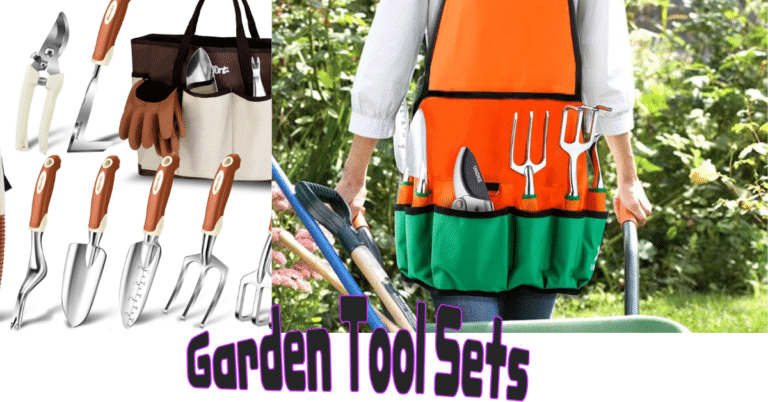
Gardening Tool Set Experts Call the Secret to Perfect Gardens

Gardening can be one of life’s simple pleasures, but having the right tools makes all the difference. Quality gardening tool set save time, reduce strain, and help you grow a healthier, more beautiful garden. With so many options out there, choosing the best set can be tricky. This guide covers top garden tool sets for 2025, so you can find the perfect match for your gardening needs and budget.

How to Choose the Best Garden Tool Set for Your Needs

Start by asking what kind of gardening you do. Small balcony herbs? Big vegetable garden? Next, decide your budget. Higher quality tools may cost more but last years longer. Look for ergonomic designs if you garden frequently. Read customer reviews and expert opinions to get real-world feedback. Combining these factors helps you make an informed choice.

Why Choosing the Right Garden Tool Set Matters

Investing in good garden tools enhances your gardening experience. Well-made tools are easier to handle, last longer, and prevent injuries. The right tools boost your efficiency, letting you spend more time enjoying your garden rather than fixing broken equipment. Plus, quality tools save money over time since you won’t need to replace them often.

Key Factors to Consider When Buying Garden Tool Sets

Durability and Material Quality

Look for tools made from high-carbon steel, stainless steel, or rust-resistant materials. These stand up to the elements and frequent use without breaking or corroding. Durable tools make gardening less frustrating, especially if you’ll be working in tough soil or with woody branches.

Tool Versatility and Completeness

Think about what you truly need. Do you want a basic set for patio herbs or a comprehensive kit for big planting projects? Consider sets that include essentials like pruners, rakes, cultivators, and hoes. The more versatile the set, the better your chances of handling different jobs without extra purchases.

Comfort and Ergonomics

Gardening lasts longer when tools are comfortable to use. Handles should fit well in your hand, with a non-slip grip to prevent accidents. Ergonomic tools reduce hand fatigue, making long sessions pain-free. If you have arthritis or hand issues, look for specially designed tools.

Storage and Organization

A sturdy carrying bag or tool organizer keeps everything in one place. Easy access to tools means less hassle. Plus, neatly stored tools stay in better shape and last longer.

Price Range and Value

Good tools can fit any budget if you know what to look for. Low-cost sets may seem attractive but often lack durability. Investing a bit more means getting tools that last for years. Balance your needs and budget with quality and features.

Top Garden Tool Sets of 2025

1. Garden Tools Set 83 Piece

This set offers everything a gardener could dream of. It’s perfect for both beginners and seasoned pros. Inside, you’ll find essential tools like a trowel, hand rake, cultivator, and pruner. Plus, handy extras such as a spray bottle, plant ropes, butterfly steaks, garden tags, and gloves with claws for digging. All fit into a portable tote, making it easy to carry around. Whether planting new flowers, pruning shrubs, or propagating, this kit keeps you fully equipped.

2. FLORA GUARD Garden Tool Set

This set is made from high-carbon steel, so it’s durable and corrosion-resistant. It includes a rake, cultivator, weeder, and more— perfect for tasks like weeding, loosening soil, or planting vegetables. Handles are designed for comfort, even during long hours. Ideal for hobbyists who want durable tools for their flower beds or vegetable patches.

3. UKOKE Garden Tool Set, 12 Piece

Serious about gardening? The UKOKE set has 12 tools crafted from high-carbon steel. It includes a rake, spade, trator, and gloves—all of which are made for strength and sharpness. Comes with a waterproof apron and kneeling pad for comfort. Plus, the tools are stored in a stylish, organized bag. This set is perfect for garden lovers who want premium equipment, or as a thoughtful gift.

4. Greenbow 9-Piece Gardening Tool Set

Looking for something stylish yet durable? The Greenbow set features stainless steel tools with ergonomic wooden handles. It includes pruners, transplanters, and a cultivator, all packed in a vintage-style floral bag. Suitable for gardeners of all ages. Whether you’re planting new flowers or maintaining your lawn, these tools combine function with charm.

5. Garden Tools Set, 10 Pcs Stainless Steel

This set stands out because of its robust stainless steel construction and soft grip handles. It’s designed to reduce fatigue, making gardening easier. The kit includes a rake, cultivator, pruning saw, and more. All tools fit into a multi-pocket tote bag for easy transport. Perfect for beginners or experienced gardeners who want reliable, all-in-one equipment.

Expert Tips for Maintaining Your Garden Tools

Keeping your tools in top shape ensures they last longer and work better:

  • Clean tools after each use to prevent rust.
  • Sharpen blades regularly for smooth cutting.
  • Store tools in a dry, organized place.
  • Use a lubricant on moving parts to keep them loose.
  • Check handles and replace if they become damaged.

Conclusion

The right garden tools transform gardening from a chore into a joy. Top sets like Tooy, Flora Guard, UKOKE, Greenbow, and City Bay offer a range of quality options for every gardener, whether just starting out or with years of experience. Focus on quality materials, versatility, comfort, and storage to find your ideal set. Investing in good tools makes your garden thrive while making your work easier and more fun.

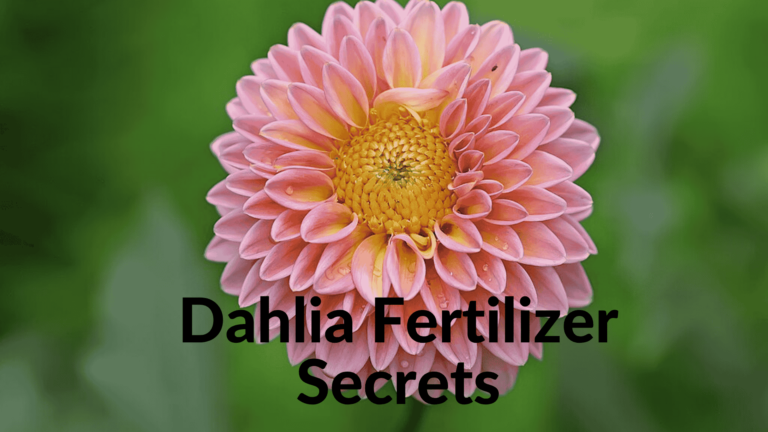
Dahlia Fertilizer Secrets: Boost Your Blooms Like a Pro!

0

Introduction

Dahlia Fertilizer are known for their vibrant blooms and striking foliage, but to achieve the healthiest plants and most stunning flowers, you need to provide them with the right care. Fertilizing is a crucial part of the process, and selecting the appropriate fertilizer can make all the difference in ensuring your dahlias thrive. In this guide, we will cover everything you need to know about dahlia fertilizer, including tips on choosing the best fertilizer, managing nutrient needs, and using cow/steer manure, commercial fertilizers, and more.

Understanding the Importance of Fertilization for Dahlias

Fertilizing your dahlias properly is essential for their overall health and success. Fertilizers provide the necessary nutrients for growth, allowing plants to develop strong stems, vibrant foliage, and impressive blooms. Without the right nutrition, your dahlias could suffer from weak growth or fewer flowers. It’s essential to recognize the vital roles that nitrogen, phosphorus, and potassium play in the fertilization process.

Key Nutrients for Dahlia Growth: Nitrogen, Phosphorus, and Potassium

When it comes to fertilizing dahlias, understanding the NPK ratio is key. This stands for nitrogen (N), phosphorus (P), and potassium (K), which are the three primary nutrients that plants need to thrive:

  • Nitrogen (N) helps promote green, leafy growth.
  • Phosphorus (P) supports healthy root development and encourages flower production.
  • Potassium (K) aids overall plant health and flower strength.

An ideal fertilizer for dahlias should have a low nitrogen content, particularly during the blooming phase. While nitrogen is essential during vegetative growth, excess nitrogen can lead to weak stems, small blooms, and tuber rot.

Low Nitrogen Dahlia Fertilizer

For optimal results, dahlias benefit most from low nitrogen fertilizers. These fertilizers typically have a high percentage of phosphorus and potassium, which are crucial for encouraging flowering and promoting tuber health. A good rule of thumb is to look for fertilizers with a nitrogen content that’s half or less than the phosphorus and potassium levels.

Best Fertilizers for Dahlias

When choosing a fertilizer for your dahlias, look for bloom food, commercial fertilizers, or processed/bagged steer manure. These options are excellent choices for ensuring your plants receive the right nutrients throughout the growing season. It’s also recommended to combine both cow manure and commercial fertilizers to provide a well-rounded nutrient mix.

Cow/Steer Manure: A Natural Fertilizer

Why Cow Manure is Perfect for Dahlias

Cow or steer manure is one of the best organic options for enriching the soil and fertilizing dahlias. It helps improve soil structure, making it lighter and better aerated. Applying processed steer manure before or during planting provides valuable nutrients like nitrogen, phosphorus, and potassium. However, it’s important to ensure that the manure is processed properly, as fresh manure can burn the plants due to its high nitrogen content.

  • Soil Enrichment: Cow manure improves soil fertility by adding organic matter.
  • Balanced Nutrient Delivery: It provides a balanced mix of nitrogen, phosphorus, and potassium, essential for dahlia growth.
  • Manure Application Tips: Apply steer manure in the fall to allow it time to break down before planting in the spring.

Risks of Fresh Manure

Avoid using fresh manure right before planting, as it may be too high in nitrogen, potentially leading to tuber rot. It’s better to add fresh manure in the fall, giving it time to decompose and integrate into the soil for the next planting season.

Commercial Dahlia Fertilizer

If you’re looking for a more convenient option, commercial fertilizers offer an easy way to deliver the essential nutrients dahlias need. These fertilizers come in a variety of NPK ratios, allowing you to choose the one that fits your plants’ needs best.

Choosing the Right Commercial Fertilizer

Look for commercial fertilizers with low nitrogen content, such as 2-4-4, 3-9-4, 4-10-7, or 5-10-10. These fertilizers have high potassium and phosphorus, making them ideal for supporting dahlia growth and flowering. Ensure the fertilizer has a balance that supports blooming and tuber development.

The Importance of Fertilizer Timing

When and How Often to Dahlia Fertilizer

Dahlias require consistent fertilization to reach their full potential. The first application should be around 30 days after planting, followed by regular applications every 3-4 weeks. If growing in containers, it’s crucial to fertilize every 2-3 weeks as nutrients are washed through the soil more quickly.

  • Fertilizing Schedule: Apply fertilizer throughout the growing season, especially during periods of extreme heat or stress.
  • Application Tips: Follow the manufacturer’s guidelines on fertilizer dosage to avoid overfeeding.

Avoiding High Nitrogen Fertilizers

Why You Should Avoid Overfeeding Dahlias with Nitrogen

Excessive nitrogen can lead to various problems with your dahlias, including weak stems, small blooms, and even tuber rot. Avoid using high nitrogen fertilizers like Miracle-Gro or 16-16-16 for regular feeding. These formulas can cause over-fertilizing consequences, where the plants focus on lush green growth at the expense of blooming.

Instead, opt for fertilizers that promote a balance of nutrients, focusing on phosphorus and potassium to encourage blooming and strong tubers.

Managing Fertilizer Use Throughout the Season

Fertilizing at Different Stages of Dahlia Growth

Dahlias go through different growth stages, and their nutrient needs change as they develop. Here’s a breakdown of the fertilizing schedule for each stage:

  • Early Season (Vegetative Growth): Use a higher nitrogen fertilizer like 10-10-10 or 14-14-14 to support green foliage and strong stems.
  • Mid to Late Season (Blooming): Switch to fertilizers rich in phosphorus and potassium (e.g., 0-20-20, 10-20-20) to support flower development and enhance blooming.
  • End of Season: Use zero nitrogen fertilizers, such as 0-10-10, to help strengthen tubers and prevent excessive green growth that can weaken them for winter storage.

Expert Fertilizing Tips for Dahlias

To ensure your dahlias grow healthy and produce beautiful flowers, here are some expert tips to follow:

1. Regular Soil Testing

Conduct soil tests regularly to understand your soil’s nutrient profile. This helps you avoid both over-fertilizing and under-fertilizing, ensuring that your plants receive the right amount of nutrients.

2. Managing Nitrogen Balance

Be mindful of nitrogen balance. Too much nitrogen can lead to tall, floppy plants with weak flowers, while too little can result in poor growth and minimal blooms.

3. Watering and Fertilizing Together

Fertilize your dahlias along with a deep watering session to ensure the nutrients are properly absorbed by the roots. Avoid shallow watering, as it doesn’t penetrate deep enough to support the plant’s root system.

Common Mistakes to Avoid When Fertilizing Dahlias

When fertilizing dahlias, avoid these common mistakes:

  • Over-fertilizing: Applying too much fertilizer can burn the plants and lead to poor growth.
  • Using the Wrong Fertilizer: Stick to low-nitrogen formulas for blooming and tuber development.
  • Ignoring Soil Health: Without good soil, even the best fertilizer won’t work. Amend your soil regularly with cow manure or other organic matter.

FAQs

1. What is the best fertilizer for dahlias?

The best fertilizer for dahlias is one that is low in nitrogen and high in phosphorus and potassium, such as 2-4-4, 3-9-4, or 0-20-20. These fertilizers promote healthy flowering and tuber growth.

2. How often should I fertilize dahlias?

Dahlias should be fertilized every 3-4 weeks during the growing season. If grown in containers, fertilize every 2-3 weeks.

3. Can I use fresh cow manure for dahlias?

Fresh cow manure should be avoided, as it can burn the plants due to its high nitrogen content. It’s best to use processed or bagged steer manure.

4. What happens if I use too much nitrogen on dahlias?

Excess nitrogen can cause dahlias to grow tall and weak with poor blooms. It can also lead to tuber rot and shriveled tubers during storage.

Conclusion

Fertilizing your dahlias correctly is the key to achieving healthy plants and stunning blooms. By selecting the right low nitrogen fertilizer, using cow/steer manure, and following a well-planned fertilizing schedule, you can help your dahlias thrive throughout the growing season. Be mindful of the right nutrient ratios and avoid overfeeding with high nitrogen fertilizers. With proper care, your dahlias will reward you with vibrant, beautiful flowers and strong, healthy tubers.

Transform Your Yard with Stylish Childrens 10 Outdoor Furniture!

Introduction Childrens Outdoor Furniture

Looking to create a fun, safe, and practical outdoor space for your kids? Spending time outside isn’t just good for play—it helps boost creativity, encourage exercise, and bring families closer together. As outdoor furniture becomes more popular, many options blend safety, style, and ease of use. This article explores the best-selling Transform Your Yard with Stylish Childrens Outdoor Furniture!, so you can pick the perfect pieces for your family.

Why Choosing the Right Childrens Outdoor Furniture Matters

Kids need furniture that supports their growth and keeps them safe during outdoor adventures. Proper outdoor furniture encourages kids to act independently, explore, and be creative. But safety can’t be overlooked. Look for furniture tested for stability and safety standards. Durable materials also matter; they stand up to weather and rough use, making your investment last longer.

Key Features to Consider When Buying Childrens Outdoor Furniture

Before shopping, remember these important points:

  • Comfort and Fit: Kids should sit comfortably and move easily.
  • Safety: Look for non-toxic, stable pieces with safety certifications.
  • Portability: Lightweight furniture is easier to transport and store.
  • Design: Bright, playful styles attract kids and fit your yard’s decoration.
  • Weather Resistance: Good materials won’t warp or fade in sun or rain.
  • Multi-Functionality: Furniture that adapts offers better value, like tables with storage or adjustable chairs.

Top Kids Outdoor Furniture Picks In-Depth Reviews

Kids Folding Chairs: Comfort, Convenience, and Safety

Emily Rose Kids Folding Chair

For outdoor relaxing, this chair offers the perfect combo of comfort and style. It’s tailored for children aged 2 to 7, making it ideal for backyard chill-outs, trips, or sandboxes. The bold, colorful design features a playful heart pattern and durable fabric that can handle outdoor wear.

Some key features include:

  • Lightweight construction for easy carrying
  • A mesh cup holder keeps drinks nearby
  • Built with sturdy metal and safety locks
  • Folds quickly and comes with a carrying case

This means you get a safe, stylish chair that’s easy to transport anywhere. Perfect for families on the go.

Multi-Functional Picnic Tables with Umbrellas

Delta Children Four-Seat Activity Picnic Table

This picnic table is more than just a spot to eat; it’s a space for play too. It comfortably seats up to four kids and features a removable building blockboard surface. That means your child can build, imagine, and create while enjoying time outside.

Great features include:

  • Removable building blockboard surface for LEGO or other blocks
  • Umbrella to shield from sun on hot days
  • Durable plastic that withstands rain and sun
  • Easy snap-together assembly, folds for storage

The cheerful Disney Minne Mouse design adds a whimsical touch. It’s perfect for family outings, outdoor craft time, or casual meals.

Little Tikes Fold & Store Picnic Table

For families with limited space, this table is a life-saver. It’s designed to fold easily, making storage simple. It seats up to four kids and features a convenient cup holder and a crayon tray—great for meals or art time.

Top reasons to choose this model:

  • Compact, folds flat for quick storage
  • Easy to set up without tools
  • Suitable for indoor or outdoor use
  • Bright, cheerful colors appeal to kids

It’s a smart pick for busy households needing versatile, portable furniture.

Little Tikes Easy Store Picnic Table with Umbrella

This version emphasizes quick setup and durability. It’s made for smaller spaces, with sturdy construction and a built-in umbrella to block the sun.

Key benefits:

  • Assembles fast, disassembles just as easily
  • Double cup holders to keep drinks stable
  • Folds flat for storage or transport
  • Designed for children up to age 8

Ideal for spontaneous outdoor lunches or art sessions.

Portable & Adjustable Chairs for Growing Kids

Baby Delight Go With Me Venture Portable Chair

This isn’t just a simple seat. It’s a convertible chair made to grow with your child. Starting as a sitting chair, it can transition through stages as your kid gets bigger. Adjustable support up to age 8 makes it cost-effective, too.

Main features:

  • Three seating modes: sit, stand, and big kid
  • Removable snack tray and sun canopy
  • Folds into a compact bag for travel
  • Supports up to 8 years old

Parents love its stability, durability, and convenience. Plus, it’s made with fade- and stain-resistant fabrics.

How to Pick the Best Kids Outdoor Furniture for Your Home

Need help narrowing down choices? Keep these tips in mind:

  • Measure your space so furniture fits comfortably
  • Match styles with your outdoor decoration
  • Prioritize safety—look for certified, non-toxic materials
  • Consider how easy furniture is to clean and store
  • Read reviews from other parents for real-world tips
  • Find a balance between budget and features

Expert Tips for Enhancing Kids Outdoor Play with Furniture

Looking to boost outdoor fun? Use colorful and creative furniture to stimulate your child’s imagination. Invest in weather-resistant covers to keep furniture looking new longer. Combine chairs, tables, and play stations to create a versatile outdoor play area. Always involve kids in choosing their furniture—they’ll enjoy their space more when they feel part of the process.

Conclusion

Choosing the right outdoor furniture isn’t just about looks—it’s about safety, comfort, and fun. The top products we’ve covered include versatile picnic tables, cozy folding chairs, and adjustable, travel-ready seats—all designed with your child’s needs in mind. Investing in quality outdoor furniture builds a space where your family can create lasting memories.

Unlock the Secret to Stunning White Wax Flower Growth

0

Introduction to White Waxflower: Beauty That Inspires

The white waxflower is a beloved waxy wild flower that blooms beautifully during the dead season of late winter to early spring. Its delicate white flowers and subtle lemony scent make it a favorite among gardeners and florists alike. This evergreen shrub, often found along the coastline of Western Australia, offers consistent blossoms that last up to three weeks, making it perfect for cut flower arrangements, bouquets, and even corsages.

A Brief History of the White Waxflower

The journey of the waxflower began in 1819 near the coast of Western Australia during a dark, stormy night. It was first discovered by the famous French botanist Rene Louiche Desfontaines and was originally named Geraldton Wax after the small town of Geraldton near Champion Bay. This area is close to the Geelvink Channel and the Houtman Abrolhos Islands, offering the perfect temperament for this lovely plant to thrive. Geraldton itself has a rich history as a military post near the Murchinson goldfield, declared a town in 1871, and even served as an Allied amphibious airbase during World War II.[su_note note_color=”#ff6669″ radius=”20″]Final Thoughts: Why White Waxflower is a Gardener’s Delight

With its reliable, non-stop blooms, tolerant nature, and subtle fragrance, the white waxflower truly is a lazy gardener’s dream. It offers a touch of elegance throughout the seasons when properly cared for and supported. Whether grown as a landscape shrub or cut flower, it provides lasting beauty and joy.[/su_note]

Understanding Waxflower Varieties and Hybrids

There are several hybrid species of waxflower identified, including:

  • Album: known for its white flowers
  • Bundara Excelsior: produces large pink flowers
  • Purple Pride: with striking reddish-purple flowers
  • University: features red stems and rose-purple flowers that transform into full purple

Each variety adds unique charm and color to gardens and floral displays.

Ideal Growing Conditions for White Waxflower

To cultivate healthy waxflowers, it’s important to mimic their natural habitat:

  • Prefer organic soil with a depth of 8-10 inches
  • Require good drainage and consistent draining to avoid root issues
  • Thrive in sandy soil with gritty material to enhance water percolation
  • Favor sunny locations with low humidity and sparse moisture, similar to the Australian coast
  • Can withstand long periods of drought once established

Avoid using commercial fertilizers excessively as they can harm these delicate plants.

Watering and Maintenance Tips:

White waxflowers are relatively low maintenance. Here are some tips from experience:

  • Water sparingly, especially in winter months; allow the compost to dry out between waterings
  • During growth seasons (spring to autumn), keep the soil moist but not soggy
  • Feed monthly with a general liquid fertilizer to encourage blooms
  • Prune lightly in winter to expose branching and remove dead wood, which promotes fresh growth
  • Use sharp secateurs to cut thick, woody stems carefully and avoid crushing

Supporting Your Wax flower:

Waxflowers can grow quite tall, reaching 4-6 feet in height and width, developing into thick, colorful shrubbery. Because of their intense height, they tend to fall over if unsupported. Using stakes or supports helps keep the dense shrubs upright, maintaining their elegant shape and ensuring they continue to bloom reliably.

Caring for Cut Wax flowers:

When using waxflowers as cut flowers:

  • Always cut stems underwater at a 2-3 inch angle to improve water uptake and reduce air bubbles in stems
  • Use a clean container with warm water and a flower preservative if available
  • Remove any foliage below the waterline to prevent rot
  • Place flowers in a cool location, away from direct sunlight and air vents to avoid drying out
  • Recut stems every 4-5 days to lengthen vase life and keep blooms fresh

This care routine will help your waxflowers stay vibrant and fragrant for up to three weeks.

Common Pests, Diseases, and Prevention

While waxflowers are generally trouble-free, watch out for:

  • Root rot, especially if growing conditions are too moist
  • Signs of pests and diseases, which can occur if plants are overcrowded or improperly cared for

Regularly check your plants, especially if grown indoors or in conservatories, to catch any issues early.

These sources often supply quality plants that will thrive with the right care.

FAQs

Q1: When does the white wax flower bloom?
A1: It blooms during the dead season, from late winter to early spring.

Q2: How tall do white waxflowers grow?
A2: They can reach heights and widths of 4 to 6 feet.

Q3: How often should I water my waxflower?
A3: Water sparingly, keeping soil moist during growth seasons and allowing it to dry out in winter.

Q4: Can waxflowers withstand drought?
A4: Yes, mature plants can tolerate long periods without water.

Q5: How do I keep cut waxflowers fresh longer?
A5: Cut stems underwater at an angle, change water regularly, remove foliage below waterline, and keep flowers in a cool place away from sunlight.

Conclusion

Growing and caring for the white waxflower is a rewarding experience that combines a bit of history, science, and simple gardening wisdom. By providing the right soil conditions, watering, and maintenance, you can enjoy these lovely, fragrant blooms year after year. Whether for your garden or floral arrangements, white waxflowers bring a natural charm and vibrant life that’s hard to match.