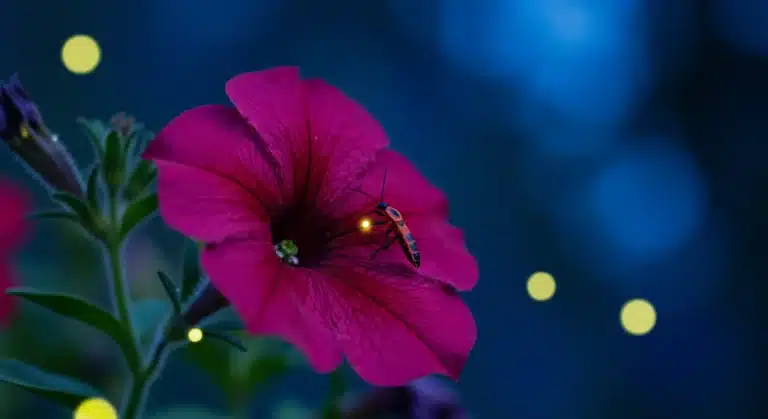
Introduction: The Magic of Firefly Petunias
Imagine a flower that glows gently in the dark, like a tiny lantern scattered across your garden. Firefly Petunias, developed through groundbreaking biotechnology by scientists at Light Bio, are the world’s first light-emitting flower. With a soft, bioluminescent glow, these magical blooms transform any space into a beacon of natural wonder. This guide is for plant lovers, dreamers, and anyone curious about growing something truly unique.
[su_note note_color=”#ffd966″ radius=”50″]
Expert Insight: Interview with a Grower
Name: Maria H., Texas-based home gardener
Experience: First-time Firefly Petunia grower
“The glow felt like something out of a dream. I’ve grown regular petunias before, but these felt alive in a new way. My tip? Don’t overwater. And give them all the sun they ask for.”[/su_note]
The Science Behind the Glow
The glow in Firefly Petunias isn’t science fiction—it’s scientific magic. Inspired by bioluminescent mushrooms, researchers integrated a natural light-producing pathway into the plant’s DNA. Mike Reynolds, a biotechnology specialist, described them as “a real-life wonder” that brings ambiance and joy to both indoor and outdoor gardens.
Sunlight: Full Sun for Maximum Glow
Why Full Sunlight Matters
To charge their bioluminescent cells, Firefly Petunias require 6–8 hours of direct sunlight every day. Strong growth and glow rely on full sun, especially for those planted outdoors in containers or garden beds.
Best Placement Tips
For optimal brightness, place them in a sunny garden, on patios, or in hanging baskets near eaves sheltered from strong winds. Indoors, use LED grow lights (400–2,000 µmol/m2/s spectrum) to mimic sunlight.
Soil and Watering: The Foundation of a Healthy Firefly Petunia
The Right Soil
Use a well-draining, organic-rich potting mix like Town & Country Garden Potting Mix. Aim for a slightly acidic to neutral pH (5.5–6.0) for strong root development.
Watering Technique
Keep soil moist but never soggy. Water when the top inch feels dry. Overwatering can lead to root rot, especially in containers. Use pots with drainage holes or self-watering containers to maintain the right balance.
Fertilizing: Feed for Full-Bloom Beauty
Regular Feeding Schedule
Firefly Petunias are heavy feeders. Fertilize every 7–10 days using a balanced, water-soluble fertilizer like 10-10-10 or 20-20-20. You can also use slow-release fertilizers or AlgoPlus Flowering Plants Liquid Feed.
Ideal Nutrient Ratios
A nitrogen level of about 250 ppm helps maintain vibrant foliage and glowing blooms. Hungry plants glow better!
Pruning and Pinching: Encouraging Healthy Growth
Deadheading for Appearance
Regularly deadhead spent flowers to keep plants tidy and encourage new blooms. This also enhances their soft glow at night.
Mid-Season Pruning
If the plants become leggy or spindly, prune them back by one-third to stimulate bushier, fuller growth.
Pinching Tips
Pinch the stem tips halfway through the bloom cycle to promote a compact shape and more flower buds.
Protection from Wind and Rain
Shelter Strategies
Although hardy, Firefly Petunias can suffer under harsh weather. Protect them from strong winds and heavy rain by placing them in sheltered spots, such as under eaves or inside hanging baskets.
Extending Lifespan
Proper sheltering helps maintain the glow and extends the lifespan of flowers, especially during extreme weather.
Planting Tips: Compostable Pots for Easy Transition
Eco-Friendly Planting
Use compostable paper pots or liners to minimize transplant shock. These allow the roots to grow freely and naturally into the surrounding soil or containers.
Root Development
Compostable liners encourage healthy root development, especially useful when moving Firefly Petunias from indoor starts to garden beds.
Temperature and Humidity: Creating the Right Environment
Ideal Range
Maintain temperatures between 65–75°F for ideal growth. Avoid heat over 90°F, which can stress the plant and reduce glow.
Cold Sensitivity
They are not frost-tolerant. In colder climates, bring them indoors before freezing temperatures.
Humidity Levels
Keep humidity moderate—not too dry or moist. Excess moisture on leaves can reduce bloom and glow quality.
Pest and Disease Management for Firefly Petunias
Common Pests
Watch for aphids, slugs, caterpillars, and thrips. Use biological controls or light insecticidal treatments to keep populations low.
Disease Prevention
Avoid soggy soil to reduce fungal risks. Ensure good air circulation around your plants.
Bringing Firefly Petunias Indoors for Winter
Indoor Care
In cold months, overwinter your Firefly Petunias indoors under grow lights in a well-lit space. Maintain temperatures above 60°F.
Perennial Potential
Though treated as annuals in most freezing climates, with proper care, Firefly Petunias can be grown indoors as houseplants until spring.
A Guide to Pampering These Exciting, One-of-a-Kind, Glow-in-the-Dark Blooms
With their classic white day blooms and soft night glow, Firefly Petunias are a truly innovative marvel. They bring natural brilliance into dark voids of patios, indoor spaces, or garden corners. Grown safely and responsibly, these flowers symbolize the blend of scientific innovation and the timeless magic of nature.
Frequently Asked Questions: Firefly Petunias
Conclusion: Bringing Light Into Your Garden
Caring for Firefly Petunias is like nurturing a little piece of wonder. Whether you’re planting in the country or a small town patio, these flowers turn any space into a magical ambiance of soft, glowing color. As someone who’s grown them both indoors and outdoors, I can say they live up to the dream. With the right care, sunlight, water, and love, they will brighten up your space—day and night.