Welcome to the “Garden Guide” section of our urban gardening website! If you’re looking to transform your urban space into a beautiful and functional garden, you’re in the right place. This category is dedicated to providing you with creative and practical design ideas that cater to the unique challenges of urban gardening.

Creating a garden design ideas that’s both functional and beautiful requires careful planning and consideration. Whether you’re looking to grow your vegetables, create a peaceful sanctuary, or enhance your landscape, understanding the core elements of garden design will help you build the garden of your dreams. In this article, we’ll explore five essential garden elements that I always incorporate into my designs and that you should consider for your garden.
These elements will enhance your garden’s beauty, making it easier to maintain and improve your overall gardening experience. Let’s explore how each of these elements can take your garden to the next level.
Top 5 Garden Design ideas
1. Raised Garden Beds: Starting with the Right Foundation
The raised garden bed is one of the most impactful elements in garden design. It serves as the foundation for many successful gardens, especially if you plan on growing vegetables, herbs, or other plants requiring specific soil conditions. Raised beds are fantastic for gardeners looking for a controlled, clean environment for their plants.
Why Raised Garden Beds?
Better Soil Quality: Raised beds allow you to create the ideal soil for your plants. You can fill the beds with nutrient-rich compost or organic soil, which promotes healthy growth. Unlike traditional gardens, you won’t have to deal with poor soil quality or the constant need for soil amendments.
Improved Drainage: Raised beds are elevated, so water drains are more effective. This is especially important for plants like tomatoes, carrots, and lettuce, which need well-drained soil.
Increased Accessibility: Raised beds are perfect if you have mobility issues or just want to avoid back strain. The height of the beds minimizes bending over, making gardening more comfortable and less strenuous.
Pest Control: Raised beds are less prone to pests like slugs or weeds, especially when you add barriers to the base or use enclosed systems.
Design Tips for Raised Beds:
Size and Shape: The width of your raised bed should allow easy access to all parts without bending or stretching too much. A width of about 2 to 3 feet is ideal for most gardeners.
Height: A bed 12 to 18 inches high is suitable for most plants, but for deeper-rooted plants like carrots or potatoes, choose a 2-foot-high raised bed.
Materials: Opt for natural, durable materials like cedar, stone, or brick. These materials blend seamlessly into most landscapes and ensure that your raised bed lasts through the seasons.
2. Garden Trellises: Vertical Gardening for Better Space Management
Trellises are the perfect solution for gardeners with limited space who want to grow vining plants such as tomatoes, cucumbers, or beans. They provide vertical support, allowing plants to grow upwards instead of sprawling across the ground.
Why Use Trellises?
Maximizes Space: Vertical gardening allows more plants to be grown in smaller spaces. You save valuable ground space for other plants by training plants to climb trellises.
Healthier Plants: Trellises help improve airflow and sunlight exposure, which reduces the risk of plant diseases and helps them grow better.
Aesthetic Appeal: Trellises bring beauty to your garden, especially when covered with lush vines or flowers. They create a focal point and add dimension to your garden.
Types of Trellises:
Panel Trellises: These flat trellises can be placed against walls, fences, or in the middle of garden beds. They are perfect for narrow spaces and allow plants to grow upward.
Obelisk Trellises: Shaped like pyramids or towers, obelisks add an architectural touch to your garden. They’re great for raised beds or smaller garden spaces.
Arch Trellises: Arch trellises create an elegant garden entrance or pathway. They allow plants like climbing roses or beans to thrive while providing a charming structure.
Design Tips for Trellises:
Material: Consider using sturdy materials like powder-coated steel, which can withstand weather conditions and last many years. Wooden trellises (e.g., cedar or bamboo) are more affordable but may need to be replaced more frequently.
Placement: Ensure the trellis provides adequate support without blocking sunlight or airflow to other plants. If it’s a tall trellis, secure it well to prevent it from toppling in strong winds.
3. Garden Borders: Structuring and Defining Your Garden Space
Garden borders are crucial for visually separating your garden from the rest of your yard. They also play an important role in garden maintenance, keeping grass and weeds from creeping into your beds. Whether growing flowers, vegetables, or herbs, borders help structure your space, ensuring your garden looks neat and organized.
Why Garden Borders Matter:
Create Boundaries: Borders define your garden space, separating it from the rest of your yard or landscaping.
Prevent Invasive Grass and Weeds: A well-installed border keeps grass and weeds from invading your garden beds, reducing maintenance efforts.
Add Visual Appeal: Borders give your garden a polished, professional, and well-maintained appearance.
Types of Garden Borders:
Metal Edging: Provides a sleek, modern look and is durable enough to withstand weather conditions. Steel is a popular choice.
Stone or Brick: Adds a natural, rustic feel to your garden. Stone borders are perfect for creating a more natural aesthetic.
Plastic or Rubber: Budget-friendly and easy to install, though not as durable as metal or stone borders.
Design Tips for Borders:
Durability: Choose materials that will withstand the elements in your region. Metal and stone offer the most longevity.
Installation: Dig a trench around the perimeter of your garden to secure the border in place. This will prevent it from shifting over time.
Pathways are not just functional—they can also serve as an aesthetic element that enhances the beauty of your garden. They help with accessibility, allowing you to move easily between garden beds, and they protect your plants from damage.
Why Garden Pathways?
Ease of Access: Pathways provide easy movement between garden areas, allowing you to tend your plants without stepping on them.
Enhance Aesthetics: A well-designed pathway can be a focal point in your garden. It guides the eye and creates visual interest.
Prevent Soil Compaction: Pathways help prevent soil compaction in areas where you frequently walk, ensuring that your garden beds remain fertile and well-drained.
Pathway Materials:
Gravel: Gravel is durable, easy to install, and creates a natural look in the garden. It also helps with drainage.
Mulch: Mulch is affordable and provides a soft, natural look, though it degrades over time and requires replenishing.
Stone or Brick: These materials create a more formal, structured look and are long-lasting.
Design Tips for Pathways:
Width: Pathways should be wide enough to comfortably accommodate foot traffic. A width of 2 to 3 feet is ideal.
Flow: Ensure the pathways lead naturally through your garden, creating smooth transitions from one area to another.
Native plants are essential for creating a garden that supports local wildlife, including pollinators like bees, butterflies, and birds. By incorporating a pollinator-friendly garden into your design, you’re helping to maintain biodiversity and improve the health of your entire garden ecosystem.
Why Native Plants and Pollinator Gardens?
Support Local Wildlife: Native plants attract pollinators and beneficial insects, improving plant health and the overall balance of your garden.
Low Maintenance: Native plants are adapted to your local climate, require less water and fewer chemicals, and are more resistant to pests.
Eco-Friendly: Planting native species helps conserve local ecosystems and reduce the spread of invasive plants.
Design Tips for Native Plants:
Research Local Plants: Learn about the native plants in your area and choose species that will thrive in your garden’s climate.
Pollinator Spaces: Include flowers, shrubs, and trees that provide nectar, shelter, and nesting spaces for pollinators.
FAQs
Q1: What are the benefits of raised garden beds? Raised garden beds provide better drainage, improve soil quality, and make gardening more accessible. They also offer easier maintenance and can help protect plants from pests.
Q2: How do I choose the right trellis for my garden? Choose a trellis based on the types of plants you’re growing. For taller plants, go for obelisk or arch trellises. For smaller spaces, panel trellises are ideal.
Q3: Can I create a pollinator garden if I don’t have a lot of space? Yes! Even a tiny pollinator garden with native plants and flowers can attract bees, butterflies, and birds. Focus on growing a mix of nectar-rich plants in any available space.
Conclusion: Creating Your Dream GardenDesign Ideas
Incorporating these five key elements into your garden design ideas—raised garden beds, trellises, borders, pathways, and native plant spaces—will help you create a functional, beautiful, and eco-friendly garden. Each element works together to enhance the overall gardening experience, making it easier to maintain while supporting local wildlife. Whether you’re growing your vegetables, designing a peaceful retreat, or welcoming pollinators into your garden, these elements transform your outdoor space into the garden of your dreams. Happy gardening!
Introduction: Why Sketching Your Flower Garden is Essential
Whether you have a small corner of your backyard or a sprawling garden, creating a sketch of a flower garden is the perfect way to begin your gardening journey. Gardening is not just a hobby; it’s an artistic process that brings joy, peace, and beauty into your space. By sketching your flower garden layout, you can visualize how each plant will thrive in your garden, ensuring it’s both visually pleasing and sustainable.
In this guide, we’ll walk through the essential steps for creating a beautiful flower garden, from conceptualizing the theme to planting the final flower. So, grab a pencil and some graph paper (or use online tools) — let’s sketch your garden masterpiece!
Step 1: Determine Your Flower Garden Theme
The first step in any flower garden planning process is choosing a theme. Much like an artist picks a canvas, your garden needs direction. Themes set the tone and guide your plant choices. Whether it’s a vibrant, colorful garden or a more subtle, monochromatic design, your garden’s theme will help unify all the elements.
Popular Flower Garden Themes:
Cottage Garden: Think wildflowers, climbing roses, and lavender.
Zen Garden: Choose calming colors with Japanese-inspired plants like cherry blossoms and bamboo.
English Garden: Perfect for classic beauty with peonies, hydrangeas, and delphiniums.
Tropical Garden: Think bold, exotic plants like hibiscus, bird-of-paradise, and palm trees.
Don’t be afraid to get creative! Sometimes, blending multiple styles works beautifully. Your sketch of a flower garden is your personal masterpiece, so let your imagination guide you.
Step 2: Plan Your Flower Garden Layout
Now that you’ve chosen your theme, it’s time to think about your layout. If you’re working with limited space or uneven ground, be sure to map everything out before you start planting. A well-planned layout ensures that your plants receive the right amount of sunlight and nutrients, helping them thrive throughout the seasons.
Start by drawing a basic layout. You can use graph paper or even online tools like the “Plan-a-Garden” feature on Better Homes & Gardens. These tools allow you to virtually place plants and structures, giving you a preview of your finished garden.
Tips for Flower Garden Layout:
Consider Sunlight: Make sure you understand how much sunlight each plant requires (full sun, partial sun, or shade). This affects their growth and flowering.
Plant Height: Taller plants should go at the back, with shorter plants in front. This arrangement ensures all your plants get enough sunlight and don’t block each other.
Spacing: Ensure each plant has enough room to grow. Overcrowding can stunt growth and reduce the aesthetic value of your garden.
Step 3: Growing Flower Seeds vs. Buying Flower Plants
One of the most exciting parts of flower gardening is choosing how you want to start your plants. You can either grow flowers from seeds or buy established plants from a nursery. Both options come with their advantages and challenges.
Growing Flowers from Seeds
Pros:
Cost-effective.
A wider selection of plants.
It’s rewarding to watch your plants grow from the very beginning.
Cons:
Takes longer for flowers to bloom.
Requires more patience and care.
If you’re new to gardening, starting with seeds can be a fun learning experience. However, you’ll need patience as some flowers may take months to bloom.
Buying Flower Plants
Pros:
Instant gratification — flowers will bloom sooner.
More consistent results.
Easier for beginners.
Cons:
Can be more expensive.
Limited variety, depending on the nursery.
Step 4: Construct Your Flower Garden
Once you’ve chosen your plants, it’s time to get your hands dirty! Whether you’re working with a small space or a larger plot, constructing a flower garden involves soil preparation, planting, and proper care. Follow these steps to get started:
Preparing Your Soil
Loosen the Soil: Use a shovel, rake, and trowel to break up compacted soil. This will allow roots to grow more easily.
Add Organic Matter: Incorporating compost or well-rotted manure into the soil improves its structure and provides essential nutrients.
Planting Your Flowers
Planting Depth: Follow planting instructions for each plant species. Some flowers need to be planted deeper than others.
Watering: Water thoroughly right after planting, but avoid over-watering, which can drown the roots.
Step 5: Ongoing Care for Your Flower Garden
Once your flowers are planted, the real fun begins! Enjoying your flower garden design means maintaining it with regular care. Watering, fertilizing, and pruning are essential tasks that will help your plants flourish.
Maintenance Tips:
Watering: Deep watering encourages roots to grow deeper, helping the plants tolerate dry conditions.
Mulching: Use mulch to retain moisture and keep weeds at bay.
Pruning: Regularly prune dead or damaged flowers to promote healthy growth.
Step 6: Enjoy Your Flower Garden Design
One of the best aspects of a flower garden is that it’s constantly evolving. As the seasons change, so will the look and feel of your garden. You can experiment with different flower varieties, rearrange plants, or even start fresh with new ideas. Your garden is a living masterpiece that reflects your personality and creativity.
FAQs About Creating a Sketch of a Flower Garden
Q1: How do I choose the right flowers for my garden theme? A1: Research flowers that match your chosen theme. For example, for a Zen garden, choose calm, low-maintenance flowers like irises or lotus. For an English garden, try roses and lavender.
Q2: Can I grow flowers in a small space? A2: Absolutely! With proper planning, you can create a flower garden even in small areas like balconies or patios. Vertical gardens and container gardening can help maximize space.
Q3: How can I make my flower garden last all year? A3: Choose a mix of perennial and annual flowers. Perennials come back year after year, while annuals provide color throughout the seasons.
Q4: How do I prevent pests from damaging my flower garden? A4: Regularly inspect plants for signs of pests, and use organic pest control methods like neem oil. Encourage beneficial insects like ladybugs to keep harmful pests in check.
Pros and Cons of Creating a Sketch of a Flower Garden
Pros
Cons
Encourages creativity and self-expression
Requires time and patience
Provides a structured approach to gardening
Can be overwhelming for beginners
Enhances garden planning and organization
Initial cost of seeds or plants
Increases plant health with proper spacing
Requires ongoing maintenance and care
Provides a visually appealing space
Soil quality can be an issue in some areas
Conclusion: Transform Your Space with a Beautiful Flower Garden
Creating a sketch of a flower garden isn’t just about planting flowers — it’s about bringing your creativity to life and transforming your space into a colorful, welcoming retreat. Whether you’re a beginner or an experienced gardener, following these steps will help you design a garden that’s both beautiful and sustainable.
By planning carefully, choosing the right plants, and maintaining your garden, you’ll have a stunning floral display to enjoy for seasons to come. So, grab your sketchpad and get started — the garden of your dreams is just a few steps away!
Flowers have long been revered not only for their natural beauty but also for the deep meanings they hold across cultures. This makes flower tattoos an incredibly popular choice among tattoo enthusiasts. With their rich history, intricate designs, and wide array of meanings, best flowers for tattoos can express everything from love and beauty to life cycles and transformation.
Whether you’re someone who wants a small, delicate flower on your wrist or a full sleeve of intricate floral designs, this comprehensive guide will help you choose the best flower tattoo for your personality, life experiences, and artistic preferences.
Why Choose Flowers for Your Tattoo?
1. Timeless Beauty: Flowers have been a prominent motif in art, culture, and tattoos for centuries. Their natural beauty, vibrant colors, and intricate details make them a timeless choice for tattoo enthusiasts. A flower tattoo can range from minimalist to highly detailed, adapting to any style.
2. Symbolism: Each flower carries its own specific symbolism. Some represent love, others are linked to spiritual growth, or they may signify new beginnings, strength, or remembrance. A flower tattoo allows you to express your emotions, ideals, and personal story.
3. Versatility in Design: One of the reasons flowers are so popular in tattoos is their versatility. Whether you prefer traditional, neo-traditional, watercolor, or geometric styles, flowers can be adapted to any tattoo style. Additionally, they can be small and delicate or large and elaborate, depending on what suits your personal taste.
4. Connection to Nature: Flowers are deeply connected to nature and can represent growth, rebirth, and transformation. They are also closely tied to the cycle of life—birth, life, and death—making them symbolic of resilience and change.
5. Emotional Expression: Flower tattoos can represent personal stories or emotions. A rose might symbolize love, while a lotus could symbolize overcoming adversity. The variety of meanings makes flowers ideal for expressing individual experiences, dreams, or goals.
Let’s dive deeper into the best flowers for tattoos, the meanings they hold, and why they might be perfect for your next tattoo.
1. Rose Tattoo
Symbolism: Love, beauty, passion, sacrifice, and romance.
Color Meanings:
Red Rose: Represents deep love, passion, and desire. A classic choice for romantic love.
White Rose: Symbolizes purity, innocence, new beginnings, and remembrance. Often chosen for memorial tattoos or new life.
Yellow Rose: Signifies friendship, joy, and positivity. A perfect option to symbolize platonic love and gratitude.
Pink Rose: Represents admiration, appreciation, and gratitude. It’s softer than the red rose and a popular choice for family tattoos.
Why It’s Popular: The rose is one of the most iconic flowers in both art and tattoos. Its rich history and versatility in color make it a top choice for tattoos that represent a wide array of emotions.
2. Lotus Tattoo
Symbolism: Spiritual enlightenment, purity, rebirth, and overcoming adversity.
Why It’s Popular: The lotus has a deep connection to Eastern philosophy, particularly Buddhism and Hinduism, where it represents purity and enlightenment. For many, a lotus tattoo symbolizes personal growth and a journey toward self-discovery.
3. Cherry Blossom Tattoo
Symbolism: Beauty, the fleeting nature of life, and new beginnings.
Why It’s Popular: In Japanese culture, cherry blossoms represent the ephemeral nature of life. They bloom beautifully for a short period and fall away, reminding people to live fully and embrace the present moment. This symbolism resonates with those who appreciate the transient beauty of life.
4. Lily Tattoo
Symbolism: Purity, renewal, refined beauty, and motherhood.
Why It’s Popular: Known for their elegant, delicate petals, lilies symbolize rebirth and new beginnings. The flower is often associated with the Virgin Mary in Christian iconography, representing purity and grace. Many choose lily tattoos to mark a fresh start or as a tribute to motherhood.
5. Sunflower Tattoo
Symbolism: Happiness, positivity, loyalty, and longevity.
Why It’s Popular: Sunflowers are a bright, bold symbol of optimism. Their large, vibrant blooms are associated with the sun, and they can evoke feelings of warmth, joy, and hope. A sunflower tattoo is perfect for those who want to express a positive outlook or remind themselves to stay true to their authentic self.
6. Daisy Tattoo
Symbolism: Innocence, purity, simplicity, and new beginnings.
Why It’s Popular: Daisies have a simple yet profound beauty. They are often linked to the concept of innocence and youth, making them perfect for people who value simplicity in life. The daisy also has a strong connection to renewal and new beginnings, making it ideal for someone starting a new chapter.
7. Peony Tattoo
Symbolism: Prosperity, romance, good fortune, and beauty.
Why It’s Popular: Peonies are large, full flowers often associated with prosperity and success. In Chinese culture, they are symbols of wealth and good fortune, making them a great choice for someone who values abundance in their life. Peony tattoos are also beautiful and often used in detailed, ornamental designs.
8. Tulip Tattoo
Symbolism: Perfect love, elegance, and grace.
Why It’s Popular: The tulip is a symbol of perfect love and elegance. Its graceful form and vibrant color make it an attractive tattoo choice. It’s often chosen by people who want a tattoo that signifies refined beauty and romantic feelings.
9. Orchid Tattoo
Symbolism: Beauty, strength, luxury, and fertility.
Why It’s Popular: Orchids are exotic and rare flowers that represent uniqueness and luxury. They are also symbolic of strength and beauty, often associated with strong, independent individuals. An orchid tattoo can be a stunning, sophisticated piece of art that represents elegance and personal strength.
Tips for Getting a Flower Tattoo Before you jump into getting your flower tattoo, here are some tips to help you make an informed decision:
1. Take Your Time Choosing a Design: A flower tattoo can be something personal, so take time to choose the type of flower and design that truly resonates with you.
2. Size and Placement Matter: Consider where you want your tattoo and how large or small it should be. Some flowers, like roses or lilies, work well as larger designs, while others, like daisies or cherry blossoms, are great for smaller tattoos.
3. Do Your Research on Tattoo Artists: Look for a tattoo artist who specializes in floral designs. Check their portfolio and ask about their experience with intricate floral tattoos.
4. Be Prepared for Aftercare: Tattoos require proper aftercare to heal correctly. Make sure you can access the tattoo for cleaning and moisturizing during the healing process.
5. Pay Attention to Color: Decide whether you want your flower tattoo in full color, black and grey, or a mix. Some flowers, like sunflowers and tulips, look vibrant in color, while others, like roses, can have a striking look in black and grey.
Pros and Cons of Flower Tattoos
Pros
Cons
Symbolic Meaning: Many flowers carry personal significance.
Requires High Maintenance: Detailed flower tattoos may require more frequent touch-ups.
Timeless Design: Flowers never go out of style.
Size Matters: Larger flower tattoos may be more painful and take longer to heal.
Versatility: Can be adapted to any style, from minimalist to detailed.
Fades Over Time: Some flower tattoos, especially with lighter colors, can fade faster.
Nature-Inspired: Connects you to nature and its cycles.
Complexity in Design: Intricate designs may need skilled artists for a perfect result.
Conclusion
Flower tattoos are an excellent choice for those who want a design that is not only beautiful but also meaningful. Whether you’re drawn to the timeless symbolism of the rose, the spiritual depth of the lotus, or the positivity of a sunflower, there’s a flower that can represent your journey, beliefs, or emotions.
By understanding the meanings behind different flowers, you can choose a tattoo that resonates with your personality and life experiences. Just remember to do your research on your tattoo artist, take your time deciding on the right design, and follow proper aftercare to ensure your tattoo heals beautifully.So, what are you waiting for? The best flowers for tattoos are waiting for you to bring them to life!
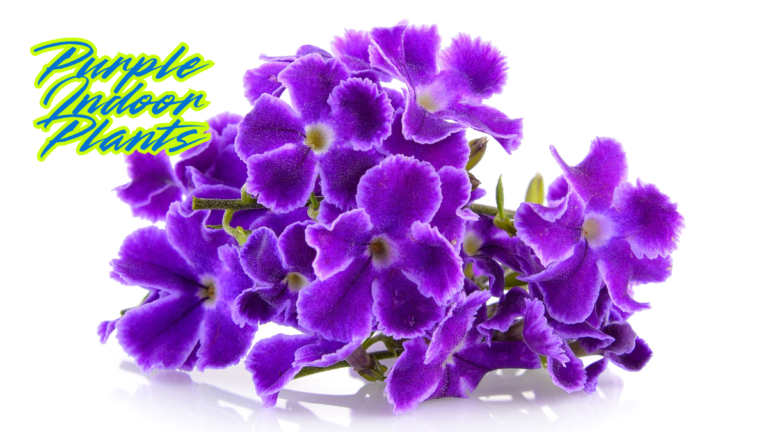
Indoor plants are a fantastic way to bring life and vibrancy into your home, especially during the colder months when outdoor gardening isn’t an option. Among the many color options available, purple indoor plants stand out, offering a variety of shades—from the softest lilacs to deep, bold hues. Whether you’re looking for a subtle pop of color or a statement piece, these plants are perfect for any room in your house.
Why Choose Purple Indoor Plants?
Purple indoor plants do more than just brighten a space—they add a unique, rich touch to your décor. From flowering plants to leafy varieties, purple plants offer a range of textures and shapes. Some are known for their calming effects, while others provide a pop of bold, exotic beauty. Not to mention, many purple plants are low-maintenance, making them ideal for beginners or those who aren’t sure if they have a green thumb.
If you’re looking to add some color to your home with minimal effort, purple indoor plants could be your perfect solution. Let’s dive into the 21 best purple indoor plants that can thrive in your space.
1. Purple Oxalis (Purple Shamrock)
Light: Direct sunlight Water: Every 1-2 weeks Mature Size: 0.5–1 ft. tall, 1–2 ft. wide Difficulty: Low maintenance
The Purple Oxalis, also known as the purple shamrock, is an easy-to-care-for plant that offers rich, deep purple leaves. To get the most out of this plant, place it in direct sunlight. It’s a low-maintenance beauty that adds a moody, elegant touch to any room.
2. Lavender
Light: Full, direct sunlight Water: Once every 10-14 days Mature Size: 1-2 ft. tall, 1-2 ft. wide Difficulty: Low maintenance
Lavender isn’t just for gardens—it’s also a wonderful purple indoor plant. Its fragrant blooms and soft purple leaves can create a relaxing atmosphere in any room. Be sure to place it in a spot with at least 4-6 hours of direct sunlight daily to ensure it thrives.
3. Prayer Plant
Light: Bright, indirect sunlight Water: Every 1-2 weeks Mature Size: 6–12 in. tall, 6–12 in. wide Difficulty: Low maintenance
Prayer plants offer a subtle yet captivating touch with their purple undersides. These plants are great for adding texture and interest to your home. They grow best in indirect light and require minimal watering, making them an excellent option for those who are new to plant care.
4. Rex Begonia
Light: Partial shade Water: Weekly when the top of the soil has dried Mature Size: 12-18 in. tall Difficulty: Low maintenance
Rex begonias are perfect for those seeking purple indoor plants with striking foliage. With burgundy undertones and intricate leaf patterns, these plants add warmth to your space. They thrive in moderate humidity and are relatively easy to care for, requiring only weekly watering.
5. Coleus
Light: Partial shade Water: Regularly Mature Size: 0.5–3 ft. tall, 0.5–3 ft. wide Difficulty: Low maintenance
Coleus is an excellent choice for those who love vibrant colors. With its deep purple hues and lush green leaves, it’s a perfect addition to any indoor garden. Keep this plant out of direct sunlight to prevent its colors from fading, and water it regularly to keep it looking its best.
6. Purple Passion (Gynura aurantiaca)
Light: Bright, indirect sunlight Water: Regularly during active growth Mature Size: 1-2 ft high, vines up to 5 ft long Difficulty: Low maintenance
The Purple Passion plant lives up to its name with its vibrant purple foliage. This plant’s velvety texture and bold color make it a statement piece in any room. Water it regularly during its growing season and place it in bright, indirect sunlight for optimal growth.
7. Calathea
Light: Indirect sunlight only Water: Weekly Mature Size: 1–2 ft. tall, 1–2 ft. wide Difficulty: Moderate maintenance
Calatheas are a favorite among plant enthusiasts for their stunning patterns and vibrant hues. These plants do well in indirect sunlight and require regular watering to keep the soil moist. While they’re a little more demanding than others, they’re still relatively easy to care for.
8. Tradescantia Zebrina (Wandering Jew)
Light: Bright, indirect light Water: When the soil has dried Mature Size: 14 in. tall, 14 in. wide Difficulty: Low maintenance
The Tradescantia Zebrina is known for its striking purple, silver, and green striped leaves. This plant is perfect for any indoor space, requiring minimal attention. It grows well in bright, indirect light and only needs watering when the soil has dried out.
9. Persian Shield
Light: Full, partial sunlight Water: Regularly Mature Size: 3–4 ft. tall, 2–3 ft. wide Difficulty: Moderate maintenance
The Persian Shield offers dramatic purple foliage that adds a touch of royalty to any room. These plants require bright, indirect sunlight and regular watering. To maintain their vibrant color, make sure to keep them consistently moist.
10. Purple Heart (Tradescantia pallida)
Light: Full, direct sunlight Water: When the top of the soil has dried Mature Size: 12-18 in. tall and wide Difficulty: Low maintenance
Purple Heart is a unique and stunning plant with deep purple foliage and soft pink flowers. It thrives in direct sunlight, making it an excellent choice for bright, sunny spots in your home. Water it when the soil dries out, and it will reward you with bold color and easy maintenance.
11. Ti Plant (Cordyline fruticosa)
Light: Partial sunlight Water: When the top inch of soil has dried Mature Size: 2-10 ft. tall, 3–4 ft. wide Difficulty: Moderate maintenance
Ti plants are dramatic and bold, offering sharp, spiky leaves with rich purple hues. These plants are perfect for adding a statement piece to your decor. Keep the soil well-drained and water only when the top inch of soil has dried.
12. Echeveria (Succulent)
Light: Full, direct sunlight Water: When soil has dried Mature Size: 2-24 in. tall, 2-12 in. wide Difficulty: Low maintenance
For succulent lovers, Echeveria is a great option. With their muted purple-pinkish and green stems, they add a soft and natural touch to any indoor space. These drought-tolerant plants are easy to care for, needing only a few hours of direct sunlight and occasional watering.
13. Purple Waffle Plant (Hemigraphis alternata)
Light: Indirect sunlight Water: Keep moist Mature Size: 6 in. tall, 8 in. wide Difficulty: Low maintenance
The Purple Waffle Plant features ridged leaves in deep purple tones, making it an eye-catching addition to any indoor garden. It’s easy to care for, requiring only indirect sunlight and moist soil to thrive. Plus, it produces beautiful white flowers for an added touch of elegance.
14. Moses in the Cradle (Tradescantia spathacea)
Light: Full, partial sunlight Water: When the top two inches are dry Mature Size: 6–12 in. tall, 12–24 in. wide Difficulty: Low maintenance
Moses in the Cradle, also known as oyster plant, is a compact plant with long green leaves and a splash of purple along the edges. It’s easy to care for, needing just full or partial sun and regular watering when the soil starts to dry out.
15. Ruby’s Necklace (Othonna capensis)
Light: Bright, direct sunlight Water: Water when soil begins to dry Mature Size: 2 in. tall, vines downward Difficulty: Low maintenance
Ruby’s Necklace is a striking succulent that features rich purple stems and pinkish-purple leaves. It thrives in full sunlight and requires minimal care. Perfect for smaller spaces, this plant adds drama without the hassle.16. 16.Sweet Potato Vine (Ipomoea batatas)
Light: Full to partial sunlight Water: Regular watering, but allow the soil to dry slightly between waterings Mature Size: 6-10 ft. long (vines) Difficulty: Low maintenance
Sweet Potato Vine is known for its fast-growing vines and rich purple leaves. This plant works well in hanging baskets or as ground cover. It’s incredibly easy to care for and thrives in a variety of lighting conditions, making it an excellent choice for both beginners and seasoned gardeners.
Fuchsia plants are famous for their vibrant, drooping purple and pink flowers. While they do require some maintenance in terms of watering and occasional pruning, they reward you with stunning blooms. A fuchsia plant in a hanging basket or window box can bring a tropical touch to your indoor space.
18. Purple Bell Vine (Codonopsis pumila)
Light: Partial sunlight Water: Regular watering, allow the soil to dry between waterings Mature Size: 4-6 ft. tall (vines) Difficulty: Moderate maintenance
This stunning vine produces bell-shaped flowers in shades of purple. It’s perfect for hanging baskets or trellises, adding a cascading, elegant look to your home. The plant thrives in partial sunlight and needs regular watering. However, it’s a little more particular about humidity levels.
19. Begonia Rex (Rex Begonia)
Light: Bright, indirect light Water: Keep moist, but don’t let it sit in water Mature Size: 8–12 in. tall Difficulty: Moderate maintenance
The Rex Begonia is prized for its striking foliage. Purple veins contrast beautifully against silvery and green leaves, making it a favorite among indoor plant lovers. It needs a moderate amount of care and attention, especially regarding watering and humidity levels.
20. African Violet (Saintpaulia)
Light: Indirect sunlight Water: Water from below to avoid wetting the leaves Mature Size: 6–12 in. tall Difficulty: Moderate maintenance
The African Violet is a classic purple indoor plant known for its vibrant blooms in various shades of purple. This plant prefers indirect light and should be watered carefully to prevent the crown from getting wet. Regular deadheading and careful watering will keep it thriving and blooming throughout the year.
Conclusion
Purple indoor plants bring an exquisite balance of elegance and boldness to any home. From low-maintenance options like the Purple Oxalis to the show-stopping blooms of the Fuchsia, these plants not only provide beauty but also purify the air and enhance the overall mood of a space. No matter your level of expertise or the amount of light your home gets, there’s a perfect purple indoor plant for you. Add some of these stunning options to your home to elevate your indoor garden and enjoy the tranquility they bring.
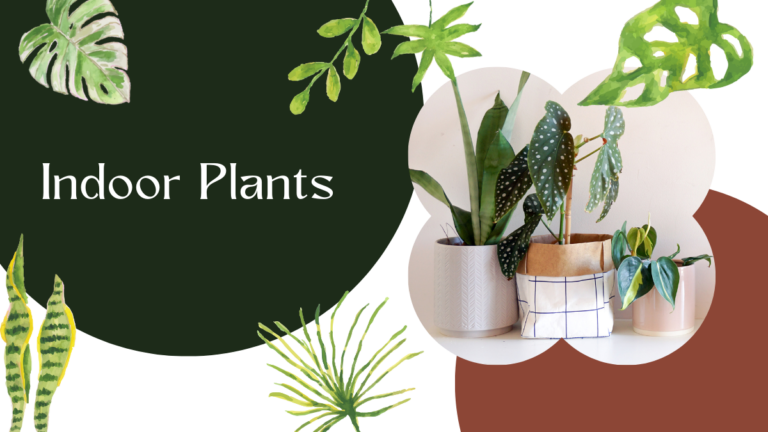
Adding unique indoor plants to your space instantly elevates its aesthetic, infuses it with natural energy, and enhances the air quality. Whether you’re a plant enthusiast or a beginner, choosing the right houseplants can be both exciting and rewarding. Plus, maintaining indoor plants is easier than you think! From low-maintenance succulents to exotic statement pieces, we’ve compiled a list of unique indoor plants that will transform your home.
The Whale Fin Sansevieria is a rare and stunning variety of the snake plant, known for its wide, paddle-like leaves resembling a whale’s fin. This plant is an excellent choice for those seeking a low-maintenance indoor plant that thrives in various lighting conditions. It can tolerate low light but grows best in bright, indirect light. Overwatering is the most common issue with this plant, so it’s best to let the soil dry out completely between waterings. It is also drought-tolerant and does not require frequent misting, making it an excellent option for busy plant owners.
2. Anthurium ‘Veitchii’ (King Anthurium)
The King Anthurium is a true statement plant, featuring massive, elongated, and heavily textured leaves that can grow up to four feet long. Native to tropical rainforests, this plant thrives in high humidity and warm temperatures. It prefers bright, indirect light and requires well-draining soil with good aeration to prevent root rot. Regular misting or using a humidifier will keep the foliage lush and healthy. This plant is ideal for those who want to add an exotic and luxurious touch to their indoor space.
3. Dieffenbachia
Dieffenbachia, also known as the Dumb Cane plant, is an air-purifying houseplant with large, variegated green and yellow leaves. It is relatively low-maintenance and adapts well to different light conditions, though it thrives in bright, indirect light. It requires watering when the top two inches of soil are dry, and it benefits from moderate humidity. While this plant is easy to care for, it is toxic if ingested, making it unsuitable for homes with pets or small children.
4. Alocasia ‘Tiny Dancer’
The Alocasia ‘Tiny Dancer’ is a unique and charming houseplant with delicate, arching stems that resemble a dancer in motion. This plant enjoys bright, indirect sunlight and thrives in high humidity, making it a great choice for bathrooms or kitchens. The soil should be kept moist but never soggy, as overwatering can lead to root rot. With proper care, this plant will reward its owner with striking foliage that adds elegance to any indoor space.
5. Geogenanthus
Geogenanthus is an uncommon indoor plant with thick, deep purple glossy leaves that make it a standout addition to any plant collection. It thrives in low to medium light and does not require excessive watering. Allowing the soil to dry out between waterings helps prevent overwatering issues. This plant is perfect for those looking to introduce a splash of color into their home without needing extensive plant care knowledge.
6. Pink Polka Dot Plant
The Pink Polka Dot Plant is a visually stunning houseplant with small, speckled pink and green leaves. It is compact and thrives in humid conditions, making it a great option for terrariums or small indoor spaces. This plant requires regular watering to keep the soil moist and prefers bright, indirect light to maintain its vibrant color. If grown in low light, the leaf patterns may fade, reducing its visual appeal.
7. Alocasia Melo
Alocasia Melo is a rare Alocasia variety known for its thick, textured leaves that resemble carved stone. It thrives in warm, humid environments and prefers bright, indirect light. It needs well-draining, aerated soil and regular watering when the top inch of soil becomes dry. While this plant requires a bit more attention than others, its unique, structural beauty makes it a favorite among houseplant collectors.
8. Norfolk Pine
Norfolk Pine is a beautiful indoor evergreen that resembles a miniature Christmas tree, making it a popular seasonal plant. Unlike true pines, it thrives indoors with bright, indirect light and moderate humidity. Overwatering is a common issue, so it’s essential to let the topsoil dry out before watering again. This plant adds year-round greenery to indoor spaces and is an excellent choice for those looking for a festive yet long-lasting plant.
Calathea ‘White Fusion’ is an eye-catching tropical plant known for its green and white marbled foliage with hints of purple underneath. It thrives in bright, indirect light and requires high humidity to maintain its vibrant color. This plant prefers well-draining, moisture-retentive soil and should be watered regularly to keep the soil slightly damp. It is sensitive to tap water, so using filtered or distilled water can prevent browning of the leaves.
10. Bay Laurel Tree
The Bay Laurel Tree is a versatile plant that can be grown indoors for its glossy, aromatic leaves, which are commonly used in cooking. It prefers bright, direct sunlight and well-draining soil to prevent root rot. This plant is relatively low-maintenance and requires occasional pruning to maintain its shape. It benefits from moderate humidity but can tolerate drier conditions as well.
11. Wintergreen Berries
Wintergreen Berries is a low-maintenance plant that produces bright red berries, adding a splash of color to your home. It emits a refreshing minty scent when the leaves are crushed. This plant thrives in indirect sunlight and requires minimal watering, making it a great seasonal addition to indoor plant collections.
12. Christmas Cactus
The Christmas Cactus is a unique holiday plant that blooms in late December, producing beautiful pink, red, or white flowers. Unlike desert cacti, it prefers moderate humidity and dappled light. Keeping the soil slightly moist but not waterlogged will ensure healthy growth and prolonged blooms.
13. Moonshine Snake Plant
A modern variation of the snake plant, the Moonshine variety has striking silver-green leaves that set it apart. It is nearly indestructible and thrives in both bright and low-light conditions. Minimal watering is required, making it an excellent option for forgetful plant owners.
14. Purple Passion Plant
The Purple Passion Plant is known for its velvety, deep green leaves with purple undertones. This eye-catching plant thrives in medium to bright indirect light and requires regular watering to maintain its vibrant color. It adds an exotic touch to any indoor space.
15. Red Chinese Evergreen
The Red Chinese Evergreen features lush green leaves with red and pink accents, making it a vibrant addition to any indoor setting. It thrives in indirect light and needs regular watering, but it’s a hardy plant that can tolerate occasional neglect.
16. Bird’s Nest Fern
This fern has wavy, rosette-shaped leaves that add texture to your home decor. Unlike traditional ferns, it holds moisture longer, reducing watering frequency. It thrives in bright, indirect light and enjoys moderate humidity.
17. Zebra Plant
The Zebra Plant is a bite-sized succulent with white-striped, spiky leaves resembling zebra patterns. It thrives in bright, indirect light and requires minimal watering. Due to its compact size, it is perfect for small spaces like desks or windowsills.
18. Majesty Palm
A great statement plant, the Majesty Palm brings a tropical feel indoors. It requires bright, indirect light and high humidity to thrive. Regular misting and well-draining soil help maintain its health, making it a striking but slightly demanding plant.
19. Prayer Plant ‘Beauty Kim’
This plant gets its name from the way its leaves fold up at night, resembling hands in prayer. It does well in low to medium light and enjoys high humidity. Watering should be consistent to keep the soil evenly moist.
20. Monstera Swiss Cheese Plant
With its distinctive hole-filled leaves, this plant is a favorite among houseplant enthusiasts. It thrives in bright, indirect light and requires weekly watering. Over time, it can grow into a large, statement-making plant.
21. Blue Star Fern
The Blue Star Fern has soft, blue-green fronds that add a delicate touch to indoor spaces. It prefers moderate humidity and bright, indirect light. Unlike most ferns, it can tolerate slightly drier conditions.
22. Boston Fern
Boston Ferns are well-known for their air-purifying qualities and lush, feathery fronds. They require high humidity and should be watered frequently. These plants do well in bathrooms or kitchens where moisture levels are higher.
23. Algerian Ivy
Algerian Ivy is a fast-growing vine that is easy to maintain indoors. It prefers shade and regular watering. Pruning is necessary to control its growth and keep it looking tidy.
24. Tricolor Hoya ‘Krimson Queen’
This waxy-leafed vine produces white, green, and sometimes pink leaves. It thrives in bright, indirect light and should be watered sparingly. As a non-toxic plant, it’s safe for pets.
25. Corkscrew Rush
An unusual plant with curly, corkscrew-like stems, this plant thrives in indirect light and consistently moist soil. It adds a fun, architectural element to any indoor garden.
Olive trees can be grown indoors in pots with ample sunlight. They prefer dry conditions and well-draining soil. Pruning helps keep them manageable indoors.
27. Golden Pothos
One of the easiest plants to grow, Golden Pothos has trailing vines with golden-green leaves. It thrives in low to bright light and requires minimal watering. It is an excellent choice for beginners.
28. ZZ Plant
A hardy plant that can tolerate low light and infrequent watering, the ZZ Plant is perfect for beginners. Its thick, waxy leaves store water, making it drought-resistant and highly resilient.
29. Rubber Plant
The Rubber Plant has large, glossy leaves that make it a great decorative houseplant. It thrives in bright, indirect light and requires watering only when the soil is dry.
30. String of Pearls
This cascading succulent has round, bead-like leaves that drape beautifully over the edge of pots. It requires bright, indirect light and occasional watering to keep the soil slightly moist.
31. Pilea
Also known as the Chinese Money Plant, Pilea features round, coin-like leaves. It thrives in bright, indirect light and prefers a “drench-and-dry” watering method.
32. Fiddle Leaf Fig Tree
A popular indoor plant with large, dramatic leaves, the Fiddle Leaf Fig requires bright, indirect light and careful watering. It’s sensitive to overwatering but can thrive when given proper care.
33. Sweetheart Waxplant
A heart-shaped succulent that requires minimal care, this plant does well in bright, indirect light and needs occasional watering.
34. Anthurium
Known for its glossy, heart-shaped flowers, Anthurium needs bright, indirect light and high humidity to bloom regularly.
35. Bird of Paradise
A tropical plant with large, banana-like leaves, Bird of Paradise prefers bright light and regular watering. It adds a bold statement to any home.
36. Sansevieria
Also called Snake Plant, it thrives in low light and requires minimal watering. Its stiff, upright leaves make it a great air purifier.
37. Watermelon Peperomia
This plant has round, striped leaves that resemble watermelons. It thrives in low to bright light and needs occasional watering.
38. Begonia Maculata
Known as the Polka Dot Begonia, this plant has spotted leaves and thrives in bright, indirect light with consistent watering.
39. Air Plants
These plants don’t require soil and absorb moisture from the air. They need occasional soaking and bright, indirect light.
40. Peace Lily
The Peace Lily has elegant, white flowers and thrives in low to medium light. It helps purify the air and requires watering when the soil dries out.
Conclusion:
Adding unique indoor plants to your home is a simple yet effective way to enhance your space. From air-purifying benefits to mood-boosting effects, these plants offer beauty and functionality. Whether you prefer low-maintenance options or statement pieces, there’s a plant for everyone.
The Snake Plant Sansevieria, also known as Mother-in-Law’s Tongue, is a hardy and elegant houseplant that can thrive in a variety of conditions. Native to Africa, it made its way to Europe in the 18th century and has been captivating plant lovers ever since. Known for its sword-like, sculptural leaves and air-purifying qualities, it’s no surprise that the Sansevieria is one of the most popular indoor plants worldwide. Whether you’re a beginner or an experienced plant parent, this low-maintenance beauty deserves a spot in your home.
In this comprehensive guide, I’ll walk you through everything you need to know about the Snake Plant Sansevieria, from potting and watering to light requirements and troubleshooting common issues. Let’s dive into the care tips that will help your snake plant thrive!
What Makes the Snake Plant Sansevieria Special?
Before we jump into care instructions, it’s essential to understand why Sansevieria is such a prized plant. Known for its air-purifying abilities, the Snake Plant can help remove harmful toxins like formaldehyde, benzene, and xylene from the air. It’s one of the few plants that can absorb CO2 at night and release oxygen, making it an excellent addition to any home or office.
But it’s not just about air quality! The striking appearance of its long, upright leaves makes the Snake Plant a stylish addition to any room. Plus, it’s incredibly easy to care for, making it the perfect choice for beginners or anyone who wants to add some greenery without the stress of high-maintenance plants.
Potting Your Snake Plant: The Foundation of Success
When you bring a Sansevieria into your home, the first step is proper potting. Here’s how to set your plant up for success.
Choosing the Right Pot
When selecting a pot for your Snake Plant, it’s essential to choose one with a drainage hole. Sansevierias are highly sensitive to overwatering, and stagnant water at the bottom of the pot can quickly lead to root rot. Terracotta pots are an excellent choice because they are breathable and help the soil dry out faster. However, any pot with proper drainage will work.
Soil Choice: A Must for Healthy Roots
The right soil mix is critical. Snake plants prefer a well-draining soil that allows water to flow through easily, preventing the roots from sitting in moisture. You can purchase a cactus or succulent mix, or you can create your own by adding sand and Perlite to your regular potting soil. Perlite is an excellent addition as it improves aeration and drainage. Avoid using heavy, compact soil, as it will trap too much moisture and lead to root rot.
Optimal Lighting for Snake Plant Sansevieria
One of the most remarkable features of the Snake Plant is its versatility in light conditions. Whether placed in bright, indirect light or a dark corner, the Sansevieria can adapt to its surroundings. However, if you want your plant to thrive, it’s best to place it in bright, indirect light. While it can tolerate low light, it will grow more slowly and may not reach its full potential.
A great rule of thumb:
Bright light = Faster growth and larger leaves.
Low light = Slower growth, but the plant will still survive and remain happy.
Watering Tips: Don’t Overdo It!
Overwatering is one of the quickest ways to kill a Snake Plant. These plants are native to arid climates, so they’re built to withstand drought rather than excessive moisture.
How Often Should You Water?
Water your Snake Plant only when the soil is completely dry. I usually check the soil by sticking my finger into it—if the top few inches are dry, it’s time to water. During the growing season (spring to fall), you may need to water every 2-3 weeks. In the fall and winter months, your plant will need less water, and you can extend the interval to about 4 weeks.
Tip: Never let your plant sit in water. Always ensure that any excess water can drain out of the pot.
Fertilizing Your Snake Plant
Though not particularly needy, the Snake Plant Sansevieria can benefit from occasional fertilization, especially during the growing season. Here’s how to do it right:
Choose the Right Fertilizer: Use a balanced, liquid fertilizer diluted to half-strength. Fertilize at the beginning of spring and again in mid-summer to give your plant a nutrient boost.
Apply Sparingly: Fertilizing too often or using too much fertilizer can cause fertilizer burn, which results in brown leaf tips and yellowing.
Don’t Overdo It: Snake plants are low-maintenance, so they don’t need frequent fertilization. If you’re unsure, it’s safer to skip a feeding rather than overfeed.
Propagating Snake Plants: A Simple Process
The propagation process of Snake Plants is both fun and rewarding. You can propagate your Sansevieria in either water or soil, and the best part is that the new plant is virtually the same as the original one!
Water Propagation
Cut a healthy leaf from the base using clean scissors.
Place the cutting in a glass of water with about 4 inches submerged.
Change the water regularly (every 3-4 days).
Once roots form (typically 3-4 weeks), plant the cutting in well-draining soil.
Soil Propagation
For soil propagation, simply plant the leaf cutting directly in damp soil. Keep the soil lightly moist but not soggy until the roots begin to develop.
Common Issues with Snake Plants and How to Troubleshoot
Although the Snake Plant Sansevieria is easy to care for, occasional issues can arise. Here’s how to handle some common problems.
Problem
Cause
Solution
Yellowing Leaves
Overwatering or root rot
Reduce watering; repot if necessary.
Brown Leaf Tips
Over-fertilization or dry air
Trim the brown tips; avoid overfeeding.
Leggy Growth
Insufficient light
Move to a brighter spot with indirect light.
Pests (Spider Mites)
Presence of tiny insects
Treat with neem oil or insecticidal soap.
Leaf Spots
Fungal or bacterial infection
Remove affected leaves; improve airflow.
Conclusion: Why You Should Add a Snake Plant to Your Home
The Snake Plant Sansevieria is more than just a beautiful houseplant—it’s a hardy, low-maintenance option that offers numerous benefits, including improved air quality, aesthetic appeal, and a touch of greenery in any room. By following these care guidelines, you’ll be able to keep your Snake Plant healthy and thriving for years to come.
Whether you’re a beginner or a seasoned plant enthusiast, the Snake Plant is a perfect companion. Remember, the key is simplicity—don’t overwater, provide adequate light, and choose the right soil. With just a little attention, you’ll enjoy the beauty of this resilient plant and its benefits for your home’s air quality.
FAQs
Q: How often should I water my Snake Plant? A: Water your Snake Plant only when the soil is dry. During the growing season (spring to fall), water every 2-3 weeks. In the winter, reduce watering to once a month.
Q: Can my Snake Plant survive in low light? A: Yes! Snake Plants are highly adaptable and can thrive in low light, though they will grow faster and fuller with brighter, indirect light.
Q: How do I know if my Snake Plant needs to be repotted? A: If you see roots emerging from the drainage holes, it’s time to repot. Typically, Snake Plants need repotting every 2-3 years.
Q: Can I propagate my Snake Plant in water? A: Yes, you can propagate your Snake Plant in water. Simply cut a healthy leaf and place it in water, changing the water every few days until roots form.
Key Takeaways:
Easy Care: The Snake Plant requires minimal care, making it ideal for beginners.
Air Purifying: It can improve your home’s air quality by removing toxins and releasing oxygen.
Adaptable: Thrives in a variety of lighting conditions and is tolerant of drought.
Troubleshooting: Address common issues like overwatering or pests to keep your plant healthy.
By following these straightforward tips, you’ll be well on your way to becoming a Snake Plant pro!
Planting grass seed at the right time of year is essential for achieving a lush, healthy lawn. Whether you are a first-time homeowner or a seasoned gardener, understanding the best season to plant grass seed will help you get the best results. Timing plays a critical role in the success of your lawn, and it varies based on factors like temperature, moisture, and climate.
In this guide, we’ll break down the best times to plant grass seed, how to prepare your lawn, and offer tips to help you avoid common mistakes. We’ll also cover the least ideal times for seeding and why it’s essential to be aware of these windows.
When is the Best Time to Plant Grass Seed?
The best time to plant grass seed largely depends on your region’s climate and the type of grass you want to grow. Grass typically falls into cool-season and warm-season varieties, which each thrive during specific times of the year. Below, we’ll explore the best times for seeding and how you can maximize your efforts.
1. Late Summer to Early Autumn: Most Successful Time
The last five weeks of summer through early autumn is widely regarded as the best time for planting grass seed. Here’s why:
Cooler Temperatures: Day and nighttime temperatures are cooling off, creating a favorable environment for grass seed germination. The reduced heat minimizes stress on new seedlings, allowing them to thrive.
More Dew: With the drop in temperature comes more dew in the morning, providing the much-needed moisture for new grass.
Weed Decline: Annual broadleaf weeds and crabgrass begin to die off during this period, reducing competition for your new grass.
At this time of the year, the conditions are perfect for establishing new turf with minimal competition from weeds and other plants. If you miss this window, you’ll have to wait an entire year before you can plant grass seed again.
2. Mid-Autumn: Closing Window
By mid-October, the window for planting begins to close. While grass seed can still germinate, the timeline becomes more critical.
Root System Development: The most important factor during this phase is the root system, not the grass blades themselves. Early establishment of a robust root system is key to surviving winter and thriving in spring.
Soil Conditions: As the soil begins to cool, it becomes harder for roots to penetrate the ground. This is why it’s important to use grass types like perennial rye, which grow quickly and can establish their roots before the ground freezes.
Though this time is still a good option, it’s riskier. If your soil freezes too early, the new seedlings may not have enough time to establish strong roots, making them vulnerable to harsh winter conditions.
3. Early Spring: Second Best, But Not Ideal
While early spring might seem like a great time to plant grass seed due to cooler temperatures and moisture, there are a few drawbacks to keep in mind:
Weed Control Issues: Pre-emergent crabgrass control products and broadleaf weed treatments can hinder new grass growth. These treatments are necessary for controlling weeds but can harm your fresh seedlings.
Summer Stress: Grass seedlings planted in early spring may struggle during the hot summer months if not properly cared for. The early establishment of the root system can also be compromised due to the warm weather.
If you’re looking to overseed or patch small spots in your lawn, early spring can work, but it’s not the best time to seed your entire lawn. It can be a lot of work to keep the young grass healthy through the summer heat.
4. Late Spring to Summer (May-July): Worst Time for Seeding
Late spring to summer (May through early August) is generally the worst time for planting grass seed. Here’s why:
Heat and Drought: Grass seed struggles to establish during the heat of late spring and early summer, especially if you’re in an area with high temperatures and drought conditions.
Increased Weed Competition: Crabgrass and other weeds thrive in these conditions, making it difficult for new grass to take root. Additionally, the seeds face competition from established vegetation, which can hinder growth.
Slow Germination: Seeds sown in summer can take longer to germinate due to the high heat and dry conditions.
While it’s still possible to seed during this time, it’s not ideal. Grass planted in these conditions will face an uphill battle and may not establish a strong foundation for the following seasons.
Grass Seed Planting Process
Now that you know the best time to plant grass seed, let’s walk through the process of planting your seed for a successful lawn.
1. Choose the Right Grass Seed for Your Region
There are two main types of grass: cool-season and warm-season. Cool-season grasses like Kentucky bluegrass, perennial ryegrass, and fescue thrive in cooler climates, making them ideal for fall and early spring planting. Warm-season grasses like Bermuda, Zoysia, and St. Augustine thrive in hot climates and are best planted in late spring or early summer.
2. Prepare Your Lawn
Preparation is key to successful grass seeding. Follow these steps to prepare:
Aerate the Soil: Aerating your lawn ensures the soil is loose enough for seeds to penetrate. This also improves water and nutrient absorption.
Remove Debris and Weeds: Clear any debris or dead grass and remove existing weeds to prevent competition for resources.
Level the Soil: Use a rake to level any uneven spots in your lawn. If necessary, add topsoil to fill in low areas.
3. Spread the Grass Seed
Once your lawn is prepared, it’s time to spread the seed. Use a broadcast spreader to ensure an even distribution. Be sure to follow the recommended seeding rate for your specific grass type.
4. Water and Care for Your Lawn
After planting the seeds, water them thoroughly. Keep the soil consistently moist until the grass is established. Avoid over-watering, which can drown the seeds and promote fungal growth.
Pros and Cons of Planting Grass Seed in Different Seasons
Season
Pros
Cons
Late Summer to Early Fall
Ideal for root establishment, minimal weed competition, cooler temps.
Shorter days, risk of frost if seeding too late.
Mid-Autumn
Still time to establish roots, cooler temps, less weed competition.
Limited growth before freezing weather.
Early Spring
Moisture-rich, cooler temps for germination.
Weeds may harm young grass, higher risk of summer stress.
Late Spring to Summer
Possible to seed, especially for small patches.
Heat, drought, and weeds make it challenging for seeds to establish.
Conclusion
The best time to plant grass seed depends on your local climate, the grass variety, and the specific conditions of your lawn. In general, the late summer to early autumn period offers the most favorable conditions for planting grass, with cool temperatures, increased moisture, and reduced competition from weeds. Mid-autumn is a close second, but you risk insufficient root development if it freezes too early. Early spring can work for patching up small areas, but it has its challenges with weeds and summer stress. Finally, late spring and summer should be avoided if possible, as they present the most significant hurdles to successful grass seeding.
By choosing the right time and preparing your lawn correctly, you’ll set yourself up for a beautiful, thriving lawn that lasts year after year.
FAQs
Q: Can I plant grass seed in the summer? A: It’s not recommended to plant grass seed in summer due to the heat and drought conditions. Grass struggles to establish in such environments and may not survive.
Q: How long does it take for grass seed to germinate? A: Germination times vary by grass type. Kentucky bluegrass may take 4-6 weeks, while perennial ryegrass typically germinates in 1-2 weeks.
Q: Can I plant grass seed in the winter? A: It’s not ideal to plant grass seed in the winter as the soil is often too cold for seed germination. If you plant in late autumn, ensure the seeds have time to establish before frost.
Q: Should I water newly planted grass seed? A: Yes, keep the soil consistently moist until the grass is established. Avoid over-watering, which can cause seed rot or fungal issues.
Flowers have been a part of human life for centuries. From symbolizing love to celebrating special moments, flowers play a role in nearly every event, big or small. A bouquet of flowers can instantly brighten someone’s day or express emotions that words often can’t convey. But if you’ve ever wondered, “how much do flowers cost?” you’re not alone.
In this article, we’ll explore the factors that determine the cost of flowers, types of flowers, seasonal price variations, and how to find the best deals. Whether you’re looking to buy a bouquet for a loved one, decorate an event, or simply add a pop of color to your home, we’ve got you covered.
Factors Affecting the Cost of a Bouquet
The cost of a bouquet of flowers can vary significantly depending on several key factors. Understanding these factors will help you make an informed decision when purchasing your bouquet.
Type of Flowers Different flowers have different prices. For example, roses are often more expensive than daisies or lilies, and exotic flowers like orchids or tropical blooms can also come with a higher price tag.
Size of the Bouquet The larger the bouquet, the more expensive it will be. A small, simple bouquet will typically cost less than an elaborate one with multiple types of flowers and greenery.
Seasonality Some flowers are only available at certain times of the year. Flowers that are in season will generally be more affordable, while those that are out of season may cost more due to limited availability.
Complexity of the Arrangement A basic arrangement with a single type of flower is less expensive than a bouquet with a variety of flowers and intricate designs. The more time and effort required to create the bouquet, the higher the cost.
Delivery and Add-On Costs If you’re buying flowers online or having them delivered, don’t forget to factor in delivery fees. Some florists may also offer extra add-ons like vases, chocolates, or balloons, which can add to the final price.
Types of Flowers and Their Prices
Understanding flower prices helps you plan your budget. Here’s a breakdown of common flowers and their typical price range per stem:
Flower Type
Average Cost per Stem
Notes
Roses
$1 – $20
Classic, romantic; price depends on variety and color
Carnations
$0.25 – $3
Budget-friendly; perfect for filling bouquets
Lilies
$2 – $5
Fragrant and elegant, ideal for large bouquets
Tulips
$1 – $10
Bright and cheerful, great for spring arrangements
Orchids
$5 – $30
Exotic and luxurious, can be expensive
Succulents
$5 – $15
Trendy and low-maintenance, perfect for modern arrangements
Seasonal Pricing Variations
The price of flowers can fluctuate depending on the season. Here’s a quick overview of how flower prices vary throughout the year:
Spring: This is the prime season for many popular flowers like tulips, daffodils, and peonies. Prices tend to be moderate during this time as flowers are in full bloom.
Summer: Expect affordable prices for sunflowers, daisies, and other hardy blooms. However, specialty flowers like orchids may be slightly more expensive.
Fall: A great time for seasonal flowers like chrysanthemums and asters, which tend to be priced lower. But some flowers, like roses, may become pricier if they’re out of season.
Winter: Many flowers become scarce, especially if you’re looking for tropical or warm-weather varieties. Expect to pay more for roses, lilies, and other traditional flowers during this season.
Specialty Bouquets and Their Cost
In addition to regular bouquets, florists also offer specialty arrangements that cater to specific occasions or preferences. These bouquets often come at a premium price due to their unique nature or the quality of flowers used.
Bouquet Type
Average Cost Range
Description
Luxury Bouquet
$100 – $200
Features premium flowers like high-quality roses or lilies, ideal for special occasions
Color-Themed Bouquet
$40 – $150
Customizable to match specific color schemes for birthdays, anniversaries, etc.
Tropical Bouquet
$50 – $150
Includes exotic flowers like orchids, anthuriums, and other tropical varieties
Succulent Bouquet
$25 – $75
A modern twist with succulents, often designed for long-lasting arrangements
Customized Bouquet
$30 – $200
A personalized bouquet based on the recipient’s preferences or the occasion
Online Flower Retailers vs. Local Florists
When it comes to purchasing flowers, you have two main options: online retailers or local florists. Here’s a comparison to help you decide which is best for your needs.
Online Retailers:
Price Range: $30 – $100+
Convenience: Order from the comfort of your home and have the bouquet delivered directly to your door.
Delivery Fees: Many online florists charge delivery fees, but you may find deals offering free delivery on orders over a certain amount.
Variety: Online retailers often have a wide selection of flowers, and many offer discounts during special events or holidays.
Local Florists:
Price Range: $25 – $100
Personalization: Many local florists allow for customization, helping you create a truly one-of-a-kind bouquet.
Delivery Fees: Local florists may also charge delivery fees, but you might find better rates based on proximity.
Availability: Local florists may have access to fresher flowers, especially if they source them from local growers.
Add-On Costs to Consider
When purchasing flowers, there are several add-on costs you may want to consider, including:
Delivery Fees: Many florists charge delivery fees, which can range from $5 to $15 depending on the distance.
Sales Tax: Just like any purchase, flowers are subject to sales tax. The rate varies depending on your location.
Customization Options: Some florists offer additional customization like adding chocolates, wine, or balloons, which can increase the cost of your bouquet.
Vases or Containers: If you need a vase or container to accompany your flowers, be prepared to pay extra for these items.
Average Cost of a Bouquet
The average cost of a bouquet of flowers can vary widely depending on the factors we’ve discussed. On average, you can expect to pay around $35 for a standard bouquet. For something more elaborate, you might spend $75 to $150. Luxury bouquets or specialty arrangements could cost $200 or more.
Tips for Saving Money on Flowers
Flowers are a beautiful way to show someone you care, but they don’t have to break the bank. Here are some tips for saving money:
Look for Seasonal Flowers: Stick to flowers that are in season to take advantage of lower prices.
Order in Bulk: If you need multiple bouquets, ordering in bulk can help you save on each arrangement.
Check for Discounts: Many florists offer discounts, especially during holidays like Valentine’s Day or Mother’s Day.
Compare Prices: Shop around to find the best deal. Online florists often offer promotions and free delivery options.
DIY Bouquets: Consider buying loose flowers and creating your own bouquet. It’s cost-effective and allows for full customization.
Pros and Cons of Buying Flowers
Pros
Cons
Quick way to brighten someone’s day
Can get expensive for premium flowers
Wide variety of flowers available
Delivery fees may increase total cost
Customizable for any occasion
Seasonal price fluctuations
A thoughtful and personal gift
Requires some planning for special events
Conclusion
Flowers are a timeless and thoughtful gift, but understanding the cost of flowers can help you make a well-informed decision when it comes to purchasing. Whether you’re buying roses, lilies, or tropical blooms, be sure to consider the factors that influence price, such as the type of flower, bouquet size, and seasonal variations.
By following a few money-saving tips and shopping around, you can find beautiful bouquets that fit your budget. Whether you choose an online retailer or a local florist, there are plenty of options to help you get the perfect bouquet without overspending.
FAQs
How much do flowers cost on average? The average cost of a bouquet is around $35, but this can vary depending on the type, size, and location.
What factors influence the price of flowers? Factors include flower type, bouquet size, seasonality, complexity of the arrangement, and delivery fees.
How can I save money when buying flowers? Look for seasonal flowers, check for discounts, and consider ordering in bulk to save on costs.
Are there additional costs when buying flowers? Yes, delivery fees, customization options, and add-ons like vases or chocolates can add to the total cost.
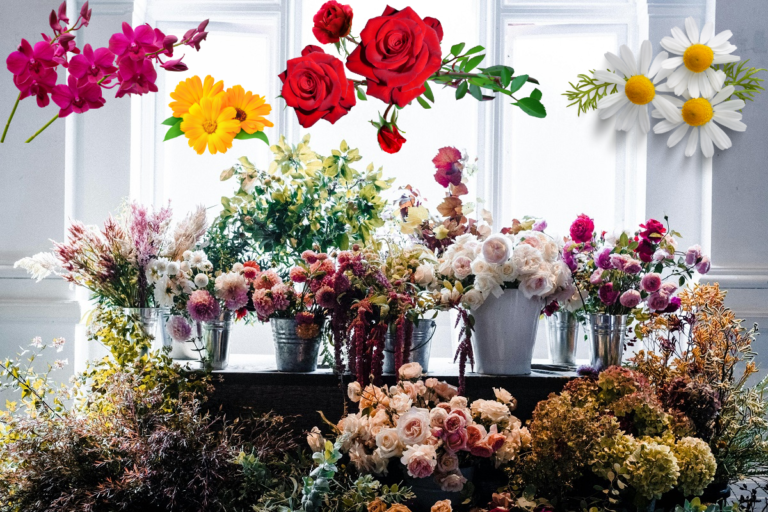
Fresh cut flowers are an excellent way to brighten up any room. Whether you’ve received them as a gift or brought them home from the store, you want to ensure they last as long as possible. The good news is, with a few simple steps, you can help your fresh flowers stay vibrant and beautiful for days, if not longer. This guide provides expert tips and proven techniques on caring for your fresh cut flowers, from the first steps after bringing them home to extending their lifespan.
First Steps to Take with Fresh Cut Flowers
When you bring fresh cut flowers into your home, there are a few initial steps that will help them last longer:
Choose the Right Vase
Select a clean vase that’s the right size for your bouquet. Avoid cramming a large bouquet into a small-necked vase or letting a thin-stemmed bouquet drift in a wide-mouthed container. The vase should support the flowers and match their stem length. This helps the stems stay in place and upright.
Trim the Stems
Before placing your flowers in the vase, trim about 1 to 2 inches off each stem using sharp shears or scissors. Cut at a 45-degree angle to increase the surface area for water absorption. Make sure to avoid crushing the stems. A clean, sharp cut will help them absorb water more effectively.
Remove Excess Foliage
Strip off any leaves that might fall below the waterline. Leaves submerged in water can cause bacteria to grow and accelerate wilting. By removing these, you’ll keep the water clean and your flowers fresh.
Where to Place Your Fresh Flowers
The placement of your flowers can significantly impact their longevity. Follow these tips to choose the best spot for them:
Avoid Direct Sunlight
While fresh flowers look beautiful in the sunlight, too much direct sunlight can cause them to wilt faster. Instead, please place them in a location with indirect sunlight or shade.
Keep Them Cool
Flowers thrive in a calm environment. The ideal temperature for cut flowers is between 65°F and 73°F (18°C and 23°C). Avoid placing them near heat sources such as radiators, stoves, or electronics like microwaves and televisions, as heat can cause them to dehydrate quickly.
Good Air Circulation
A well-ventilated area is suitable for flowers, but avoid placing them directly under air conditioning vents, ceiling fans, or near open windows. These can dry out the flowers and speed up their wilting.
Avoid Fruit
Keep fresh flowers away from fresh fruit, as fruit releases ethylene gas, accelerating the wilting of flowers.
Prune Leaves Below the Waterline
Any leaves that fall below the waterline should be removed promptly. These submerged leaves can cause bacterial growth and compromise the freshness of your flowers.
How to Feed and Water Your Fresh Flowers
Providing the proper nutrients and maintaining clean water is essential to keeping your flowers healthy and vibrant.
Flower Food is Key
Use a commercial flower food mixture that includes sugar, acidifiers, and a biocide to nourish and preserve your flowers. Mix the flower food into the water before adding it to the vase. Don’t dilute it too much—use the recommended amount, typically one packet of flower food per 1 quart of water.
Regular Water Changes
Change the water every 2-3 days to prevent bacteria buildup and hydrate the flowers. When you change the water, rinse the vase thoroughly to remove any debris or bacteria.
Use Lukewarm Water
Always use lukewarm water when filling the vase, as cold or hot water can stress the flowers and shorten their lifespan.
Add Vodka for a Longer Life
A few drops of vodka in the water can slow down the aging process of flowers by preventing the production of ethylene gas, which causes wilting. The alcohol acts as a preservative, extending the life of your fresh flowers.
Separate Toxic Flowers
Some flowers, like hyacinths, daffodils, and lilies, release harmful toxins into the water. These chemicals can harm other flowers in the same vase. Keep these flowers in separate containers for at least 24 hours before combining them with different blooms.
Extending the Life of Your Fresh Flowers
With consistent care, you can keep your fresh flowers looking great for an extended period. Here are a few additional tips to ensure they last as long as possible:
After 2-3 days, remove your flowers from the vase, rinse their stems, and trim another inch or so at a 45-degree angle. This helps the flowers absorb more water. Freshly cut stems also prevent air bubbles from forming inside, hindering water uptake.
Re-trim the Stems
Clean the Vase Regularly
Wash the vase thoroughly whenever you change the water to prevent bacteria from growing. If you don’t clean the vase, the buildup of bacteria can harm the flowers and reduce their lifespan.
Remove Wilting Flowers
Regularly remove any wilted flowers or leaves from the bouquet. As flowers age and die, they can produce bacteria that affect the health of the rest of the bouquet. Removing them ensures the rest of your flowers stay fresh longer.
FAQs on How to Help Fresh-Cut Flowers Keep Longer
How often should I change the water for my fresh-cut flowers?
You should change the water every two to three days. This helps prevent the growth of bacteria, keeps the water clean, and prolongs the life of your flowers.
Can I use tap water for my flowers?
Yes, you can use tap water, but let it sit for a few hours to allow any chlorine or chemicals to dissipate. Alternatively, filtered water is a great option to keep your flowers hydrated longer.
What’s the best temperature for keeping fresh-cut flowers?
The best temperature range is between 65°F and 73°F (18°C and 23°C). Avoid placing flowers in hot environments or near heat sources, as this can cause them to wilt quickly.
Can I use sugar or other homemade solutions to feed my flowers?
You can mix a teaspoon of sugar with a quart of water as a homemade flower food solution. However, commercial flower food packets are specifically formulated to extend the life of your flowers and are usually more effective.
Why do some flowers need separate vases?
Certain flowers like hyacinths and daffodils release toxins into the water, harming other flowers. Placing these flowers in separate vases for the first 24 hours is best.
How can I prevent my flowers from wilting too quickly?
Place your flowers in a cool, shaded spot, change the water regularly, trim the stems, and use flower food to provide nutrients. Keeping your flowers away from heat and sunlight will also help slow wilting.
Should I remove the leaves from my flowers?
Yes, remove any leaves that fall below the waterline, as they can rot and contribute to bacterial growth. Keeping the water clean and free from decaying plant matter will extend the life of your flowers.
Is it okay to place my flowers in direct sunlight?
It’s best to avoid placing fresh-cut flowers in direct sunlight. Excessive heat will dehydrate the flowers quickly, leading to faster wilting.
How long can fresh-cut flowers last?
Most fresh-cut flowers will last between 5 to 10 days with proper care. Some varieties, like carnations, may last longer, while delicate flowers like tulips or lilies may start to wilt sooner.
What do I do if my flowers start to wilt?
Trash the stems again if your flowers start wilting, and refresh the water. Changing the water, cleaning the vase, and re-cutting the stems help the flowers revive and absorb water.
Conclusion
Fresh-cut flowers can bring beauty and joy into your home, but they require some care to stay fresh and vibrant for as long as possible. By following the simple yet effective steps outlined in this guide, you can extend the life of your flowers and enjoy their beauty for many days. Remember, the key to maintaining fresh-cut flowers is to provide clean water, proper nutrients, a calm environment, and regular maintenance.
With a bit of attention and care, your flowers will stay beautiful, vibrant, and fragrant—bringing joy to your home for an extended period.
Gardening enthusiasts know that one of the joys of growing flowers is cutting them to create beautiful arrangements. Whether decorating your home, gifting someone a bouquet, or planning a wedding, having a garden full of vibrant cut flowers can transform any occasion. But with so many options, knowing which flowers make the best-cut specimens is crucial. In this article, we’ll explore the top-cut flowers for your garden to ensure you have the freshest and most long-lasting blooms for your arrangements.
1. Ageratum: The Floss Flower
Botanical Name:Ageratum houstonianum
Ageratum, often known as the Floss Flower, is a staple in any cutting garden. These vibrant flowers, with their fuzzy, soft petals, come in shades of lavender and purple, adding a unique texture to your floral arrangements. Perfect for bouquets, they stand out and last longer than many other blooms.
Why Choose Ageratum?
Low-maintenance and easy to grow.
It is ideal for both beginner and experienced gardeners.
They provide a soft, fluffy texture in any bouquet.
2. Allium: A Bold and Elegant Flower
Botanical Name:Allium
Allium flowers are often associated with onions and garlic, but don’t let that fool you. These ornamental flowers feature striking spherical heads, often in shades of purple or white, that add an architectural flair to any arrangement. Whether you’re crafting a modern or rustic bouquet, alliums elevate the look with their bold yet refined appearance.
Why Choose Allium?
Unique spherical blooms are eye-catching.
Adds texture and volume to floral arrangements.
Great for attracting pollinators like bees.
3. Aster: The Daisy-Like Beauty
Botanical Name:Astereae
Asters, with their star-shaped flowers, bloom from late summer to fall and come in an array of colours, including purple, pink, red, and white. Their daisy-like structure and bright hues make them a perfect addition to any cutting garden. Not only do they brighten up your space, but they’re also ideal for adding that extra pop of colour to your bouquets.
Why Choose Aster?
Long blooming season from late summer to fall.
There is a variety of colours to choose from.
Perfect for casual and elegant arrangements alike.
4. Bird of Paradise: Exotic Elegance
Botanical Name:Strelitzia reginae
If you’re looking for something exotic, the Bird of Paradise is a must-have for your cutting garden. Known for its vibrant, bird-like flowers, this plant adds a tropical flair to your arrangements. Its striking orange and blue hues are perfect for creating bold, unique bouquets.
Why Choose Bird of Paradise?
It has an unusual and striking shape.
It adds a touch of the tropics to any space.
Excellent focal flower for dramatic bouquets.
5. Black-Eyed Susan: Cheerful and Bright
Botanical Name:Rudbeckia hirta
Black-eyed Susans are quintessential American wildflowers, often dotting open fields from June to October. Their bright yellow petals and dark centres make them ideal for adding warmth and cheer to any bouquet. These flowers are hardy, easy to grow, and last well in vases, making them a gardener’s favourite.
Why Choose Black-Eyed Susan?
Easy to grow and very low-maintenance.
Hardy flowers that last in vases.
Bright, sunny appearance perfect for all types of arrangements.
6. Blazing Star: Tall and Majestic
Botanical Name:Liatris spicata
Blazing Star, also known as Gayfeather, is a stunning cut flower with tall, spiky purple, pink, or white blooms. These flowers are excellent for adding height and drama to your flower arrangements. Their unique form and colour make them stand out as a focal point in any bouquet.
Why Choose Blazing Star?
Tall, spiky blooms that add vertical interest.
Beautiful colour variety.
It attracts butterflies, making it a tremendous pollinator-friendly plant.
7. Ranunculus: Romantic and Lush
Botanical Name:Ranunculus
Ranunculus is a flower of choice for florists and event planners, especially for weddings. These blooms, with their layers of delicate, rose-like petals, come in various colours, including white, yellow, pink, and red. Their lush, soft texture makes them perfect for creating romantic, elegant bouquets.
Why Choose Ranunculus?
Gorgeous, multi-layered petals.
Perfect for formal arrangements like weddings.
Available in a variety of rich colours.
8. Carnations: Classic and Elegant
Botanical Name:Dianthus caryophyllus
Carnations have long been a staple in floral arrangements, particularly for their versatility and lasting power. With their ruffled petals and wide range of colours, carnations are perfect for adding texture and volume to any bouquet. Whether you’re making a traditional or modern arrangement, carnations never go out of style.
Why Choose Carnations?
Affordable and long-lasting.
Available in nearly every colour.
Excellent filler flowers for bouquets.
9. Chinese Lantern: Unique and Vibrant
Chinese lantern Lily (Physalis alkekengi)
Botanical Name:Physalis alkekengi
Chinese Lantern flowers have a unique look. They have papery, lantern-shaped pods that turn bright orange when mature. These flowers make a fantastic addition to bouquets, giving them a bold pop of colour and texture. They are especially striking when combined with other fall blooms.
Why Choose Chinese Lantern?
Unique, lantern-like pods.
Bright, striking colour.
Adds texture and interest to bouquets.
10. Cosmos: Delicate and Elegant
Botanical Name:Cosmos bipinnatus
Cosmos are delicate, dainty flowers with finely divided leaves and various colours, including pink, red, and white. Their airy, light appearance makes them perfect for whimsical arrangements. Cosmos also bloom profusely, ensuring a steady supply of flowers for your bouquets throughout the growing season.
Why Choose Cosmos?
A delicate, airy look is perfect for whimsical arrangements.
Easy to grow and maintain.
Blooms throughout the growing season.
11. Daffodil: Majestic and Graceful
Botanical Name:Narcissus.
Delphiniums are towering beauties that add an air of elegance to any garden. Their tall spikes of flowers in shades of blue, purple, pink, and white are a standout in any bouquet. The flowers bloom in early summer and last throughout the season, making them ideal for cutting.
Why Choose Delphinium?
Tall and dramatic with vibrant colours.
Perfect for adding vertical interest to bouquets.
Long-lasting in vases.
12. Dahlia: Bold and Beautiful
Botanical Name:Dahlia pinnata
Dahlias are adored for their showy, multi-layered blooms and wide range of colours—from deep reds to pastel pinks. These flowers are incredibly versatile in arrangements, whether you’re looking for a striking centrepiece or a soft, romantic bouquet.
Why Choose Dahlia?
Large, full blooms that make an impact.
Available in a variety of colours, shapes, and sizes.
Excellent for late summer to fall arrangements.
13. Gladiolus: Tall and Impressive
Botanical Name:Gladiolus hortulanus
Gladiolus flowers are well-known for their tall, sword-like stalks adorned with colourful blooms. They can grow to over four feet tall, making them ideal for adding height and drama to flower arrangements. Their vibrant hues and unique shape make them perfect for any garden.
Why Choose Gladiolus?
Tall and dramatic, adding height to bouquets.
Perfect for summer arrangements.
Available in many colours, including pink, white, and red.
14. Heather: Soft and Subtle
Botanical Name:Calluna vulgaris
Heather is often associated with serene landscapes, and its delicate flowers come in purple, pink, and white shades. It adds a soft, airy texture to bouquets and pairs wonderfully with other wildflowers and greenery. Its long-lasting qualities make it a favourite for both indoor and outdoor displays.
Why Choose Heather?
Gentle, delicate appearance.
Great for rustic, wildflower-inspired bouquets.
Hardy and long-lasting.
15. Lace Flower: Full and Fabulous
Botanical Name:Ammi majus
Lace Flower are popular for their large, globe-like flower heads in shades of blue, pink, white, and purple. Their appearance and ability to change colour based on soil acidity make them a unique addition to any garden. Perfect for large arrangements, they add volume and beauty to any bouquet.
Why Choose Hydrangea?
Large, showy blooms are perfect for centrepiece arrangements.
Versatile in colour and texture.
Lasts long in vases and containers.
16. Larkspur: Graceful and Elegant
Botanical Name:Delphinium
Larkspur is known for its delicate, spiky lavender, blue, and pink flowers. It grows tall, adding elegance and a graceful touch to any arrangement. It pairs exceptionally well with other cottage garden flowers and looks stunning in modern and traditional bouquets.
Why Choose Larkspur?
Tall and elegant with spiky flowers.
Long-lasting in floral arrangements.
Great for both formal and informal bouquets.
17. Lavender: Fragrant and Timeless
Botanical Name:Lavandula angustifolia
Lavender is the perfect flower for creating both aromatic and visual beauty. Known for its calming fragrance and purple spikes, lavender is not only lovely to look at but also perfect for bouquets and home décor. Its fragrance lasts long in vases, filling any room with a pleasant scent.
Why Choose Lavender?
Fragrant and aromatic, perfect for home décor.
Attractive purple blooms.
Excellent for making dried arrangements.
18. Large-flowered Tickseed: Sweet and Fragrant
Botanical Name:Coreopsis Grandiflora
Large-flowered Tickseed are beloved for their fragrant purple or white clusters of flowers. These blooms are perfect for spring bouquets and add a touch of nostalgia to any arrangement. The soft, sweet fragrance makes them a favourite for brides and gardeners.
Why Choose Lilac?
A sweet fragrance that fills the room.
Beautiful clusters of blooms in spring.
Perfect for adding a romantic touch to bouquets.
19. Lily of the Incas: Elegant and Soft
Botanical Name:Alstroemeria
Lily is often compared to a delicate rose because of its soft, layered petals and elegant appearance. Lisianthus flowers are available in various colours, such as purple, white, and pink, perfect for sophisticated bouquets and wedding arrangements.
Why Choose Lisianthus?
Soft, rose-like appearance.
Excellent for weddings and special events.
Long-lasting and beautiful in arrangements.
20. Love-in-a-Mist: Unique and Whimsical
Botanical Name:Nigella damascena
Love-in-a-Mist is a whimsical flower with delicate, spiky foliage surrounding its striking blue, pink, or white blooms. This flower is perfect for a wildflower-inspired bouquet or garden and pairs beautifully with other soft, romantic flowers.
Why Choose Love-in-a-Mist?
Unique, feathery foliage adds texture.
Lovely for creating rustic, cottage-style arrangements.
Easy to grow and maintain.
21. Marigold: Bright and Bold
Botanical Name:Tagetes spp.
Marigolds are one of the brightest flowers in the garden, offering vibrant shades of yellow, orange, and red. These cheerful blooms are hardy and easy to grow, making them a perfect addition to your cutting garden. They’re great for adding a pop of colour to small and large arrangements.
Why Choose Marigold?
Bright, vibrant colours.
Excellent for border gardens.
Easy to grow and care for.
22. Nasturtium: Colorful and Edible
Botanical Name:Tropaeolum majus
Nasturtiums are beautiful and edible, making them a unique addition to your cutting garden. Their round, vibrant flowers come in shades of orange, yellow, and red, while their leaves contrast beautifully in bouquets. Nasturtiums also attract beneficial insects like aphid-eating predators.
Why Choose Nasturtium?
Edible flowers that add colour and flavour.
Bright, cheerful blooms.
Easy to grow and attracts pollinators.
23. Orchid: Exotic and Luxurious
Botanical Name:Orchidaceae
Orchids are exotic, luxurious flowers that make a bold statement in any floral arrangement. Available in various colours, from vibrant reds and purples to soft pastels, orchids symbolize beauty and refinement. They make for an elegant touch in both modern and tropical bouquets.
Why Choose Orchid?
Exotic and luxurious look.
Perfect for high-end arrangements.
It lasts well in vases, making them a great addition to long-lasting bouquets.
24. Poppy: Bold and Colorful
Botanical Name:Papaver spp.
Poppies are one of the most iconic flowers, with their striking red, orange, and pink blooms. Their delicate, paper-like texture makes them stand out in any bouquet, and they are often used for creating bold, dramatic floral arrangements.
Why Choose Poppy?
Bold, colourful blooms that make a statement.
Great for adding drama to bouquets.
It is ideal for creating vibrant arrangements.
25. Ranunculus: Romantic and Lush
Botanical Name:Ranunculus spp.
Ranunculus is known for its tightly packed, multi-layered petals that resemble roses. The blooms are often vibrant red, pink, yellow, and white, making them perfect for romantic bouquets and wedding flowers. Their soft, lush texture creates a stunning visual effect.
Why Choose Ranunculus?
Gorgeous, multi-layered petals.
Ideal for romantic or formal arrangements.
It is a beautiful choice for spring bouquets.
26. Roses: Classic and Timeless
Botanical Name:Rosa spp.
No list of cut flowers would be complete without the classic rose. Roses come in various colours, shapes, and sizes, making them versatile for any floral arrangement. They are perfect for everything from weddings to casual bouquets and are a timeless symbol of love and beauty.
Why Choose Roses?
Classic, timeless beauty.
Available in every colour imaginable.
It lasts well in vases and makes a statement in arrangements.
27. Salvia: Bold and Colorful
Botanical Name:Salvia spp.
Salvia flowers are known for their vibrant blue, purple, and red hues, which make them perfect for adding a bold pop of colour to floral arrangements. Their tall, spiky form creates a striking vertical element that works well in formal and casual bouquets.
Why Choose Salvia?
Vibrant colours and unique spiky structure.
Great for adding height to bouquets.
Easy to grow and long-lasting in vases.
28. Snapdragon: Playful and Tall
Botanical Name:Antirrhinum majus
Snapdragons are one of the most playful flowers you can grow. They have tall spikes of tubular flowers that “snap” open when pinched. They come in various colours, including red, pink, yellow, and white, making them a favourite for adding fun and drama to any bouquet.
Why Choose Snapdragon?
Unique “snap” flowers that add character.
Tall and colourful spikes are perfect for floral arrangements.
Available in a wide range of hues.
29. Scabiosa: Long-Lasting and Hardy
Botanical Name:Scabiosa
Scabiosa flowers are hardy, vibrant blooms perfect for fresh and dried arrangements. They come in shades of purple, yellow, pink, and white and add texture and colour to bouquets. Statice is known for its long-lasting qualities, so it’s often included in dried floral arrangements.
Why Choose Scabiosa?
Drought-tolerant and easy to grow.
Excellent for both fresh and dried arrangements.
Long-lasting blooms in vibrant colours.
30. Stock: Fragrant and Full
Botanical Name:Matthiola incana
Stock flowers are beloved for their sweet fragrance and dense clusters of blooms. They come in various colours, including white, pink, purple, and red, and add a lovely scent and texture to any bouquet. Stock flowers are great for creating a classic, elegant arrangement.
Why Choose Stock?
A sweet fragrance that fills the room.
Full, dense flower heads.
Available in various colours, it is perfect for all types of arrangements.
31. Sunflower: Cheerful and Bold
Botanical Name:Helianthus annuus
Sunflowers are instantly recognizable for their large, golden blooms with dark centres. They symbolize warmth and happiness, making them perfect for creating vibrant, cheerful bouquets. They are a favourite for summer arrangements and have a timeless appeal.
Why Choose Sunflower?
Bright, cheerful blooms that make a bold statement.
Great for adding warmth and joy to any bouquet.
Easy to grow and long-lasting in vases.
32. Sweet Pea: Fragrant and Soft
Botanical Name:Lathyrus odoratus
Sweet peas are known for their soft, pastel-coloured flowers and incredible fragrance. Available in shades of pink, lavender, and white, they add a romantic, vintage feel to bouquets. Due to their delicate beauty and sweet scent, sweet peas are often used in weddings.
Why Choose Sweet Pea?
Soft, romantic blooms are perfect for weddings and special occasions.
A sweet fragrance that lingers.
Elegant, pastel colours.
33. Gerbera Daisy: Bright and Resilient
Botanical Name:Gerbera jamesonii
Known for their vibrant orange blooms, Tithonias, or Mexican sunflowers, they are great for adding a bold colour to your cutting garden. These heat-tolerant flowers bloom profusely in the summer and make a striking addition to bouquets with their intense, bright hues.
Why Choose Tithonia?
Bright orange blooms add a fiery pop of colour.
Great for hot, sunny locations.
Easy to grow and maintain.
34. Tulip: Elegant and Varied
Botanical Name:Tulipa spp.
For good reason, tulips are one of the most popular cut flowers. Available in a wide range of colours, from soft pastels to vibrant reds and oranges, tulips are known for their smooth, elegant petals. They’re perfect for creating classic spring bouquets and arrangements.
Why Choose Tulip?
Elegant, smooth petals with a classic look.
Available in a wide array of colours.
Ideal for spring arrangements.
35. Veronica: Hardy and Colorful
Botanical Name:Veronica
Veronica flowers are hardy, colorful blooms that thrive in sunny and dry conditions. Thanks to their small, clustered flowers and long-lasting nature, they are perfect for adding a touch of whimsy and texture to a bouquet.
Why Choose Verbena?
Small, vibrant flowers that add texture and colour.
Hardy and easy to grow.
Ideal for garden-inspired arrangements.
36. Yarrow: Sweet and Tiny
Botanical Name:Achillea filipendulina
Yarrow are small, delicate flowers in shades of purple, blue, white, and yellow. They have a soft, sweet fragrance and are perfect for adding a touch of delicacy and charm to any arrangement. These flowers are also ideal for container gardens or as ground cover.
Why Choose Violet?
Tiny, delicate blooms with a soft fragrance.
Beautiful in garden-inspired and rustic bouquets.
Ideal for springtime arrangements.
37. Zinnia: Bright and Bold
Botanical Name:Zinnia elegans
Zinnias are cheerful, hardy flowers in various bright colours, including red, pink, orange, and yellow. They are perfect for adding color and a touch of fun to any bouquet and have a long vase life, making them a reliable choice for cut flowers.
Why Choose Zinnia?
Bright, bold colours are perfect for cheerful arrangements.
Long-lasting blooms in vases.
Hardy and easy to grow.
38. Lobster-Claws: Dramatic and Unique
Botanical Name:Heliconia
Lobster-Claws flowers are unique for their long, cascading clusters in deep reds, greens, and purples. Due to their dramatic appearance, they are often used as accent flowers in bouquets. Amaranth is an excellent choice if you want to add a touch of the exotic to your flower arrangements.
Why Choose Amaranth?
Long, dramatic flower clusters.
Adds a unique texture and colour to arrangements.
It is ideal for creating standout pieces in floral displays.
39. Orchid: Soft and Feathery
Botanical Name:Orchidaceae
Orchidaceae flowers are known for their feathery, plume-like appearance. Available in shades of white, pink, red, and purple, they add a soft, airy texture to any arrangement. Their unique, almost cloud-like structure is perfect for romantic, garden-style bouquets.
Why Choose Astilbe?
Soft, feathery texture that adds elegance.
Available in a range of pastel and vibrant colours.
Great for creating garden-inspired arrangements.
40. Anthurium: Tropical and Bold
Botanical Name:Anthurium
Anthurium lilies are known for their bold, tropical blooms in red, orange, and yellow. Their large, dramatic petals make them perfect for adding a striking focal point to a bouquet. They also have large, broad leaves that stand out in any arrangement.
Why Choose Canna Lily?
Bold, tropical colours make a statement.
Large blooms that create visual impact.
Great for tropical-themed or bold floral arrangements.
41. Hyacinth: Elegant and Sophisticated
Botanical Name:Hyacinthus
Calla lilies are recognized for their elegant, trumpet-shaped flowers and sleek, smooth petals. They come in various colours, including white, pink, and yellow, and are often used in upscale, sophisticated floral designs, such as weddings and formal events.
Why Choose Hyacinth?
Sleek, elegant blooms with a refined look.
Perfect for weddings and sophisticated bouquets.
Versatile in a range of colours.
42. Hydrangea: Fragrant and Colorful
Botanical Name:Hydrangea
Hydrangea flowers are known for their delightful fragrance and colourful blooms. Available in shades of red, yellow, pink, and white, freesia flowers add a soft, elegant touch to any bouquet. Their pleasant scent makes them especially popular in floral arrangements for the home.
Why Choose Freesia?
A sweet fragrance that fills the room.
Available in vibrant, pastel colours.
Ideal for springtime bouquets.
43. Geranium: Soft and Airy
Botanical Name:Geranium
Geranium flowers are known for their soft, fluffy appearance and delicate pink or yellow blooms. They are ideal for creating light, airy bouquets and are often used in tropical or bohemian-inspired floral arrangements.
Why Choose Geranium?
Soft, fluffy blooms that create texture.
Ideal for airy, light arrangements.
Great for creating tropical or bohemian floral displays.
44. Centaurea: Simple and Charming
Botanical Name: *Centaurea
44. Celosia: Vibrant and Textured
Botanical Name:Celosia spp.
Celosia is known for its vibrant, flame-like blooms. With varieties like Cockscomb, Plume, and Wheat, Celosia adds bold texture and striking colours to floral arrangements. Its long-lasting blooms make it a reliable cut flower for fresh and dried arrangements.
Why Choose Celosia?
Bold and vibrant blooms in red, orange, and yellow.
It is long-lasting and perfect for fresh and dried arrangements.
Unique texture that adds dimension to bouquets.
45. Marigold: Bright and Fragrant
Botanical Name:Tagetes spp.
Marigolds are a favourite for their cheerful, bright orange, yellow, and red flowers. Their fragrance adds an extra layer of appeal to flower arrangements, and they are incredibly easy to grow, making them ideal for both beginners and experienced gardeners.
Why Choose Marigold?
Bright colours instantly brighten any bouquet.
A pleasant fragrance that enhances the arrangement.
Easy to grow and maintain, perfect for novice gardeners.
46. Bee Balm: Aromatic and Unique
Botanical Name:Monarda punctata
Bee Balm, also known as Wild Bergamot, is a wonderfully aromatic flower that attracts pollinators like bees and butterflies. Its vibrant pink, red, or purple flowers create a visually striking and fragrant addition to any cutting garden.
Why Choose Bee Balm?
Aromatic flowers that attract pollinators.
Vibrant pink, purple, and red flowers for striking arrangements.
Unique texture that adds interest to bouquets.
47. Goldenrod: Vibrant and Hardy
Botanical Name:Solidago spp.
Goldenrod, with its golden-yellow flowers, adds warmth and beauty to any bouquet. This perennial flower blooms late in the summer and fall, making it an excellent choice for adding late-season colour to your arrangements. It’s also hardy and low-maintenance.
Why Choose Goldenrod?
Bright yellow flowers that provide a warm, autumnal touch.
Hardy and low-maintenance.
Perfect for fall bouquets and arrangements.
48. Strawflower: Colorful and Everlasting
Botanical Name:Xerochrysum bracteatum
Strawflowers are known for their papery, durable petals, which come in vibrant shades of orange, pink, yellow, and red. Their sturdy petals hold up well over time, making them great for both fresh and dried floral arrangements.
Why Choose Strawflower?
Bright, vibrant colours are perfect for fall or summer bouquets.
Durable, papery petals make them ideal for dried arrangements.
Long-lasting in both fresh and dried forms.
49. Jupiter’s Beard: Charming and Resilient
Botanical Name:Centranthus ruber
Jupiter’s Beard, with its clusters of small, dark red flowers, is a striking yet resilient flower for cutting gardens. It thrives in full sun and is easy to maintain, making it a reliable choice for those who want colourful blooms with minimal effort.
Why Choose Jupiter’s Beard?
Small clusters of dark red flowers make a bold statement.
Resilient and easy to grow, even in harsh conditions.
A great addition to both informal and formal bouquets.
50. Geum: Delicate and Beautiful
Botanical Name:Geum coccineum
Geum flowers are delicate yet striking, often showcasing bright red, orange, or yellow hues. They are perfect for adding interest and pops of color to your flower arrangements, and their long-lasting nature ensures they’ll hold up beautifully in a vase.
Why Choose Geum?
Delicate yet striking flowers in vibrant shades.
Long-lasting, making them great for bouquets.
Adds colour and elegance to any floral arrangement.
Conclusion:
Creating the perfect cutting garden requires a careful selection of flowers that add beauty to your garden and ensure your bouquets are long-lasting and vibrant. From classic choices like roses and lilies to unique varieties like celosia and strawflower, there is a cut flower for every need and every style. The diversity of blooms offers endless possibilities for floral arrangements that can elevate any occasion. Whether designing bouquets for a wedding, decorating your home, or simply enjoying the view of your flowers in full bloom, this comprehensive list of 50 flowers offers a perfect starting point for any gardener.
By choosing a mix of perennial and annual flowers and vibrant and subtle hues, you can build a cutting garden that will bloom in various seasons and create stunning arrangements all year round.
FAQs:
Q1: How do I care for cut flowers after picking them from my garden?
A1: After picking your flowers, trim the stems at an angle and immediately place them in water. Keep them cool away from direct sunlight and replace the water every 2-3 days. For longer-lasting blooms, you can add floral preservatives to the water.
Q2: Which flowers are best for a beginner cutting garden?
A2: For beginners, flowers like zinnias, sunflowers, marigolds, and cosmos are easy to grow and care for. They also make excellent cut flowers with vibrant, long-lasting blooms.
Q3: Can I grow cut flowers in pots or containers?
A3: Yes! Many cut flowers, such as gerbera daisies, sweet peas, and sunflowers, can be successfully grown in pots or containers, especially if you have limited space or want to grow flowers on a patio or balcony.
Q4: How do I extend the vase life of my cut flowers?
A4: To extend the life of your flowers, keep the water clean, trim the stems regularly, and ensure they are in a cool spot away from heat sources. Remove any wilted leaves to prevent bacterial growth in the water.
Q5: Are there any flowers I should avoid growing for cut flowers?
A5: While most flowers can be used for cutting, avoid using flowers that are toxic to pets or people, such as foxgloves and oleander. Additionally, some flowers, like poppies, may have short vase lives, so they might not be the best choice if you’re looking for longevity in your arrangements.