Tag: vertical gardening ideas

  • The Ultimate Guide to Urban Air Winter Gardens: A Comprehensive Overview

    The Ultimate Guide to Urban Air Winter Gardens: A Comprehensive Overview

    As urban environments continue to grow, the need for incorporating nature into our living spaces becomes more crucial. One such solution that has gained popularity in recent years is the “urban air winter garden.” This innovative design approach allows individuals in cities to cultivate lush, healthy plants even in the colder months. Whether you’re living in an apartment or a townhouse, transforming your indoor space into a winter garden can significantly enhance your home’s aesthetic and air quality. In this guide, we’ll explore everything you need to know about creating a stunning urban air winter garden, with tips on urban winter garden design, indoor winter garden ideas, and air-purifying plants for winter gardens.

    The Concept of an Urban Air Winter Garden

    An urban air winter garden is more than just a space for plants—it’s a sanctuary that brings nature indoors during the cold winter months. As cities grow and urbanization continues, finding green spaces can be challenging. A winter garden setup for small spaces is the perfect solution for those living in tight quarters or urban areas. These gardens provide an escape from the concrete jungle, offering a breath of fresh air and a sense of tranquility.

    Creating such a space involves carefully selecting plants that thrive indoors during winter, designing your garden with air-purifying plants, and utilizing clever space-saving techniques. Whether you have a balcony, a small nook by the window, or a dedicated indoor space, an urban air winter garden can be adapted to fit any area.

    Urban Winter Garden Design: Maximizing Your Space

    Urban winter garden design is all about transforming your living space into a vibrant, breathable area, even when temperatures drop outside. When planning the design of your garden, there are several factors to consider, such as lighting, plant selection, and layout.

    Lighting

    In the winter months, natural light can be scarce, making it essential to maximize the light available for your plants. Placing your urban air winter garden near windows that receive the most sunlight is crucial. For spaces that lack natural light, consider using grow lights to ensure your plants get the necessary light to thrive. LED grow lights are an excellent choice because they are energy-efficient and provide the spectrum of light that plants need for photosynthesis.

    Plant Selection

    The plants you choose for your winter garden will play a significant role in its success. Opting for air-purifying plants for winter gardens not only enhances the beauty of the space but also improves the air quality. Popular choices include spider plants, peace lilies, and aloe vera, which thrive in indoor conditions and are known for their ability to remove toxins from the air. Additionally, plants like succulents and ferns are well-suited to indoor environments and require minimal maintenance.

    Vertical Gardening

    For smaller spaces, vertical gardening is a game-changer. Installing shelves or wall-mounted planters can help you maximize your space while creating a beautiful display of greenery. This approach allows you to grow more plants in a compact area and adds a touch of vertical greenery to your urban air winter garden.

    Indoor Winter Garden Ideas: Personalizing Your Green Space

    Indoor winter garden ideas focus on making the most of your indoor environment. Whether you’re working with limited space or want to create a grandiose winter garden, there are plenty of ways to bring your vision to life.

    Herb Garden

    An indoor herb garden is a fantastic addition to any urban air winter garden. Herbs like basil, thyme, and rosemary not only add a delightful aroma to your home but are also perfect for cooking. Placing them near your kitchen or on a windowsill where they can receive ample light will ensure they thrive throughout the winter months.

    Tropical Plants for a Lush Look

    If you’re longing for a more tropical feel, consider incorporating tropical plants like palms, ferns, and bromeliads into your winter garden setup for small spaces. These plants add a vibrant pop of green to your indoor space and thrive in warmer, humid conditions. Grouping tropical plants together can also help create a mini indoor jungle.

    Aquatic Plants

    For a unique touch, consider adding aquatic plants such as water lilies or peace lilies in decorative pots with water-filled bases. These plants add an element of serenity to your garden and require minimal effort to care for, making them a great option for beginners.

    Air-Purifying Plants for Winter Gardens: A Breath of Fresh Air

    Indoor air quality can often suffer during the winter months due to closed windows and limited ventilation. Incorporating air-purifying plants into your urban air winter garden can significantly improve your indoor environment. These plants not only add beauty to your space but also help remove toxins from the air.

    Top Air-Purifying Plants for Winter Gardens

    1. Spider Plant (Chlorophytum comosum): Known for its ability to remove harmful chemicals like formaldehyde and xylene, the spider plant is an excellent addition to any winter garden.
    2. Peace Lily (Spathiphyllum): Peace lilies are highly effective at removing toxins such as benzene, ammonia, and formaldehyde from the air. They also thrive in low-light conditions, making them perfect for winter gardens.
    3. Aloe Vera: Apart from its medicinal properties, aloe vera is an excellent air purifier, removing formaldehyde and benzene from your home.
    4. Snake Plant (Sansevieria): This hardy plant is perfect for indoor winter gardens, as it can survive with minimal sunlight and water. It also absorbs toxins like formaldehyde and benzene.

    The Benefits of Air-Purifying Plants

    The benefits of incorporating air-purifying plants into your urban air winter garden are numerous. These plants not only purify the air but also promote better sleep, reduce stress, and increase productivity. Additionally, plants like peace lilies and aloe vera release oxygen at night, making them ideal for improving air quality in your home.

    Winter Garden Setup for Small Spaces: Practical Tips

    If you’re working with limited space, don’t worry—there are plenty of ways to create a stunning urban air winter garden in smaller areas. Whether you live in an apartment or have a cozy urban home, these winter garden setup for small spaces ideas will help you make the most of your available space.

    Use of Multi-Functional Furniture

    Incorporating multi-functional furniture, such as a bench with built-in planters or a table with a green top, can help you save space while adding greenery to your home. This setup allows you to grow plants while utilizing furniture that serves a practical purpose, such as seating or storage.

    Hanging Planters

    Hanging planters are a great way to add vertical height to your winter garden setup without taking up floor space. You can use macrame plant hangers or ceiling hooks to suspend your plants from above. This technique is ideal for growing trailing plants or small potted plants that require minimal maintenance.

    Compact Planters

    For small spaces, using compact planters is a practical solution. These planters come in various sizes and styles, allowing you to customize your winter garden setup to fit your space. Opt for sleek, modern planters that complement your home’s décor, or use rustic wooden planters for a more organic look.

    FAQs: Urban Air Winter Gardens

    1. What are the best plants for an urban air winter garden?

    The best plants for an urban air winter garden are those that thrive indoors during winter, such as spider plants, peace lilies, aloe vera, and succulents. These plants are not only easy to care for but also purify the air and enhance the overall ambiance of your home.

    2. Can I create a winter garden in a small apartment?

    Yes, you can create a winter garden in a small apartment by using space-saving techniques like vertical gardening, compact planters, and hanging planters. Choose plants that thrive in low-light conditions and make sure to maximize natural light whenever possible.

    3. How do I maintain my winter garden during the colder months?

    To maintain your winter garden during the colder months, ensure that your plants receive enough light, either from natural sunlight or grow lights. Keep the temperature in your home stable, and avoid placing plants near drafts or heaters. Additionally, water your plants sparingly, as they tend to need less water during the winter.

    4. How do air-purifying plants work in winter gardens?

    Air-purifying plants work by absorbing harmful toxins like formaldehyde, benzene, and ammonia from the air. They purify the indoor environment by releasing oxygen and improving air quality. These plants are especially beneficial in winter, when ventilation is limited due to closed windows.

    Pros and Cons of an Urban Air Winter Garden

    ProsCons
    Enhances air quality by purifying indoor airRequires attention to lighting and watering
    Provides a sense of tranquility and natureSome plants may require specialized care
    Space-saving options for small areasMay need artificial lighting in darker months
    Improves overall aesthetics and moodCan be costly to set up initially
    Low-maintenance plants like succulentsMay take time to get the right plant balance

    Conclusion: Creating Your Perfect Urban Air Winter Garden

    An urban air winter garden is a wonderful way to introduce nature into your living space during the colder months. By choosing the right plants, using creative space-saving designs, and considering air-purifying plants, you can create a beautiful, functional garden that enhances your home’s air quality and aesthetic. Whether you have a small apartment or a larger home, there are countless ways to personalize your winter garden, ensuring it meets both your design preferences and practical needs.

  • Building a Vertical Garden with Recycled Materials

    Building a Vertical Garden with Recycled Materials

    Introduction to Vertical Gardening: A Sustainable Revolution

    Vertical gardening is rapidly becoming an essential practice for those looking to maximize their gardening space, especially in urban environments. This technique involves growing plants upwards, as opposed to the traditional sprawling approach, enabling gardeners to utilize their space more efficiently. Vertical gardens can be created using various methods, with a particular emphasis on DIY projects that are both cost-effective and sustainable. One of the most compelling aspects of vertical gardening is its ability to reduce the footprint of plants, expanding the number of crops you can grow within a limited area.

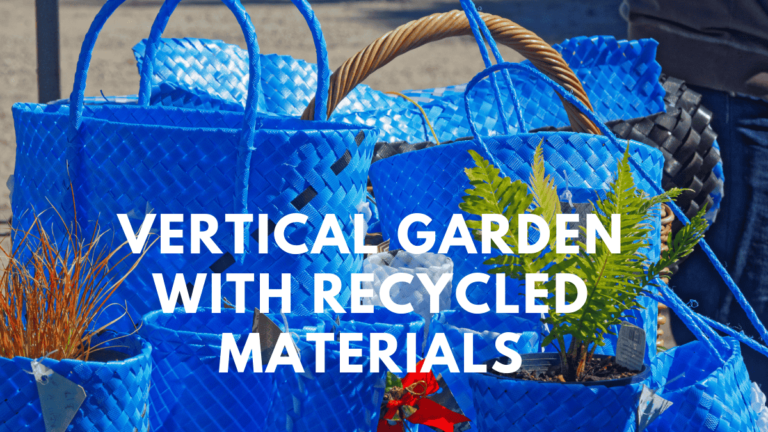
    Incorporating recycled materials into these vertical gardens not only reduces costs but also supports sustainability. For instance, using old wooden pallets, wire fencing, and discarded containers allows you to create functional and beautiful trellises, planters, and growing structures. In this article, we’ll explore the many benefits of vertical gardening, offer ideas for DIY projects, and guide you on how to incorporate recycled materials into your own garden to create a more productive and eco-friendly growing space.

    What Is Vertical Gardening? A Game-Changer for Urban Gardening

    At its core, vertical gardening is the practice of training plants to grow upwards rather than outwards, using structures like trellises, fences, and walls. This approach allows gardeners to increase their plant yield in confined spaces, such as small backyards or even balconies. Vertical gardening is especially advantageous in urban settings where outdoor space is limited. By growing plants vertically, you make the most of available space, turning unused vertical surfaces into valuable garden areas.

    Moreover, the use of recycled materials in vertical gardening projects is an excellent way to minimize waste. Items like old plastic bottles, scrap wood, and unused wire mesh can be repurposed to create functional, beautiful gardening solutions. This not only reduces costs but also contributes to a more sustainable way of gardening.

    The Numerous Benefits of Vertical Gardening

    1. Maximized Space Utilization

    One of the primary reasons gardeners choose vertical gardening is to save space. Growing plants vertically reduces the ground area needed, allowing for more plants in the same footprint. For instance, a squash plant, which typically requires about 20 square feet of space when grown on the ground, can be trained to grow upwards on a trellis, occupying just a fraction of the space. This makes it possible to share garden beds with a variety of other plants, effectively increasing your garden’s capacity.

    2. Simplified Harvesting Process

    Vertical gardening significantly eases the harvesting process. Instead of bending over or crawling on the ground to reach fruits or vegetables, plants grown vertically are positioned at a convenient height, making them easy to harvest without straining your back and knees. This accessibility is particularly beneficial for gardeners with physical limitations or those who simply want to make harvesting less of a chore.

    Moreover, vertical gardening reduces the chances of missing ripe produce. When fruits and vegetables are positioned at eye level, you are more likely to spot them and harvest them at the right time, ensuring that your crops are fresh and of the highest quality.

    3. Healthier Plants

    Plants grown vertically tend to be healthier than those left to sprawl on the ground. By keeping them off the soil, vertical gardening reduces the risk of fungal diseases, pests, and rot caused by damp, moist soil splashing onto plant leaves. Additionally, vertical growth allows for better air circulation around plants, which is crucial for reducing the spread of diseases.

    This method also prevents pests from easily reaching the plants, keeping your crops safe from small critters that might otherwise nibble on your tomatoes or cucumbers. As a result, vertical gardening can lead to healthier plants and a more successful harvest.

    4. Aesthetic Appeal

    Vertical gardens can significantly enhance the visual appeal of your garden space. These structures add depth, texture, and dimension to your outdoor area, creating an aesthetically pleasing environment. Arched trellises, in particular, provide an elegant and functional design element, offering both beauty and productivity. When properly arranged, vertical gardens can transform even the smallest garden into a lush, vibrant space.

    Vertical gardens also allow for the creative use of materials, making it easy to integrate personal style into the garden design. Whether you prefer rustic, DIY trellises made from reclaimed wood or sleek, modern wire structures, vertical gardening can be adapted to suit any aesthetic.

    Is Vertical Gardening Economical?

    When considering vertical gardening, cost is always a key factor. While pre-made trellises and vertical gardening kits can be expensive, there are many ways to build your own structures using recycled materials. For example, items like welded wire, T-posts, cattle panels, and even old chicken wire can be used to construct effective and affordable vertical gardens. The cost of buying these materials in bulk is often much lower than purchasing commercial trellises, making DIY vertical gardening a budget-friendly solution.

    Avoiding Expensive Pitfalls

    Many gardeners make the mistake of overspending on expensive pre-made gardening structures that may not provide the necessary functionality. For instance, a single trellis designed for one cucumber plant can cost around $35, which can quickly add up if you plan to grow multiple crops. Instead, consider using recycled materials that serve the same purpose without the hefty price tag.

    By being resourceful and creative with your materials, you can create a highly functional vertical garden that fits your budget. Simple DIY trellis ideas, such as using wooden pallets, recycled fencing, or old window frames, can be just as effective and much more affordable.

    DIY Vertical Gardening Projects Using Recycled Materials

    Creating a vertical garden with recycled materials is both easy and satisfying. Here are some DIY project ideas that can help you get started:

    1. Cattle Panel Trellises

    Cattle panels are an excellent material for building large arched trellises. They are sturdy and relatively inexpensive, and they can support a variety of climbing plants like beans, cucumbers, and tomatoes. You can purchase a cattle panel for around $30 and easily bend it into an arch shape to create a visually striking trellis for your garden.

    2. Plastic Bottle Vertical Planters

    Old plastic bottles can be repurposed into vertical planters by cutting holes in them and stacking them to create a cascading garden. This project is perfect for small spaces, as it utilizes vertical space efficiently and provides a unique, eco-friendly way to grow plants like herbs and strawberries.

    3. Recycled Fencing Trellises

    If you have any old fencing lying around, consider turning it into a vertical garden structure. You can repurpose broken dog kennels, old gates, or even scrap metal fencing to create custom trellises that will support climbing plants. This approach is both sustainable and cost-effective.

    4. Wooden Pallet Vertical Gardens

    Wooden pallets are a popular choice for vertical gardening because they are readily available and easy to convert into planters. By attaching a few pallets to a wall or fence, you can create a vertical garden that holds multiple rows of plants, such as lettuce, kale, and herbs.

    5. Dealing with Vertical Garden Maintenance

    Although vertical gardens are generally easier to maintain in terms of pest control and disease prevention, they do require consistent upkeep. For example, plants growing vertically need to be regularly checked to ensure they are properly trained on their support structures. As plants grow, they might need additional support, such as twine or clips, to keep them from falling over or getting tangled.

    Moreover, watering can be trickier with vertical gardens, especially if you’re growing a variety of plants. Unlike traditional gardening, where water is absorbed evenly throughout the soil, vertical gardens often need more targeted watering techniques. Drip irrigation systems or a watering can with a long spout can help ensure that each plant gets the water it needs.

    6. Addressing Potential Problems with Planting Materials

    While recycled materials are a cost-effective way to build vertical garden structures, they may not always last as long as purchased materials. For instance, chicken wire can be prone to rust over time, and wooden pallets may degrade under the weight of heavy plants or exposure to the elements. However, with proper care and maintenance, these materials can last for several seasons, and the environmental benefits of recycling far outweigh any potential drawbacks.

    If you are concerned about durability, consider applying protective coatings to your recycled materials. For example, you can treat wood with a weather-resistant sealant or use coated wire to prevent rust. This simple extra step can extend the lifespan of your vertical garden structures, ensuring that they continue to function well year after year.

    7. Choosing the Right Location for Your Vertical Garden

    Location is crucial when it comes to vertical gardening. Plants that thrive in vertical gardens, such as tomatoes and cucumbers, require plenty of sunlight to grow and produce fruit. Therefore, choosing the right spot with adequate sun exposure is vital for the success of your vertical garden.

    It’s important to assess your garden space and understand how sunlight moves throughout the day. If you’re growing plants indoors, position your vertical garden near a window that receives direct sunlight, or consider investing in grow lights to supplement natural light.

    Additionally, take into account wind exposure when selecting a location for your vertical garden. Strong winds can damage delicate plants or cause your vertical structures to collapse. Make sure your trellises or supports are sturdy enough to withstand gusty conditions, or position them in areas that are shielded from high winds.

    What Plants Are Best for Vertical Gardening?

    Vertical gardening is suitable for a wide range of plants, especially those that naturally climb or spread. Some of the best plants for vertical gardening include:

    • Climbing Beans: Beans are excellent for vertical gardening because they naturally climb, making them ideal candidates for trellises.
    • Cucumbers: Like beans, cucumbers can be trained to grow upwards on a trellis, saving space while producing high yields.
    • Melons: Many melon varieties can be grown vertically, allowing for easy harvesting and a more compact garden layout.
    • Squash: Vertical gardening helps squash plants grow upward, preventing them from sprawling and taking up too much space.
    • Tomatoes: Indeterminate tomato varieties benefit greatly from vertical gardening, as they can be trained to grow upwards, keeping the fruit off the ground.You can also experiment with mixing plants on different sides of the trellis. Just ensure that they have similar watering and sunlight requirements to prevent complications.

    Maximizing the Benefits of Vertical Gardening

    With a bit of effort and planning, vertical gardening can become a highly rewarding endeavor. Here are a few final tips to help you make the most of your vertical garden:

    1. Mix and Match Plants: As mentioned earlier, you can grow different types of plants on each side of a trellis, as long as they have similar water and sunlight needs. Be mindful of plant spacing to avoid overcrowding, and ensure that the plants do not shade each other out.
    2. Use Companion Planting: Vertical gardens are a perfect opportunity to implement companion planting, a technique that involves planting certain species together to benefit each other. For instance, growing basil near tomatoes can enhance the flavor of your tomatoes and help deter pests like aphids.
    3. Prune Regularly: As your vertical garden grows, be sure to prune plants to encourage healthy growth. Pruning helps plants to grow in the direction you want them to, and it prevents them from becoming too bushy or top-heavy, which can make them prone to falling over.
    4. Rotate Crops: To ensure the longevity of your vertical garden, practice crop rotation. This involves planting different types of crops in the same location each year to prevent soil depletion and reduce the risk of pest infestations.

    Frequently Asked Questions (FAQs)

    1. Can I grow flowers in a vertical garden? Yes, many flowers can thrive in vertical gardens, especially climbing varieties like morning glories, sweet peas, and clematis. Vertical gardening works great for both edible and ornamental plants.

    2. How often should I water my vertical garden? Watering frequency will depend on the types of plants you’re growing and the climate. Generally, vertical gardens require more frequent watering than traditional garden beds, as water drains faster in vertical structures. Consider using a drip irrigation system for more efficient watering.

    3. Are there any challenges with vertical gardening in cold climates? Yes, vertical gardens in colder climates may require additional protection during the winter months. You can cover plants with row covers or use a greenhouse structure to shield them from freezing temperatures.

    4. How do I prevent my vertical garden from toppling over? To ensure stability, use sturdy materials like T-posts, welded wire, or cattle panels. Secure your vertical structures firmly in the ground, and consider adding weight to the base if necessary.

    5. Can I grow trees vertically? While most trees require a lot of space and would not be suitable for vertical gardening, smaller fruit trees and dwarf varieties can be trained to grow upwards on trellises or arbors. This technique is ideal for those with limited space.

    The Future of Urban Gardening

    Vertical gardening is a revolutionary technique that allows gardeners to make the most of their space, whether they have a small balcony, a crowded backyard, or even just a tiny apartment. By growing plants upwards rather than outwards, vertical gardening provides a sustainable solution for city dwellers who wish to enjoy home-grown produce without sacrificing valuable space.

    By incorporating recycled materials into your vertical garden, you not only save money but also contribute to a more sustainable and eco-friendly way of gardening. From simple DIY planter projects to more elaborate trellis systems, the possibilities for creating a productive, space-saving garden are endless. Whether you’re looking to grow vegetables, fruits, or ornamental plants, vertical gardening can be adapted to suit your needs.

    With the right tools, materials, and a bit of creativity, you can easily transform your outdoor or indoor space into a thriving vertical garden. Not only will you have a visually appealing garden that’s easy to maintain, but you’ll also enjoy the many benefits of fresh, home-grown produce right at your fingertips.

    Final Thoughts: Vertical Gardening for Everyone

    Vertical gardening is more than just a trend; it’s a practical and sustainable solution for urban gardeners seeking to maximize their growing space. By using recycled materials and implementing DIY projects, you can create a functional and beautiful garden that not only saves space but also promotes sustainability. Whether you’re growing fruits, vegetables, or flowers, vertical gardening offers a creative way to cultivate a thriving garden in even the smallest of spaces.