Tag: tropical plants

  • 15 Must-Have Indoor Climbing Plants to Elevate Your Decor

    15 Must-Have Indoor Climbing Plants to Elevate Your Decor

    Introduction Climbing house Plants

    Indoor climbing plants bring so much more than just greenery to your home. They’re the gift that keeps on giving, enhancing your space with their beauty and clean air. These plants are not only known for their ability to reduce stress and increase productivity, but they also offer a stylish, visual intrigue that makes your decor stand out. I’ve always been fascinated by the way climbing plants can transform a room, filling it with life and energy. For those who want to level up their interior design, indoor climbing plants are the way to go.

    Most of them thrive in filtered light with a bit of humidity, but they’re also quite forgiving. Even if you don’t have the perfect conditions, tweaking the water schedule can help them flourish. As Futeral recommends, giving them a bit of light and letting them dry out before watering will keep them healthy. Whether you’re a seasoned plant owner or a beginner, these plants are great low-maintenance houseplants that are sure to impress with their aesthetic appeal.

    15 Indoor Climbing House Plants to Take Your Decor to New Heights

    [su_note]If you’re looking for the best indoor climbing plants, consider the Pothos Silver Splash, which features gorgeous blue-gray tones and silver streaking along its large leaves, making it an elegant addition to any room. The Cebu Blue Pothos offers a delicate, small-leafed appearance and thrives in shady spots with minimal care, while the Golden Pothos Plant brings a tropical feel with its huge leaves and immense impact, all while being low maintenance and air purifying—perfect for creating a calming environment.[/su_note]

    1.Pothos Silver Splash

    If you’re looking to add a touch of elegance to your space, Pothos Silver Splash might be just what you need. Its boasts large, impressive leaves with a blue-gray tone and stunning silver streaking, making it gorgeous to look at. Though it’s expensive and not pet friendly, its air purifying properties make it a great choice for enhancing your indoor environment.

    2.Cebu Blue Pothos

    Its small leaves and unique blue-gray tone give it a nuanced look. This vining plant is fast-growing, and although it’s not pet friendly, it thrives in shady areas with minimal care—just water infrequently and watch it climb!

    3.Golden Pothos Plant

    Add a tropical feel to your home with the Golden Pothos Plant. This variety features huge leaves that are bound to create an immense impact in your space. Low maintenance and shade-seeking, it’s perfect for those who want a vacation home vibe. However, you might want to invest in a humidifier during dry months to keep it thriving.

    4.Rhaphidophora Tetrasperma

    Another easy to care for climbing option is Rhaphidophora Tetrasperma known for its climbing potential and unique appearance, this fast-growing plant is often compared to a miniature Monstera. With a jungle feel, it’s great for creating a lush atmosphere when supported with a moss pole or plank of wood.

    5.Spider Plant Variegated

    The Spider Plant Variegated is a pet friendly option with pointy leaves that dangle beautifully. Its plantlets grow along the leaves, allowing you to propagate and create new plants. It’s perfect for hanging displays and adding a web-like effect to your decor.

    6.Philodendron Cordatum ‘Heartleaf’

    The Philodendron Cordatum, often called Heartleaf, is ideal for low to medium indirect sunlight. This plant grows quickly and has stunning heart-shaped leaves with bronze stem tones. It requires minimal waterings, making it a great choice for busy plant parents, though it’s toxic to pets.

    7.Mistletoe Cactus

    If you’re after something a bit different, try the Mistletoe Cactus. Its small size and trailing nature make it a unique addition to any indoor garden. The plant thrives in bright sunlight and can even be hung upside down in a hanging planter to create a striking visual effect.

    8.English Ivy

    For those who want a plant that can truly trail or climb, English Ivy is a fantastic option. This plant can grow up to 10 feet tall, making it a statement piece in any room. While it’s not pet friendly, it’s versatile enough to survive in various climates and shady spots.

    9.Ficus Repens

    Another excellent choice for indoor climbing is the Ficus Repens known for its quick growth, this plant has green leaf varieties or variegated leaves with white and green hues. While it can eventually cover a wall, it’s important to stay on top of its pruning needs.

    10.Mini Pink Jasmine Vine

    If you’re looking for something that’s not only beautiful but also offers an air purifying benefit, the Mini Pink Jasmine Vine is a great option. This pet friendly plant has a sweet aroma when it blooms, though it is high maintenance, requiring careful attention to sunlight, airflow, and frequent waterings.

    11.String of Pearls Succulent

    For a more unique succulent, consider the String of Pearls Succulent known for its teeny-tiny leaves resembling a pearl necklace, this plant thrives with ample light and well-drained soil. It also acts as a great air purifier while requiring minimal watering.

    12.Hoya Krimson Queen

    For a touch of regal charm, the Hoya Krimson Queen offers a gorgeous appearance with thick waxy leaves that retain water. This plant is nontoxic to pets and is perfect for an area with indirect bright light. It can grow up to six feet tall, making it a stunning addition to any room.

    13.Ceropegia Woodii

    Another nontoxic to pets plant is the Ceropegia Woodii Often referred to as the String of Hearts, this plant is a succulent with heart-shaped leaves. It requires bright warm spaces, though not direct sunlight, and only needs watering once a week to thrive.

    14.Bougainvillea

    Looking to add some color to your indoor garden? Bougainvillea is the way to go. This plant produces vibrant pink and purple flowers while also acting as an air purifier. It’s mildly toxic to pets, so keep that in mind, but it thrives in direct sunlight and requires only occasional watering.

    15.String of Turtles

    Lastly, the String of Turtles is a perfect addition to your decor. Its tortoise’s shell-like leaves are unique, and it is a resilient plant that requires only indirect sunlight and weekly watering to thrive.

  • Transforming Prayer Plant Care: Cultivating Lush Foliage with Ease (2025)

    Transforming Prayer Plant Care: Cultivating Lush Foliage with Ease (2025)

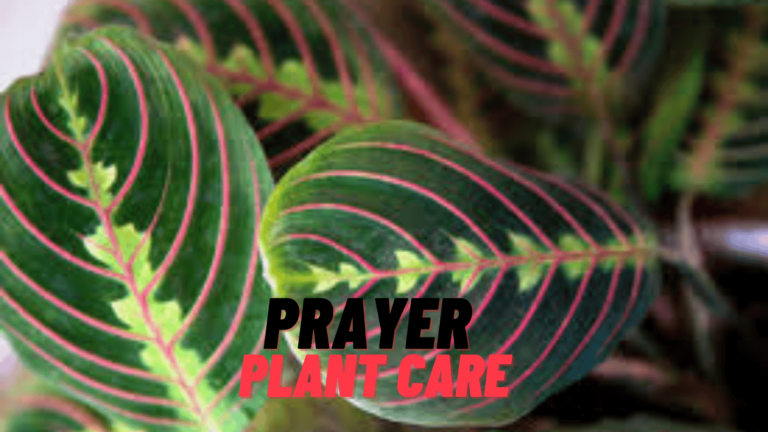
    The prayer plant (Maranta leuconeura) is a captivating species from the family Marantaceae, renowned for its striking foliage and remarkable ability to fold its leaves upwards at night, mimicking hands in prayer. In this comprehensive guide, we will explore the essential aspects of prayer plant care, including watering, lighting, humidity, soil, temperature, fertilization, pruning, propagation, and pest management.This unique characteristic is called nyctinasty, a form of circadian rhythm that allows the plant to protect itself from excess moisture and light during nighttime. The leaves themselves are a work of art, with intricate patterns that often display various shades of green, red, and purple depending on the variety.

    However, this beauty comes with specific care requirements. By understanding the plant’s natural habitat and replicating it as closely as possible in your home, you can enjoy a healthy, thriving prayer plant.

    Lighting: How to Get It Right

    Lighting

    Prayer plants are adapted to grow under the canopy of taller trees in the wild, meaning they naturally experience dappled sunlight. In your home, it’s crucial to mimic this environment by placing your plant in a spot that gets bright, indirect light. Direct sunlight can scorch the delicate leaves, causing them to develop brown spots or edges.

    The best location for your prayer plant is near a north or east-facing window, where it will get soft morning sunlight. If you’re unsure, you can always test the light levels by holding your hand above the plant—if the shadow is clear and defined, the light is too strong, and you may need to move the plant further away.

    Alternatively, if your home doesn’t have ample natural light, you can use a grow light to provide the necessary intensity without the risk of burning the leaves. Ensure the light is positioned a few feet above the plant to prevent damage.

    Watering: The Key to Health

    Watering is one of the most critical aspects of prayer plant care, and getting it right is essential for the overall health of your plant. Prayer plants require consistent moisture but should never sit in water logged soil, as this can lead to root rot.

    • Frequency of Watering: Water the plant when the top 1-2 inches of soil feel dry. During warmer months, your prayer plant may need more frequent watering, perhaps once a week. In the colder months, it may need less frequent watering as the plant’s growth slows down.
    • Watering Technique: Always water evenly around the base of the plant, ensuring that the entire root system receives moisture. Ensure the pot has drainage holes, and allow any excess water to drain out. Never let your prayer plant sit in standing water.
    • Water Quality: Tap water, especially hard water that contains high levels of minerals like fluoride and chlorine, can harm the plant over time. Distilled water or rainwater is the best choice for watering. If you must use tap water, let it sit out overnight to allow the chemicals to dissipate.
    • Signs of Overwatering or Underwatering: Overwatering leads to yellowing leaves and mushy stems, while underwatering will cause the leaves to wilt, curl, and become crispy, particularly at the edges.

    Humidity: A Crucial Element

    Prayer plants are native to the humid environments of Brazil’s tropical forests, where the humidity levels can reach 60% or higher. To replicate these conditions indoors, it’s essential to keep the air around your plant moist.

    • Ideal Humidity: Prayer plants prefer a humidity level between 50% to 60%. Anything below 40% can lead to brown tips on the leaves and general poor health.
    • How to Increase Humidity: If your indoor air is dry, especially during the winter months when heating systems dry out the air, consider using a humidifier to boost moisture levels. Another simple trick is to place a pebble tray beneath the plant’s pot. Fill the tray with water and small stones, ensuring the pot itself does not sit in the water. As the water evaporates, it will increase the humidity around the plant.
    • Misting: While misting can provide temporary relief, it’s not a long-term solution. Misting your prayer plant a few times a week can help, but it should be done early in the day to avoid fungal issues.

    Soil: Perfecting the Base

    The soil you use for your prayer plant is crucial for proper root development and moisture retention. You’ll want a soil mix that is well-draining yet retains enough moisture to keep the roots hydrated without becoming waterlogged.

    • Ideal Soil Type: A light, well-draining mix is key. The best mixture for a prayer plant includes:
      • Two parts sphagnum peat moss
      • One part perlite or vermiculite
      • One part well-draining potting soil or coconut coir

    This blend allows for proper aeration around the roots, preventing the dreaded root rot while providing enough moisture retention for the plant’s growth.

    • Repotting: Prayer plants do not require frequent repotting. However, every 1 to 2 years, when the plant becomes root-bound or the soil begins to deplete in nutrients, it’s time to move the plant to a slightly larger pot. When repotting, gently loosen the roots and avoid disturbing them too much to minimize stress.

    Temperature: Ideal Conditions for Growth

    Prayer plants prefer warm environments, so you should aim to keep them in a room with temperatures between 65°F and 80°F (18°C to 27°C). They are sensitive to temperature fluctuations and drafts, which can cause leaf curling and stress.

    • Avoid Cold Drafts: Keep your prayer plant away from air conditioners, heating vents, or windows that open frequently, as these temperature fluctuations can harm the plant.
    • Seasonal Adjustments: In colder months, the plant’s growth may slow down due to lower light levels and cooler temperatures, so reduce the watering frequency accordingly.

    Fertilizing: Boosting Growth

    Prayer plants grow actively in the spring and summer months, and during this time, they benefit from regular fertilization. Fertilization encourages healthy, vibrant foliage.

    • Type of Fertilizer: Use a balanced, water-soluble fertilizer with equal proportions of nitrogen (N), phosphorus (P), and potassium (K) to support the plant’s overall health.
    • Application Frequency: During the growing season (spring through summer), fertilize your prayer plant once every 2 weeks. In the fall and winter, reduce fertilization to once a month, as the plant’s growth slows significantly.
    • Signs of Over-fertilization: Over-fertilizing can cause the leaves to become scorched or have burnt edges. If you notice this, reduce the frequency of fertilizing and flush the soil with clean water to remove excess nutrients.

    Pest and Disease Management

    While prayer plants are relatively pest-resistant, they can occasionally attract spider mites, mealybugs, and aphids. Regularly inspect the undersides of leaves for signs of pests.

    • Dealing with Pests: Treat infestations promptly with neem oil or insecticidal soap. For mild infestations, wiping the leaves with a damp cloth can help remove pests.
    • Diseases: Root rot is a major concern for prayer plants, especially when the plant is overwatered or the soil does not drain well. To prevent root rot, always ensure proper drainage, and avoid allowing water to stagnate at the bottom of the pot.

    Pros and Cons of Growing Prayer Plants

    ProsCons
    Attractive Foliage: Prayer plants are known for their striking, patterned leaves that add an elegant and exotic touch to any space.Humidity Sensitivity: Prayer plants require high humidity levels to thrive, which can be challenging to maintain, especially in dry climates or during winter.
    Non-Toxic: These plants are safe for pets and humans, making them an excellent choice for households with animals or small children.Sensitive to Overwatering: Prayer plants are highly susceptible to root rot if they are overwatered, requiring careful monitoring of watering habits.
    Unique Leaf Movement: The leaves fold up at night, resembling hands in prayer, adding an intriguing, dynamic aspect to their care and appearance.Requires Frequent Attention: Due to their specific care needs (water, light, humidity), prayer plants can require more attention than other houseplants.
    Low Light Tolerance: Prayer plants can grow well in medium to low-light environments, making them versatile for various indoor settings.Pest-Prone: While generally resistant, prayer plants can attract common pests like spider mites, mealybugs, and aphids, which can be a hassle to manage.
    Aesthetic Appeal: With their colorful and patterned foliage, prayer plants enhance the décor of any room, becoming a statement piece.Slow Growth: These plants can grow slowly, particularly in low light conditions or when not given optimal care, which can be frustrating for some plant enthusiasts.
    Air Purification: Like many indoor plants, prayer plants help purify the air, improving the overall environment in your home.Prone to Leaf Damage: Prayer plants are sensitive to extreme temperature fluctuations and drafts, which can cause their leaves to curl or discolor.

    Conclusion: A Beautiful Journey of Care

    Caring for a prayer plant may seem like a lot of effort, but it’s a highly rewarding experience. By paying attention to its needs for indirect light, consistent watering, high humidity, and well-draining soil, your prayer plant can flourish and add beauty to your home for years to come. Remember, each plant is unique, so observe your plant’s individual needs and adjust care routines accordingly.

  • How to Care for a Monstera Plant (2025)

    How to Care for a Monstera Plant (2025)

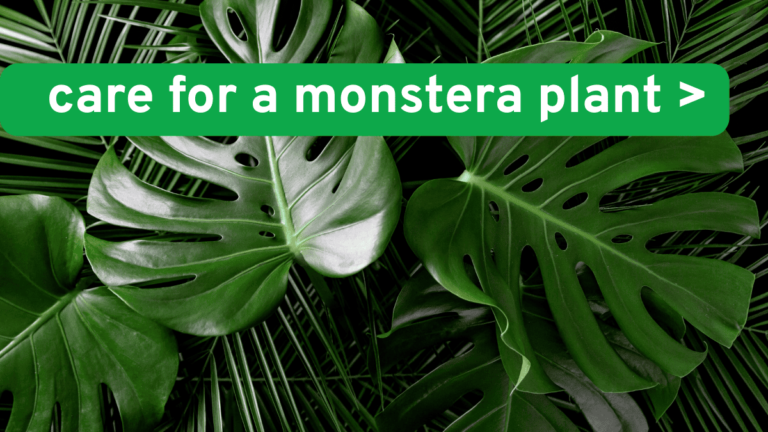
    Monstera deliciosa, commonly known as the Swiss cheese plant or split-leaf philodendron, is a popular and striking houseplant. With its large, glossy, heart-shaped leaves and unique fenestrations (the holes and splits in the leaves), it’s no wonder that this tropical beauty is a favorite among plant enthusiasts. Not only is the Monstera a visually appealing addition to any space, but it is also relatively easy to care for, making it an ideal choice for beginners and experienced gardeners alike.

    In this article, we’ll dive deep to how to care for a monstera plant , types of monstera plants, propagation methods, and troubleshooting tips to keep your Monstera thriving. Whether you’re a novice or a seasoned plant parent, this guide will help you nurture your Monstera into a lush and healthy beauty.

    Understanding How to Care for a Monstera Plant

    Monstera plants thrive in humid, tropical environments, and they need specific conditions to grow to their full potential. They are native to Central America and prefer warm temperatures, indirect light, and well-draining soil. Here’s a breakdown of the essential care factors for a healthy Monstera deliciosa:

    Sunlight Requirements

    The Monstera deliciosa does best in bright, indirect sunlight. Direct sunlight can scorch its delicate leaves, so it’s important to find a spot with filtered light. If you’re growing your Monstera indoors, place it near a window with sheer curtains or use artificial grow lights if natural light is insufficient.

    In outdoor spaces, the Swiss cheese plant can grow under the canopy of larger trees, making it perfect for shaded or partially shaded areas. However, too little light can lead to leggy growth and fewer fenestrations (holes in the leaves).

    Soil and Potting Needs

    Monstera plants require well-draining soil to prevent root rot. A mix of peat-based soil with added perlite or shredded bark is ideal. This combination promotes aeration and drainage while providing the necessary nutrients. When choosing a pot for your Monstera, ensure it has ample drainage holes to allow excess water to escape.

    As your Monstera grows, it will eventually outgrow its pot. When this happens, repot your plant every couple of years into a larger container, increasing the pot size by a few inches to accommodate its expanding root system.

    Watering Your Monstera

    One of the most common mistakes people make when caring for Monstera plants is overwatering. These plants prefer to dry out between waterings, so it’s important to check the soil moisture regularly. Stick your finger into the soil; if the top 2-3 inches are dry, it’s time to water.

    During the growing season (spring and summer), Monstera may need watering once a week, but in the winter, when the plant is dormant, watering every couple of weeks should suffice. Always water deeply, ensuring that water runs out from the drainage hole at the bottom of the pot.

    Temperature and Humidity

    Monstera plants flourish in warm environments, typically between 65°F and 85°F. They are sensitive to cold temperatures and should be kept away from drafts and air conditioners. In terms of humidity, these plants prefer a humid environment, ideally around 60%. To boost humidity, you can mist the leaves or use a humidifier, particularly in dry indoor conditions.

    Propagating Monstera: Easy Methods for Growing New Plants

    Monstera deliciosa is relatively easy to propagate, whether by stem cuttings or air layering. Here’s a detailed guide on how to propagate your Monstera successfully:

    Stem Cutting Method

    Stem cuttings are the most common way to propagate Monstera. Follow these simple steps:

    1. Using clean, sharp scissors or pruning shears, cut a stem with a node (the bump where roots will grow) and at least one leaf.
    2. Place the cutting in a glass of water, ensuring the node is submerged. Change the water every 3-5 days.
    3. After a few weeks, you’ll see roots developing. Once the roots are a few inches long, transplant the cutting into fresh soil.

    Air Layering Method

    For a more advanced and risk-free propagation method, you can use air layering. Here’s how:

    1. Choose a healthy stem with a node.
    2. Cut a small notch in the stem below the node.
    3. Wrap sphagnum moss around the notch and moisten it. Cover it with plastic to keep the moss humid.
    4. After a few months, when roots have developed, cut the stem below the roots and plant the new Monstera in soil.

    Both methods are effective, but air layering tends to have a higher success rate, as it allows the roots to form while still attached to the parent plant.

    How to Get Monstera Leaves to Split

    Monstera leaves are famous for their unique splits, or fenestrations, which develop as the plant matures. To encourage the leaves to split, it’s important to provide optimal conditions for growth:

    1. Light: Ensure the plant receives plenty of bright, indirect light. A grow light can also help promote the formation of fenestrations.
    2. Watering: Maintain consistent watering, letting the soil dry out slightly between waterings.
    3. Fertilizing: Feed your Monstera with a balanced fertilizer every few months during the growing season. This helps provide essential nutrients for healthy leaf development.

    If your Monstera is growing slowly or not developing splits, it may not be receiving enough light or nutrients. Increasing light intensity or adding fertilizer can help stimulate new growth.

    Types of Monstera Plants: A Quick Overview

    Monstera deliciosa is just one of many species in the Monstera genus. Here are a few notable types of Monstera plants:

    • Monstera albo: This rare, variegated form of Monstera deliciosa has beautiful white splashes on its green leaves. It is often more expensive due to its scarcity and slower growth rate.
    • Monstera obliqua: Known for its delicate, airy leaves with large holes, Monstera obliqua is one of the rarest and most expensive varieties.
    • Monstera adansonii: Commonly called the Swiss cheese plant, it has larger leaves than the standard Monstera with more pronounced holes.
    • Monstera dubia: This vining species has small, round leaves with silvery markings and is commonly grown as a groundcover or climbing plant.

    Troubleshooting Common Monstera Problems

    Despite being relatively low-maintenance, Monstera plants can face a few issues. Here are some common problems and how to address them:

    Brown Leaf Tips: This often indicates dry soil or inconsistent watering. Regularly water your Monstera, making sure the soil doesn’t dry out completely.

    Yellow Leaves: If your Monstera’s leaves are turning yellow, it might be a sign of overwatering or insufficient light. Ensure proper drainage and provide adequate light.

    Wilting or Curling Leaves: This can occur due to overwatering or low humidity. Check the soil for moisture levels and consider using a humidifier if the air is too dry.

    FAQs about Monstera Care

    Q: How often should I water my Monstera?
    A: Water your Monstera once the top 2-3 inches of soil dry out. During the growing season, it may need watering once a week, but in winter, it may only require water every few weeks.

    Q: Can I grow Monstera outside?
    A: Yes, Monstera can be grown outside in USDA zones 10-12, where temperatures remain warm. It thrives in shaded or partially shaded areas.

    Q: How can I encourage Monstera leaves to split?
    A: To encourage leaf splits, provide bright, indirect light, and maintain consistent watering and fertilizing.

    Conclusion

    Caring for a Monstera deliciosa is straightforward once you understand its basic needs. With the right environment, watering routine, and occasional maintenance, your Monstera will reward you with beautiful, large, split leaves that add a tropical touch to your space. Whether you’re a beginner or an experienced plant enthusiast, this low-maintenance beauty is a perfect addition to any home.

    With the proper care, your Monstera can thrive for years, growing larger and more stunning as time goes on. So, take the time to nurture it, and you’ll enjoy its lush foliage and exotic charm in your home or garden.

    Pros and Cons of Monstera Care

    ProsCons
    Easy to care for once establishedToxic to pets and humans
    Can grow large, making a bold statementRequires proper lighting and humidity
    Attractive, unique leaves (fenestrations)Can suffer from root rot if overwatered
    Can be propagated easilyMay outgrow its pot over time