Tag: plant maintenance

  • 15 Must-Have Indoor Climbing Plants to Elevate Your Decor

    15 Must-Have Indoor Climbing Plants to Elevate Your Decor

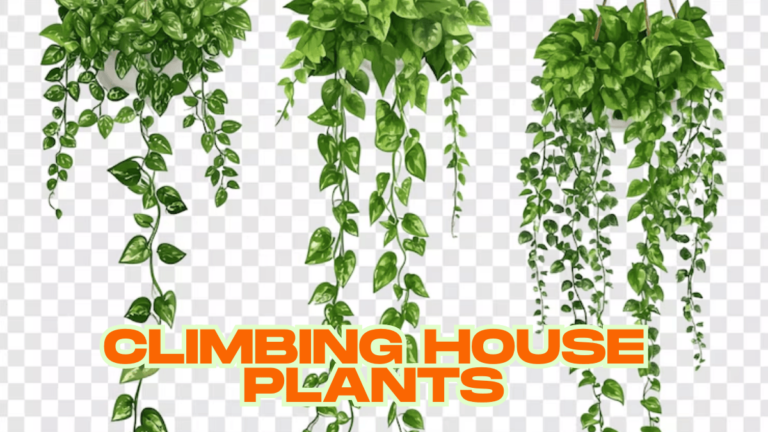
    Introduction Climbing house Plants

    Indoor climbing plants bring so much more than just greenery to your home. They’re the gift that keeps on giving, enhancing your space with their beauty and clean air. These plants are not only known for their ability to reduce stress and increase productivity, but they also offer a stylish, visual intrigue that makes your decor stand out. I’ve always been fascinated by the way climbing plants can transform a room, filling it with life and energy. For those who want to level up their interior design, indoor climbing plants are the way to go.

    Most of them thrive in filtered light with a bit of humidity, but they’re also quite forgiving. Even if you don’t have the perfect conditions, tweaking the water schedule can help them flourish. As Futeral recommends, giving them a bit of light and letting them dry out before watering will keep them healthy. Whether you’re a seasoned plant owner or a beginner, these plants are great low-maintenance houseplants that are sure to impress with their aesthetic appeal.

    15 Indoor Climbing House Plants to Take Your Decor to New Heights

    [su_note]If you’re looking for the best indoor climbing plants, consider the Pothos Silver Splash, which features gorgeous blue-gray tones and silver streaking along its large leaves, making it an elegant addition to any room. The Cebu Blue Pothos offers a delicate, small-leafed appearance and thrives in shady spots with minimal care, while the Golden Pothos Plant brings a tropical feel with its huge leaves and immense impact, all while being low maintenance and air purifying—perfect for creating a calming environment.[/su_note]

    1.Pothos Silver Splash

    If you’re looking to add a touch of elegance to your space, Pothos Silver Splash might be just what you need. Its boasts large, impressive leaves with a blue-gray tone and stunning silver streaking, making it gorgeous to look at. Though it’s expensive and not pet friendly, its air purifying properties make it a great choice for enhancing your indoor environment.

    2.Cebu Blue Pothos

    Its small leaves and unique blue-gray tone give it a nuanced look. This vining plant is fast-growing, and although it’s not pet friendly, it thrives in shady areas with minimal care—just water infrequently and watch it climb!

    3.Golden Pothos Plant

    Add a tropical feel to your home with the Golden Pothos Plant. This variety features huge leaves that are bound to create an immense impact in your space. Low maintenance and shade-seeking, it’s perfect for those who want a vacation home vibe. However, you might want to invest in a humidifier during dry months to keep it thriving.

    4.Rhaphidophora Tetrasperma

    Another easy to care for climbing option is Rhaphidophora Tetrasperma known for its climbing potential and unique appearance, this fast-growing plant is often compared to a miniature Monstera. With a jungle feel, it’s great for creating a lush atmosphere when supported with a moss pole or plank of wood.

    5.Spider Plant Variegated

    The Spider Plant Variegated is a pet friendly option with pointy leaves that dangle beautifully. Its plantlets grow along the leaves, allowing you to propagate and create new plants. It’s perfect for hanging displays and adding a web-like effect to your decor.

    6.Philodendron Cordatum ‘Heartleaf’

    The Philodendron Cordatum, often called Heartleaf, is ideal for low to medium indirect sunlight. This plant grows quickly and has stunning heart-shaped leaves with bronze stem tones. It requires minimal waterings, making it a great choice for busy plant parents, though it’s toxic to pets.

    7.Mistletoe Cactus

    If you’re after something a bit different, try the Mistletoe Cactus. Its small size and trailing nature make it a unique addition to any indoor garden. The plant thrives in bright sunlight and can even be hung upside down in a hanging planter to create a striking visual effect.

    8.English Ivy

    For those who want a plant that can truly trail or climb, English Ivy is a fantastic option. This plant can grow up to 10 feet tall, making it a statement piece in any room. While it’s not pet friendly, it’s versatile enough to survive in various climates and shady spots.

    9.Ficus Repens

    Another excellent choice for indoor climbing is the Ficus Repens known for its quick growth, this plant has green leaf varieties or variegated leaves with white and green hues. While it can eventually cover a wall, it’s important to stay on top of its pruning needs.

    10.Mini Pink Jasmine Vine

    If you’re looking for something that’s not only beautiful but also offers an air purifying benefit, the Mini Pink Jasmine Vine is a great option. This pet friendly plant has a sweet aroma when it blooms, though it is high maintenance, requiring careful attention to sunlight, airflow, and frequent waterings.

    11.String of Pearls Succulent

    For a more unique succulent, consider the String of Pearls Succulent known for its teeny-tiny leaves resembling a pearl necklace, this plant thrives with ample light and well-drained soil. It also acts as a great air purifier while requiring minimal watering.

    12.Hoya Krimson Queen

    For a touch of regal charm, the Hoya Krimson Queen offers a gorgeous appearance with thick waxy leaves that retain water. This plant is nontoxic to pets and is perfect for an area with indirect bright light. It can grow up to six feet tall, making it a stunning addition to any room.

    13.Ceropegia Woodii

    Another nontoxic to pets plant is the Ceropegia Woodii Often referred to as the String of Hearts, this plant is a succulent with heart-shaped leaves. It requires bright warm spaces, though not direct sunlight, and only needs watering once a week to thrive.

    14.Bougainvillea

    Looking to add some color to your indoor garden? Bougainvillea is the way to go. This plant produces vibrant pink and purple flowers while also acting as an air purifier. It’s mildly toxic to pets, so keep that in mind, but it thrives in direct sunlight and requires only occasional watering.

    15.String of Turtles

    Lastly, the String of Turtles is a perfect addition to your decor. Its tortoise’s shell-like leaves are unique, and it is a resilient plant that requires only indirect sunlight and weekly watering to thrive.

  • GROW HERBS in Hot Climates: Unbeatable Top 10 Tips for Growing Herbs in Hot Climates

    GROW HERBS in Hot Climates: Unbeatable Top 10 Tips for Growing Herbs in Hot Climates

    Introduction: Overcoming the Challenges of Growing Herbs in Hot Climates


    Growing herbs in hot climates can be a challenging but highly rewarding experience. Whether you’re in a Mediterranean region like Mesa, Arizona, or experiencing intense summer heat, it’s possible to grow a thriving herb garden with the right knowledge and preparation. From rosemary to mint, thyme, and basil, herbs are some of the most versatile and beneficial plants to grow, enhancing both your meals and your garden. In this article, I’ll share my experience and the top tips to help you succeed in hot climates and get the most out of your herb-growing journey.

    Why Growing Herbs in Hot Climates Can Be Tough


    In regions with hot, dry summers, and rocky soil, herbs may struggle to thrive due to the heat and lack of moisture. High temperatures can cause many plants to go into survival mode, slowing their growth and possibly leading to dormant periods. However, with the right care, even in challenging conditions, it is possible to grow good, flavorful herbs that will prosper.

    The Best Herbs to Grow in Hot Climates

    Some herbs are better suited to hot environments due to their perennial nature, meaning they return each year. Rosemary, thyme, oregano, sage, and lavender are all Mediterranean herbs that naturally thrive in hot, dry conditions. These plants require minimal water once established and can withstand the harsh sun of summer without too much difficulty.
    Annual herbs such as basil, parsley, cilantro, and chamomile can also be grown successfully in hot climates with the right care. These herbs may need more attention and water than perennials, but they still flourish in sunny, well-drained soil.

    Tips for Growing Herbs in Hot Climates

    1. Choose the Right Spot for Your Herb Garden
    The location of your herb garden is crucial to its success. Choose a spot that gets plenty of sunlight throughout the day. Most herbs, like basil and rosemary, love full sun, but you also need to provide some afternoon shade for more delicate varieties such as parsley and mint, which can struggle in intense heat.

    2. Opt for Raised Beds or Containers for Better Drainage
    If you’re struggling with soggy soil or poor drainage, a raised bed or container gardening might be the best option. Herbs like oregano, thyme, and garlic need well-drained soil to prevent root rot. A container will allow you to control soil quality and moisture levels more effectively.

    3. Amend Your Soil with Organic Matter
    In hot, dry climates, the soil can often be too dry or compacted. Adding compost or organic matter to your garden bed can improve drainage and make the soil more nutrient-rich. This also ensures that your herbs get the good nutrients they need to thrive.

    4. Water Regularly, but Avoid Overwatering
    Herbs like rosemary and sage don’t require as much water once they’re established, but in hot climates, they still need consistent moisture. However, be careful not to overwater, as this can cause roots to rot. Watering deeply but less frequently will encourage deep root growth, helping your herbs survive hot summers.

    5. Mulch to Retain Moisture and Keep Roots Cool
    Using mulch, such as straw or wood chips, around your herb plants will help retain moisture and keep the roots cool. Mulching is particularly important in hot climates where water evaporation happens quickly. It also prevents weeds from competing with your herbs for nutrients and water.

    6. Prune and Harvest Regularly to Promote Healthy Growth
    Regular pruning helps your herbs stay healthy and productive. Remove dead or damaged growth and regularly harvest leaves for cooking or drying. Pruning will also prevent your plants from becoming too leggy and encourage them to produce fresh, new growth, even during hot months.

    7. Protect Against Pests and Insects
    Insects and pests can be a common problem for herb gardeners in hot climates. The presence of pollinators like ladybugs can help control harmful insects. Use natural pest control methods, such as planting garlic, rosemary, or basil near your other herbs to deter unwanted guests.

    8. Provide Some Afternoon Shade
    While most herbs love the sun, the intense afternoon sun can be too much for some plants, especially in the peak of summer. Consider shading your herb garden during the hottest part of the day, particularly for more sensitive herbs like cilantro and parsley. This can help them continue to grow without going into dormant mode.

    9. Use Fertilizer Sparingly
    In hot climates, too much fertilizer can overwhelm your herbs and cause excessive leaf growth with little flavor. Use a balanced fertilizer sparingly, and be sure to choose one that promotes strong, healthy roots rather than just lush top growth.

    10. Plan for Seasonal Changes
    As temperatures drop in fall and winter, some herbs will go dormant, while others may struggle to survive. Be prepared by planting perennial herbs that can withstand frost and replanting annual herbs in the spring. You may also consider bringing certain herbs like mint, thyme, or parsley into a container for the cooler months.

    Additional Considerations for Growing Herbs in Hot Climates

    Companion Planting for Pest Control and Healthy Growth
    Certain herbs work well together and can help each other thrive. For example, basil planted next to tomatoes can deter pests, while rosemary can help protect carrots and lettuce from insects. Companion planting is an excellent strategy for creating a healthier, more resilient garden.

    Native Herbs to Grow in Hot Climates
    Native herbs, such as bay laurel and lemon verbena, are already adapted to the dry, hot conditions of certain regions. By choosing native varieties, you’ll reduce the need for extra care and maintenance, as these herbs are naturally suited to their environment.

    Conclusion:

    Growing herbs in hot climates may seem challenging, but with the right knowledge and care, it’s possible to create a thriving herb garden. By selecting the best plants for your climate, ensuring good soil and water practices, and managing pests naturally, you can enjoy fresh, flavorful herbs all year long. Whether you’re growing rosemary, mint, basil, or even more exotic herbs like ginger or turmeric, your herb garden can flourish with a little time, effort, and love.

    FAQs:

    What herbs thrive in hot climates?

    Some of the best herbs for hot climates include rosemary, thyme, sage, lavender, oregano, and basil. These are all Mediterranean herbs that do well in dry, sunny conditions.

    How often should I water herbs in hot climates?

    Herbs in hot climates should be watered deeply but less frequently. Ensure that the soil is moist, but not soggy, to avoid root rot. Once established, perennial herbs need less water.

    Can I grow herbs in containers in hot climates?

    Yes! Container gardening is an excellent choice for hot climates as it provides better drainage and allows you to control soil conditions more easily.

    How do I protect my herbs from pests in hot climates?

    Use natural pest control methods such as planting garlic or rosemary to deter insects. Additionally, companion planting and encouraging pollinators like ladybugs can help keep harmful pests at bay.

    Which herbs need afternoon shade in hot climates?

    Herbs like parsley, mint, and cilantro prefer some afternoon shade in hot climates, as intense afternoon sun can stress these plants.