Tag: plant care

  • The Top 10 Benefits of Fiber Pots for Gardening Success

    The Top 10 Benefits of Fiber Pots for Gardening Success

    Introduction

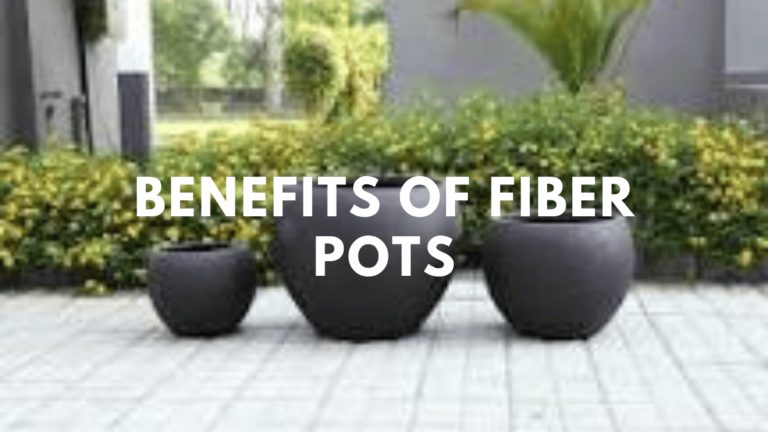
    Fiber pots, often known as biodegradable or eco-friendly pots, are an innovative solution for gardeners seeking sustainable alternatives to traditional plastic containers. These pots are made from natural fibers, such as coconut coir, jute, or hemp, and are designed to provide a sturdy, environmentally friendly option for growing plants. The demand for these fiber flower pots is growing rapidly due to their many benefits, including their ability to retain moisture, promote healthy root growth, and reduce plastic waste in the environment.

    These eco-friendly gardening tools are widely used in both home gardens and professional horticulture due to their ability to maintain soil health while fostering plant growth. The growing popularity of fiber pots is a testament to the increasing demand for sustainable gardening products that support both the environment and plant health.

    How Fiber Pots Benefit Your Garden

    Fiber pots offer numerous benefits that make them a preferred choice for modern gardeners. One of the most significant advantages is their eco-friendliness. Unlike traditional plastic pots, which can take hundreds of years to decompose, fiber pots break down naturally over time, leaving behind minimal environmental impact. Additionally, these pots are made from renewable resources, making them a more sustainable option in today’s world.

    Another key benefit of fiber flower pots is their ability to promote healthy root growth. The natural fibers used in these pots allow for better air circulation to the roots, which encourages strong, healthy root systems. As the plant grows, the roots are able to penetrate the pot’s walls, leading to better root establishment and overall plant health.

    Moreover, fiber pots are known for their moisture retention properties. This is especially beneficial in areas where water conservation is a priority, or in urban gardens where access to water can be limited. The moisture retention abilities of fiber pots help keep plants hydrated for longer periods, reducing the need for frequent watering.

    The Eco-Friendly Nature of Fiber Pots

    With the growing concern over plastic pollution, fiber pots have emerged as an excellent alternative for gardeners looking to minimize their carbon footprint. The production of fiber pots requires fewer resources than plastic pots, and they can be made from recycled or sustainably sourced materials. This makes them a much more environmentally responsible option, especially for gardeners who are conscious about their ecological impact.

    Furthermore, fiber pots are biodegradable, meaning that when they are no longer needed, they decompose naturally. This process reduces the amount of waste that ends up in landfills and contributes to a healthier, cleaner planet. The biodegradability of fiber pots is particularly advantageous for gardeners who are looking for sustainable ways to dispose of their used gardening containers.

    Types of Fiber Pots and Their Uses

    Fiber pots come in a variety of shapes, sizes, and materials, making them versatile for a wide range of gardening applications. Common types of fiber flower pots include coconut coir pots, jute pots, and hemp-based pots. Each type has its unique benefits and can be chosen based on the specific needs of the plants being grown.

    Coconut coir pots, for instance, are made from the husks of coconuts and are known for their exceptional water retention properties. These pots are ideal for plants that require consistent moisture, such as tropical plants, succulents, and herbs. On the other hand, jute and hemp pots are stronger and more durable, making them well-suited for larger plants or those with more aggressive root systems.

    In addition to traditional garden use, fiber pots are also increasingly popular for container gardening, particularly in urban environments where space is limited. Their lightweight construction makes them easy to move, and they are an excellent choice for growing plants on balconies, patios, or rooftops.

    How Fiber Flower Pots Support Healthy Plant Growth

    When it comes to promoting plant health, fiber pots offer several advantages over traditional plastic pots. One of the key benefits is their ability to encourage strong root development. The porous nature of fiber pots allows for better airflow to the roots, which helps prevent root rot and promotes healthy growth.

    Fiber flower pots are also excellent at regulating moisture levels. The natural fibers used in these pots absorb and retain water, ensuring that plants receive adequate hydration without the risk of overwatering. This makes them particularly suitable for plants that thrive in consistently moist soil, such as ferns, mosses, and certain types of flowers.

    Additionally, fiber pots help maintain soil integrity by preventing the soil from becoming compacted. Over time, the natural fibers break down and enrich the soil, providing essential nutrients to the plants. This makes fiber flower pots a great choice for gardeners who prioritize organic and sustainable gardening practices.

    Pros and Cons of Fiber Pots

    ProsCons
    Eco-Friendly: Made from natural fibers and biodegradable.Limited Durability: May not last as long as plastic pots, especially in harsh weather conditions.
    Promotes Root Growth: The porous material allows roots to breathe and grow freely.Higher Cost: Fiber pots can be more expensive than plastic alternatives.
    Moisture Retention: Ideal for water conservation and consistent hydration.May Decompose Quickly: In extreme conditions, fiber pots may break down faster than expected.
    Biodegradable: Environmentally responsible choice for gardeners.Limited Availability: May not be as widely available as plastic pots in all regions.

    How to Choose the Right Fiber Pot for Your Garden

    Selecting the right fiber flower pot for your garden depends on several factors, including the size of your plants, the climate you live in, and the specific needs of your garden. It’s essential to consider the material of the pot, as different fibers offer different benefits. For example, coconut coir pots are great for moisture-loving plants, while hemp pots are better for larger, more durable plants.

    Size is another important consideration. Fiber pots are available in a range of sizes, from small pots for herbs to large containers for trees and shrubs. Choosing the right size ensures that your plants have enough space to grow without becoming root-bound, which can hinder their development.

    Additionally, consider the aesthetic of your garden when selecting fiber flower pots. These pots come in a variety of colors and designs, allowing you to match the look of your outdoor or indoor space. Whether you prefer a rustic, natural look or a more modern design, there’s a fiber pot that will complement your garden’s style.

    Conclusion

    Fiber pots offer a sustainable and effective solution for gardeners looking to reduce their environmental impact while promoting healthy plant growth. These eco-friendly pots are made from natural fibers like coconut coir, jute, and hemp, which allow for better root development, moisture retention, and overall plant health. While they may have a slightly higher cost compared to plastic pots, their long-term benefits, including biodegradability and improved plant growth, make them a worthwhile investment for any gardener. By choosing the right fiber flower pot for your garden, you can help create a greener future while nurturing your plants to thrive.

    FAQs

    1. Are fiber flower pots biodegradable?
    Yes, fiber flower pots are biodegradable, meaning they break down naturally over time, reducing their environmental impact.

    2. How do fiber pots improve plant growth?
    Fiber pots allow for better airflow to the roots, preventing root rot and promoting healthy root growth. They also help regulate moisture levels, ensuring consistent hydration.

    3. Can I use fiber pots for all types of plants?
    Yes, fiber pots are suitable for a wide variety of plants, including flowers, herbs, and vegetables. However, it’s important to choose the right material and size for your specific plant needs.

    4. Are fiber pots more expensive than plastic pots?
    Yes, fiber pots tend to be more expensive than plastic pots due to their eco-friendly materials and manufacturing processes.

    5. How long do fiber pots last?
    The lifespan of fiber pots depends on environmental factors such as weather conditions. While they may decompose faster than plastic pots, they typically last long enough to support plant growth for one or two growing seasons.

  • Ultimate Spider Plant Care Guide

    Ultimate Spider Plant Care Guide

    Spider plants are among the most beloved houseplants, adored for their low maintenance, attractive foliage, and easy-going nature. Whether you’re a beginner or a seasoned plant enthusiast, caring for a spider plant is both rewarding and simple. Known for their ability to thrive on minimal attention, these plants are perfect for busy individuals or anyone who might struggle to remember plant care routines. In this detailed guide, we’ll cover everything you need to know about spider plant care, ensuring your plant thrives in your home or office.

    Why Spider Plants are So Popular

    Spider plants, or Chlorophytum comosum, are well-known for their charming appearance and health benefits. They are versatile, adaptable, and resilient, making them an excellent choice for nearly any space. Unlike many plants that require consistent pampering, spider plants thrive on neglect. They are known for being beginner-friendly, easy to propagate, and safe for pets, making them a must-have for any plant lover.

    But what exactly makes them stand out among other indoor plants?

    • Low-maintenance: These plants don’t need constant care. They require occasional watering, light, and a bit of fertilizing during their growing season. That’s about it.
    • Air-purifying qualities: Spider plants have been shown to remove harmful toxins from indoor air, improving your environment.
    • Pet-friendly: Unlike many popular houseplants, spider plants are non-toxic to cats, dogs, and other pets.

    In this article, we’ll dive into spider plant care, covering everything from watering and light needs to propagation tips and dealing with pests. By the end of this guide, you’ll be a spider plant expert!

    Spider Plant Care: Key Factors to Keep in Mind

    Let’s explore the essential components of caring for your spider plant, ensuring it remains healthy and vibrant.

    1. Watering Your Spider Plant

    Spider plants are relatively tolerant when it comes to watering. However, they do prefer their soil to remain slightly moist. Here’s a quick breakdown of how to water your spider plant properly:

    • Frequency: During the warmer months (spring and summer), water your spider plant about once a week. In the cooler months (fall and winter), you can reduce the watering frequency.
    • How to Check: Stick your finger about two inches into the soil. If it feels dry, it’s time to water. Avoid overwatering, as it can lead to root rot.
    • Water Quality: If possible, use distilled or rainwater for your plant. Spider plants are sensitive to fluoride and chlorine in tap water, which can cause browning on the tips of the leaves.

    Pro Tip: Keep a consistent watering schedule but avoid letting the plant sit in water, as this can cause root rot.

    2. Lighting Conditions for Spider Plants

    While spider plants are forgiving when it comes to lighting, they do thrive best in bright, indirect light. Here’s what you need to know:

    • Ideal Light: Place your spider plant near a window where it receives indirect light. Avoid direct sunlight, as this can scorch the leaves.
    • Low Light: Although spider plants tolerate low light conditions, they will grow slower and may not produce as many plantlets.
    • Signs of Too Much Sun: If the tips of the leaves start to turn brown, your plant might be getting too much direct sunlight.

    3. Temperature and Humidity Requirements

    Spider plants are tropical plants, so they prefer warmer temperatures and a moderate level of humidity. Here’s the lowdown:

    • Ideal Temperature: Spider plants thrive in temperatures between 60°F and 75°F (16°C to 24°C). Protect them from drafts and avoid placing them in areas with temperatures below 50°F (10°C).
    • Humidity Needs: These plants enjoy moderate humidity levels, ideally between 40% and 60%. If your home is dry, consider placing your spider plant on a humidifier tray or grouping it with other plants to increase the humidity.

    4. Fertilization: Do Spider Plants Need Extra Nutrients?

    Spider plants do benefit from occasional feeding, but they don’t require a lot of fertilizer. Here’s how to go about it:

    • Frequency: Fertilize your spider plant once a month during its active growing period (spring and summer).
    • Type of Fertilizer: Use a balanced liquid fertilizer or an all-purpose plant food. Be careful not to over-fertilize, as this can result in brown tips and weak growth.
    • Winter Dormancy: During the colder months, when your plant enters a semi-dormant state, avoid fertilizing.

    5. Pruning and Maintenance

    Although spider plants are low-maintenance, a little bit of attention can go a long way in keeping your plant healthy and looking its best. Here’s how to prune and maintain it:

    • Remove Dead Leaves: As your spider plant grows, it’s normal for some leaves to turn brown or yellow. Simply snip them off at the base.
    • Trimming Plantlets: If you notice a lot of “spidettes” (the small offshoots of the plant), you can trim them to redirect the plant’s energy to the main plant.

    Propagation: How to Grow More Spider Plants

    One of the best things about spider plants is how easy they are to propagate. If you’re looking to expand your collection or share the love, here’s how you can do it:

    1. When to Propagate: Wait until the spidettes have long roots (about 1-2 inches) before cutting them off.
    2. Potting the Plantlets: Place the rooted spidettes in well-draining soil and keep the soil moist (but not soggy) until the plant becomes established.
    3. Alternative Method (without roots): If the plantlets haven’t formed roots, place them in a small pot with moist soil. Once they develop roots, cut them off and repot them.

    Common Issues with Spider Plants and How to Fix Them

    Despite their hardiness, spider plants can face a few common problems. Below, we address some of these issues and offer solutions:

    ProblemSolution
    Browning Leaf TipsOften caused by over-fertilizing, fluoride, or too much sun. Move plant to indirect light and use filtered water.
    Leggy GrowthCut back plantlets to redirect energy to the main plant or repot if root-bound.
    Yellowing LeavesMay indicate overwatering. Ensure good drainage and water only when soil is dry.
    Pests (Aphids, Mites)Rinse the plant with water, or use neem oil or insecticidal soap for severe infestations.

    FAQs about Spider Plant Care

    Q1: How often should I water my spider plant?
    A1: Water your spider plant once a week during warmer months. In cooler months, reduce watering but keep the soil moist.

    Q2: Can spider plants grow in low light?
    A2: Yes, spider plants tolerate low light but grow better with indirect light. Avoid direct sunlight, which can burn the leaves.

    Q3: What’s the best way to propagate a spider plant?
    A3: Cut the plantlets once they have developed roots and pot them in moist soil. Alternatively, place the plantlet in a new pot to allow roots to grow before snipping.

    Q4: Are spider plants safe for pets?
    A4: Yes, spider plants are non-toxic to pets, making them a great choice for households with animals.

    Conclusion: A Plant That’s Here to Stay

    Spider plants continue to be a favorite in homes and offices for good reason. Their easy-going nature, coupled with their air-purifying qualities, makes them the perfect plant for any space. With simple care tips like occasional watering, avoiding direct sunlight, and occasional pruning, your spider plant can thrive for years.

    Whether you’re a new plant owner or a seasoned gardener, the spider plant offers a wonderful opportunity to add greenery and life to your environment. The best part? You don’t have to be an expert to keep it thriving. Just follow the tips in this guide, and your spider plant will reward you with lush, vibrant foliage and even new plantlets to propagate. Happy planting!