Tag: Low Maintenance Plants

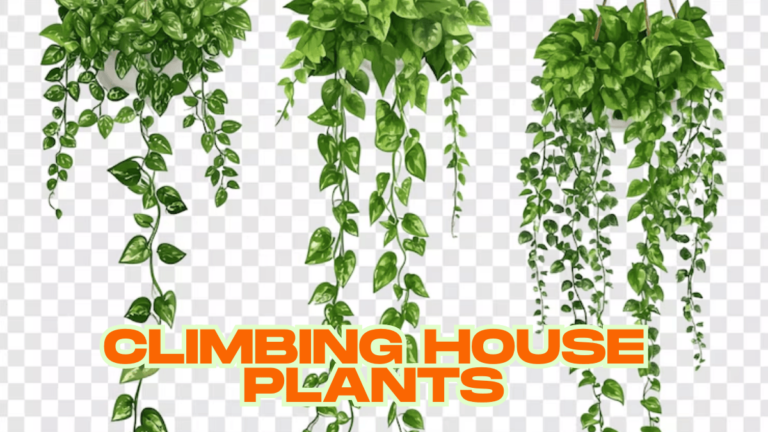
  • 15 Must-Have Indoor Climbing Plants to Elevate Your Decor

    15 Must-Have Indoor Climbing Plants to Elevate Your Decor

    Introduction Climbing house Plants

    Indoor climbing plants bring so much more than just greenery to your home. They’re the gift that keeps on giving, enhancing your space with their beauty and clean air. These plants are not only known for their ability to reduce stress and increase productivity, but they also offer a stylish, visual intrigue that makes your decor stand out. I’ve always been fascinated by the way climbing plants can transform a room, filling it with life and energy. For those who want to level up their interior design, indoor climbing plants are the way to go.

    Most of them thrive in filtered light with a bit of humidity, but they’re also quite forgiving. Even if you don’t have the perfect conditions, tweaking the water schedule can help them flourish. As Futeral recommends, giving them a bit of light and letting them dry out before watering will keep them healthy. Whether you’re a seasoned plant owner or a beginner, these plants are great low-maintenance houseplants that are sure to impress with their aesthetic appeal.

    15 Indoor Climbing House Plants to Take Your Decor to New Heights

    [su_note]If you’re looking for the best indoor climbing plants, consider the Pothos Silver Splash, which features gorgeous blue-gray tones and silver streaking along its large leaves, making it an elegant addition to any room. The Cebu Blue Pothos offers a delicate, small-leafed appearance and thrives in shady spots with minimal care, while the Golden Pothos Plant brings a tropical feel with its huge leaves and immense impact, all while being low maintenance and air purifying—perfect for creating a calming environment.[/su_note]

    1.Pothos Silver Splash

    If you’re looking to add a touch of elegance to your space, Pothos Silver Splash might be just what you need. Its boasts large, impressive leaves with a blue-gray tone and stunning silver streaking, making it gorgeous to look at. Though it’s expensive and not pet friendly, its air purifying properties make it a great choice for enhancing your indoor environment.

    2.Cebu Blue Pothos

    Its small leaves and unique blue-gray tone give it a nuanced look. This vining plant is fast-growing, and although it’s not pet friendly, it thrives in shady areas with minimal care—just water infrequently and watch it climb!

    3.Golden Pothos Plant

    Add a tropical feel to your home with the Golden Pothos Plant. This variety features huge leaves that are bound to create an immense impact in your space. Low maintenance and shade-seeking, it’s perfect for those who want a vacation home vibe. However, you might want to invest in a humidifier during dry months to keep it thriving.

    4.Rhaphidophora Tetrasperma

    Another easy to care for climbing option is Rhaphidophora Tetrasperma known for its climbing potential and unique appearance, this fast-growing plant is often compared to a miniature Monstera. With a jungle feel, it’s great for creating a lush atmosphere when supported with a moss pole or plank of wood.

    5.Spider Plant Variegated

    The Spider Plant Variegated is a pet friendly option with pointy leaves that dangle beautifully. Its plantlets grow along the leaves, allowing you to propagate and create new plants. It’s perfect for hanging displays and adding a web-like effect to your decor.

    6.Philodendron Cordatum ‘Heartleaf’

    The Philodendron Cordatum, often called Heartleaf, is ideal for low to medium indirect sunlight. This plant grows quickly and has stunning heart-shaped leaves with bronze stem tones. It requires minimal waterings, making it a great choice for busy plant parents, though it’s toxic to pets.

    7.Mistletoe Cactus

    If you’re after something a bit different, try the Mistletoe Cactus. Its small size and trailing nature make it a unique addition to any indoor garden. The plant thrives in bright sunlight and can even be hung upside down in a hanging planter to create a striking visual effect.

    8.English Ivy

    For those who want a plant that can truly trail or climb, English Ivy is a fantastic option. This plant can grow up to 10 feet tall, making it a statement piece in any room. While it’s not pet friendly, it’s versatile enough to survive in various climates and shady spots.

    9.Ficus Repens

    Another excellent choice for indoor climbing is the Ficus Repens known for its quick growth, this plant has green leaf varieties or variegated leaves with white and green hues. While it can eventually cover a wall, it’s important to stay on top of its pruning needs.

    10.Mini Pink Jasmine Vine

    If you’re looking for something that’s not only beautiful but also offers an air purifying benefit, the Mini Pink Jasmine Vine is a great option. This pet friendly plant has a sweet aroma when it blooms, though it is high maintenance, requiring careful attention to sunlight, airflow, and frequent waterings.

    11.String of Pearls Succulent

    For a more unique succulent, consider the String of Pearls Succulent known for its teeny-tiny leaves resembling a pearl necklace, this plant thrives with ample light and well-drained soil. It also acts as a great air purifier while requiring minimal watering.

    12.Hoya Krimson Queen

    For a touch of regal charm, the Hoya Krimson Queen offers a gorgeous appearance with thick waxy leaves that retain water. This plant is nontoxic to pets and is perfect for an area with indirect bright light. It can grow up to six feet tall, making it a stunning addition to any room.

    13.Ceropegia Woodii

    Another nontoxic to pets plant is the Ceropegia Woodii Often referred to as the String of Hearts, this plant is a succulent with heart-shaped leaves. It requires bright warm spaces, though not direct sunlight, and only needs watering once a week to thrive.

    14.Bougainvillea

    Looking to add some color to your indoor garden? Bougainvillea is the way to go. This plant produces vibrant pink and purple flowers while also acting as an air purifier. It’s mildly toxic to pets, so keep that in mind, but it thrives in direct sunlight and requires only occasional watering.

    15.String of Turtles

    Lastly, the String of Turtles is a perfect addition to your decor. Its tortoise’s shell-like leaves are unique, and it is a resilient plant that requires only indirect sunlight and weekly watering to thrive.

  • How to Care for Aloe Vera Plant: Expert Tips

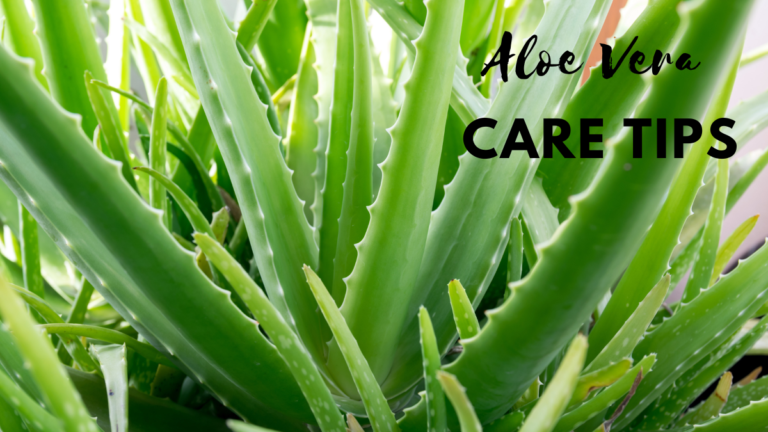
    How to Care for Aloe Vera Plant: Expert Tips

    Aloe vera, also known as the “plant of immortality,” has been revered for centuries for its healing properties and striking beauty. Whether you’re a beginner or an experienced plant parent, learning how to care for aloe vera plant is essential to keeping it healthy and vibrant.

    This hardy succulent is not just visually appealing, but it also offers a plethora of benefits. From soothing skin burns to purifying the air, aloe vera is a versatile plant that thrives with minimal care. So, if you’re ready to embrace this amazing plant in your home or garden, keep reading for expert tips on how to keep your aloe vera plant healthy and thriving.

    Why Aloe Vera is a Perfect Plant for You

    Before diving into the specifics of how to care for aloe vera plant, let’s first take a moment to understand why aloe vera is so popular. Aloe vera is a succulent, meaning it stores water in its fleshy leaves, allowing it to survive with less frequent watering. This makes it an ideal plant for busy people, beginners, or anyone who may not have a green thumb.

    Native to the Arabian Peninsula, aloe vera is now grown all over the world. It’s a resilient plant that can handle diverse conditions but thrives in specific environments. Aloe vera’s long, spiky leaves and striking green color add a touch of elegance to any space. The gel inside its leaves has been used for centuries in skincare and medicinal treatments, making it an invaluable addition to any home.

    How to Care for Aloe Vera Plant

    1. Light Requirements for Aloe Vera

    Aloe vera plants love light, but they’re not fans of direct sunlight. Too much sunlight can cause the leaves to burn, leaving behind brown or orange spots. To ensure your aloe vera thrives, place it in a bright spot with indirect sunlight. Think of a south or west-facing window where the plant gets plenty of light, but isn’t exposed to the harsh midday sun.

    If growing aloe vera outdoors, aim for a location that gets 2-3 hours of sunlight per day. Avoid placing it in an area where it is exposed to hot afternoon rays. In fact, placing aloe vera under the shade of taller plants or next to a wall that reflects light can provide the perfect amount of indirect sunlight.

    2. Watering Aloe Vera: Less is More

    One of the most common mistakes people make when caring for aloe vera is overwatering. Aloe vera plants are drought-tolerant and can easily survive in dry soil. The key is to wait until the soil is completely dry before watering. To check, insert your finger into the soil about 2 inches deep. If it feels dry, it’s time to water. If it still feels moist, wait a few more days before checking again.

    During the warmer months, aloe vera may need watering every 7-14 days, depending on the temperature and humidity levels. In the winter, watering can be reduced to once every 3-4 weeks as the plant enters a dormant period.

    3. Choosing the Right Soil for Aloe Vera

    Aloe vera needs well-draining soil to thrive. Cactus and succulent mixes are perfect for aloe vera as they allow excess water to flow through, preventing root rot. When planting aloe vera in a pot, make sure there are drainage holes at the bottom of the pot. This ensures that water doesn’t accumulate at the bottom and keeps the roots from getting waterlogged.

    If you’re planting aloe vera outdoors, ensure the soil is sandy or gravelly and drains quickly. Aloe vera doesn’t like to sit in water, so it’s essential to plant it in a location with good drainage.

    4. Temperature Needs for Aloe Vera

    Aloe vera is relatively low-maintenance when it comes to temperature. It thrives in warm environments, typically between 59°F to 77°F (15°C to 25°C). If growing it indoors, your typical home temperature should be ideal. However, make sure to avoid placing your aloe vera near cold drafts, air conditioners, or heaters. These fluctuations can stress the plant.

    In areas with freezing temperatures, it’s essential to bring aloe vera indoors during the winter months. Aloe vera is hardy to around 28°F (-2°C), but anything colder than that can damage the plant.

    5. Potting and Repotting Aloe Vera

    When choosing a pot for your aloe vera, opt for a sturdy one with drainage holes. Concrete or ceramic pots are ideal as they’re heavy enough to prevent the plant from toppling over as it grows. Aloe vera plants can become top-heavy, especially when they’re large and mature, so it’s important to use a pot that supports its weight.

    Aloe vera doesn’t need frequent repotting, and they do well in pots that are a little snug. Typically, you can repot your aloe vera every 1-2 years or when it outgrows its pot.

    How to Propagate Aloe Vera

    Aloe vera is a plant that loves to multiply. It naturally produces offsets or “pups” that grow at the base of the mother plant. These pups can be carefully separated and repotted to grow into new aloe vera plants.

    To propagate aloe vera:

    • Gently remove the pup from the soil.
    • Let the pup dry out for a day or two to form a callus over the cut surface.
    • Plant the pup in a small pot with well-draining soil.
    • Water sparingly until the pup begins to show signs of new growth.

    Common Aloe Vera Issues and How to Solve Them

    Aloe vera is a tough plant, but like all plants, it can face a few issues from time to time. Let’s go over some common problems and their solutions:

    IssueSolution
    Yellow or Brown LeavesThis can indicate too much sunlight or overwatering. Move to a more shaded area and reduce watering.
    Soft, Mushy LeavesOften caused by overwatering. Make sure the soil dries out between waterings and check for root rot.
    Pests (e.g., Mealybugs, Aphids)Use a cotton swab dipped in rubbing alcohol to remove pests, or gently spray the plant with a hose.
    Root RotEnsure proper drainage, and never let the plant sit in water. If roots are rotting, prune them before repotting.

    Can You Use Aloe Vera Gel?

    Aloe vera gel is famous for its soothing properties, especially for skin burns and irritation. You can safely cut mature leaves from your aloe vera plant to extract the gel. Simply slice the leaf open, and scoop out the gel inside. This gel can be applied directly to minor burns, cuts, or insect bites.

    Important Note: While the gel is safe for external use, it’s not recommended to consume the gel. It can be mildly toxic to humans and pets if ingested.

    Benefits of Aloe Vera Plant

    Aloe vera is not just a decorative houseplant – it offers several health and wellness benefits, such as:

    • Natural Skin Care: Aloe vera gel is known for its ability to hydrate and heal the skin. It can help reduce the appearance of scars and promote wound healing.
    • Air Purification: Like many houseplants, aloe vera helps purify the air by removing toxins and producing oxygen.
    • Medicinal Uses: Aloe vera has been used in traditional medicine for centuries to treat digestive issues, skin problems, and inflammation.

    Pros and Cons of Aloe Vera Plant Care

    ProsCons
    Low-maintenance, perfect for busy peopleSensitive to overwatering
    Can be used for skin treatments and first aidNeeds bright light, but not direct sun
    Ideal for both indoor and outdoor gardeningCan be toxic to pets if ingested
    Helps purify the airLeaves can become heavy as the plant matures
    Drought-tolerant, doesn’t require frequent wateringNeeds well-draining soil to avoid root rot

    Conclusion: Growing Aloe Vera Made Easy

    Caring for an aloe vera plant doesn’t have to be complicated. With just a little attention to light, water, and soil, you can enjoy a thriving aloe vera plant that brings both beauty and health benefits to your space. By following these simple tips, you’ll ensure that your aloe vera thrives, whether it’s growing in your home, garden, or as a decorative piece in your living room.

    So, if you’re looking for a plant that’s stylish, easy to maintain, and beneficial to your health, aloe vera is the perfect choice. Start small, follow these tips, and watch your aloe vera flourish into a beautiful and functional plant.