Tag: houseplants

  • 15 Must-Have Indoor Climbing Plants to Elevate Your Decor

    15 Must-Have Indoor Climbing Plants to Elevate Your Decor

    Introduction Climbing house Plants

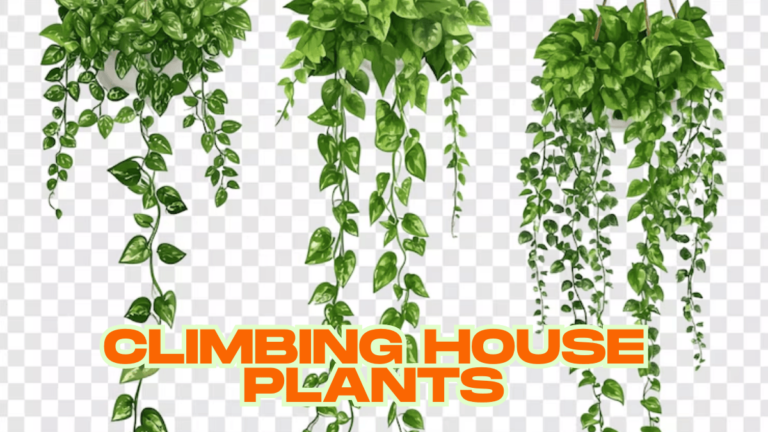
    Indoor climbing plants bring so much more than just greenery to your home. They’re the gift that keeps on giving, enhancing your space with their beauty and clean air. These plants are not only known for their ability to reduce stress and increase productivity, but they also offer a stylish, visual intrigue that makes your decor stand out. I’ve always been fascinated by the way climbing plants can transform a room, filling it with life and energy. For those who want to level up their interior design, indoor climbing plants are the way to go.

    Most of them thrive in filtered light with a bit of humidity, but they’re also quite forgiving. Even if you don’t have the perfect conditions, tweaking the water schedule can help them flourish. As Futeral recommends, giving them a bit of light and letting them dry out before watering will keep them healthy. Whether you’re a seasoned plant owner or a beginner, these plants are great low-maintenance houseplants that are sure to impress with their aesthetic appeal.

    15 Indoor Climbing House Plants to Take Your Decor to New Heights

    [su_note]If you’re looking for the best indoor climbing plants, consider the Pothos Silver Splash, which features gorgeous blue-gray tones and silver streaking along its large leaves, making it an elegant addition to any room. The Cebu Blue Pothos offers a delicate, small-leafed appearance and thrives in shady spots with minimal care, while the Golden Pothos Plant brings a tropical feel with its huge leaves and immense impact, all while being low maintenance and air purifying—perfect for creating a calming environment.[/su_note]

    1.Pothos Silver Splash

    If you’re looking to add a touch of elegance to your space, Pothos Silver Splash might be just what you need. Its boasts large, impressive leaves with a blue-gray tone and stunning silver streaking, making it gorgeous to look at. Though it’s expensive and not pet friendly, its air purifying properties make it a great choice for enhancing your indoor environment.

    2.Cebu Blue Pothos

    Its small leaves and unique blue-gray tone give it a nuanced look. This vining plant is fast-growing, and although it’s not pet friendly, it thrives in shady areas with minimal care—just water infrequently and watch it climb!

    3.Golden Pothos Plant

    Add a tropical feel to your home with the Golden Pothos Plant. This variety features huge leaves that are bound to create an immense impact in your space. Low maintenance and shade-seeking, it’s perfect for those who want a vacation home vibe. However, you might want to invest in a humidifier during dry months to keep it thriving.

    4.Rhaphidophora Tetrasperma

    Another easy to care for climbing option is Rhaphidophora Tetrasperma known for its climbing potential and unique appearance, this fast-growing plant is often compared to a miniature Monstera. With a jungle feel, it’s great for creating a lush atmosphere when supported with a moss pole or plank of wood.

    5.Spider Plant Variegated

    The Spider Plant Variegated is a pet friendly option with pointy leaves that dangle beautifully. Its plantlets grow along the leaves, allowing you to propagate and create new plants. It’s perfect for hanging displays and adding a web-like effect to your decor.

    6.Philodendron Cordatum ‘Heartleaf’

    The Philodendron Cordatum, often called Heartleaf, is ideal for low to medium indirect sunlight. This plant grows quickly and has stunning heart-shaped leaves with bronze stem tones. It requires minimal waterings, making it a great choice for busy plant parents, though it’s toxic to pets.

    7.Mistletoe Cactus

    If you’re after something a bit different, try the Mistletoe Cactus. Its small size and trailing nature make it a unique addition to any indoor garden. The plant thrives in bright sunlight and can even be hung upside down in a hanging planter to create a striking visual effect.

    8.English Ivy

    For those who want a plant that can truly trail or climb, English Ivy is a fantastic option. This plant can grow up to 10 feet tall, making it a statement piece in any room. While it’s not pet friendly, it’s versatile enough to survive in various climates and shady spots.

    9.Ficus Repens

    Another excellent choice for indoor climbing is the Ficus Repens known for its quick growth, this plant has green leaf varieties or variegated leaves with white and green hues. While it can eventually cover a wall, it’s important to stay on top of its pruning needs.

    10.Mini Pink Jasmine Vine

    If you’re looking for something that’s not only beautiful but also offers an air purifying benefit, the Mini Pink Jasmine Vine is a great option. This pet friendly plant has a sweet aroma when it blooms, though it is high maintenance, requiring careful attention to sunlight, airflow, and frequent waterings.

    11.String of Pearls Succulent

    For a more unique succulent, consider the String of Pearls Succulent known for its teeny-tiny leaves resembling a pearl necklace, this plant thrives with ample light and well-drained soil. It also acts as a great air purifier while requiring minimal watering.

    12.Hoya Krimson Queen

    For a touch of regal charm, the Hoya Krimson Queen offers a gorgeous appearance with thick waxy leaves that retain water. This plant is nontoxic to pets and is perfect for an area with indirect bright light. It can grow up to six feet tall, making it a stunning addition to any room.

    13.Ceropegia Woodii

    Another nontoxic to pets plant is the Ceropegia Woodii Often referred to as the String of Hearts, this plant is a succulent with heart-shaped leaves. It requires bright warm spaces, though not direct sunlight, and only needs watering once a week to thrive.

    14.Bougainvillea

    Looking to add some color to your indoor garden? Bougainvillea is the way to go. This plant produces vibrant pink and purple flowers while also acting as an air purifier. It’s mildly toxic to pets, so keep that in mind, but it thrives in direct sunlight and requires only occasional watering.

    15.String of Turtles

    Lastly, the String of Turtles is a perfect addition to your decor. Its tortoise’s shell-like leaves are unique, and it is a resilient plant that requires only indirect sunlight and weekly watering to thrive.

  • Best Fertilizers for Indoor and Urban Plants

    Best Fertilizers for Indoor and Urban Plants

    Understanding Plant Fertilizer

    Plants absorb their nutrients from the soil or potting medium they grow in. Most plants arrive from the greenhouse with some fertilizer mixed in already, but as they grow, these nutrients are absorbed and depleted, requiring replenishment.In this article we will discuss the Best Fertilizers for Indoor Plants.Fertilizers come with an N-P-K ratio, representing the balance of Nitrogen, Phosphorus, and Potassium. Each element plays a crucial role in plant health:

    • Nitrogen (N): Fuels leafy growth and is essential for chlorophyll production.
    • Phosphorus (P): Supports root development, bud formation, and fruiting.
    • Potassium (K): Helps regulate water balance, prevents excessive moisture loss, and enhances overall plant health.

    Pro Tip: A balanced fertilizer with an equal N-P-K ratio (e.g., 10-10-10) is suitable for most houseplants. However, some plants may require more specific ratios, such as high-nitrogen for foliage plants or high-phosphorus for flowering plants.

    Choosing the Right Fertilizer

    With so many fertilizers on the market, selecting the right one can be daunting. Here are some factors to consider:

    • Plant type: Different plants have unique nutritional needs. For example, succulents require less fertilizer than flowering plants.
    • Growth stage: Plants in the active growing season (spring-summer) require more nutrients than those in dormancy (fall-winter).
    • Soil type: The type of potting mix used can affect fertilizer choice. For instance, organic potting mixes may require less fertilizer.

    Personal Experience: I once used a high-nitrogen fertilizer on my peace lily, thinking it would promote healthy growth. However, it ended up causing more harm than good, leading to weak and leggy stems. Now, I opt for a balanced fertilizer and monitor my plants’ responses to adjust as needed.

    Why Fertilizers Matter

    Indoor plants depend on you to replenish their soil’s nutrients. Over time, even premium potting mixes lose their vitality. Fertilizers restore essential elements like nitrogen (N), phosphorus (P), and potassium (K), ensuring robust growth and resilience.

    How to Fertilize Indoor Plants

    Fertilizing is beneficial during the active growing season, typically from spring to summer. During this time, plants are actively using resources and nutrients for new growth and reproduction. Here’s a step-by-step guide on how to fertilize:

    1. Choose the right fertilizer: Select a fertilizer that matches your plant’s needs, considering factors like N-P-K ratio and growth stage.
    2. Dilute the fertilizer: Follow the instructions on the label to dilute the fertilizer to the recommended strength.
    3. Water your plants: Water your plants as you normally would, using the diluted fertilizer solution.
    4. Monitor and adjust: Observe your plants’ responses to the fertilizer and adjust as needed.

    Pro Tip: Fertilize your plants in the morning, allowing them to absorb the nutrients throughout the day.

    When to Fertilize: Seasonal Timing

    • Spring-Summer: Feed every 4-6 weeks during active growth.
    • Fall-Winter: Pause unless your plant shows new growth (common in tropical species like fiddle leaf figs).

    Exception: My bird of parad

    3 Critical Signs Your Plant Needs Nutrients

    1. Yellow Leaves with Green Veins: Magnesium deficiency. Fix with Epsom salt spray (1 tsp/gallon water).
    2. Purple Undersides: Phosphorus shortage. Use bone meal or bloom booster.
    3. Leggy Growth: Low potassium. Try seaweed extract or banana peel tea.

    3 Signs Your Plant Needs Fertilizer

    Here are three common signs that your plant needs fertilizer:

    1. Yellowing leaves: If your plant’s leaves are turning yellow, it may be a sign of nitrogen deficiency.
    2. Slow growth: If your plant is not growing as quickly as expected, it may be due to a lack of phosphorus or potassium.
    3. Pale foliage: If your plant’s leaves are pale or washed out, it may indicate a magnesium deficiency.

    Pro Tip: Before fertilizing, ensure you’ve ruled out other potential causes of these symptoms, such as overwatering or underwatering.

    Organic vs. Synthetic Fertilizers

    The debate between organic and synthetic fertilizers is ongoing. Here’s a brief comparison:

    AspectOrganicSynthetic
    SpeedSlow-release (weeks)Fast-acting (days)
    Soil HealthImproves microbiomeCan harm beneficial microbes
    SafetyNon-toxic for ediblesRisk of salt buildup
    Eco-ImpactSustainableChemical runoff risks

    Expert Insight: Horticulturist Tim Flood notes, “Organic fertilizers are a better choice for the environment and can provide long-term benefits for soil health.”

    Soil pH and Fertilizer

    Soil pH plays a crucial role in nutrient availability. Most houseplants prefer a slightly acidic to neutral soil pH (6.0-7.0). However, some plants like acid-loving species (e.g., azaleas, blueberries) require a more acidic soil pH (5.5-6.5).

    • Soil testing: Regular soil testing can help determine the optimal fertilizer for your plants.
    • pH adjustment: If necessary, adjust the soil pH using lime or sulfur to create an optimal environment for your plants.

    Pro Tip: Use a soil test kit to determine your soil’s pH and nutrient levels before fertilizing.

    Fertilizers for Specific Plants

    Different plants have unique fertilizer requirements. Here are some examples:

    • Succulents: Use a low-nitrogen, water-soluble fertilizer (e.g., 2-7-7) during the growing season.
    • Orchids: Feed with a balanced, water-soluble fertilizer (e.g., 10-10-10) every 2-3 weeks.
    • Tomatoes: Use a high-phosphorus fertilizer (e.g., 5-10-5) to promote fruiting.

    Pro Tip: Research the specific fertilizer needs of your plants to ensure you’re providing the best nutrition.

    Special Cases: Edibles & Delicate Plants

    • Herbs (Basil, Mint): Use compost tea every 3 weeks.
    • Tomatoes: Opt for 5-10-5 fertilizer to prioritize fruit over leaves.
    • Orchids: Mist with diluted fish emulsion (1/4 strength) monthly.

    Eco-Hack: I use homemade worm castings

    FAQs

    Q: Can I use outdoor fertilizer for indoor plants?
    A: No, outdoor fertilizers are too concentrated and may harm indoor plants.
    Q: How often should I fertilize my indoor plants?
    A: Fertilize every 2-4 weeks during the growing season, depending on the plant’s needs.
    Q: Are organic fertilizers better than synthetic ones?
    A: Organic fertilizers are generally safer for the environment and can provide long-term benefits for soil health.

    Q: Can I use outdoor fertilizer indoors?
    A: No! They’re too concentrated and may burn roots.

    Q: How often should I fertilize succulents?
    A: Every 8-10 weeks in summer with a cactus-specific mix.

    Q: Are eggshells good fertilizer?
    A: Yes! Crush and steep in water for a calcium-rich brew.

    Pro Tip: Consider a balanced fertilizer as a starting point and adjust based on your plant’s response.

    Conclusion

    Fertilizing your indoor plants is an essential part of their care. By understanding the different types of fertilizers, their benefits, and how to use them, you can create a thriving indoor garden. Remember to choose the right fertilizer for your plants, follow the instructions, and monitor their responses. With the right nutrients, your plants will flourish, and you’ll enjoy the many benefits of indoor gardening.

  • Ultimate Spider Plant Care Guide

    Ultimate Spider Plant Care Guide

    Spider plants are among the most beloved houseplants, adored for their low maintenance, attractive foliage, and easy-going nature. Whether you’re a beginner or a seasoned plant enthusiast, caring for a spider plant is both rewarding and simple. Known for their ability to thrive on minimal attention, these plants are perfect for busy individuals or anyone who might struggle to remember plant care routines. In this detailed guide, we’ll cover everything you need to know about spider plant care, ensuring your plant thrives in your home or office.

    Why Spider Plants are So Popular

    Spider plants, or Chlorophytum comosum, are well-known for their charming appearance and health benefits. They are versatile, adaptable, and resilient, making them an excellent choice for nearly any space. Unlike many plants that require consistent pampering, spider plants thrive on neglect. They are known for being beginner-friendly, easy to propagate, and safe for pets, making them a must-have for any plant lover.

    But what exactly makes them stand out among other indoor plants?

    • Low-maintenance: These plants don’t need constant care. They require occasional watering, light, and a bit of fertilizing during their growing season. That’s about it.
    • Air-purifying qualities: Spider plants have been shown to remove harmful toxins from indoor air, improving your environment.
    • Pet-friendly: Unlike many popular houseplants, spider plants are non-toxic to cats, dogs, and other pets.

    In this article, we’ll dive into spider plant care, covering everything from watering and light needs to propagation tips and dealing with pests. By the end of this guide, you’ll be a spider plant expert!

    Spider Plant Care: Key Factors to Keep in Mind

    Let’s explore the essential components of caring for your spider plant, ensuring it remains healthy and vibrant.

    1. Watering Your Spider Plant

    Spider plants are relatively tolerant when it comes to watering. However, they do prefer their soil to remain slightly moist. Here’s a quick breakdown of how to water your spider plant properly:

    • Frequency: During the warmer months (spring and summer), water your spider plant about once a week. In the cooler months (fall and winter), you can reduce the watering frequency.
    • How to Check: Stick your finger about two inches into the soil. If it feels dry, it’s time to water. Avoid overwatering, as it can lead to root rot.
    • Water Quality: If possible, use distilled or rainwater for your plant. Spider plants are sensitive to fluoride and chlorine in tap water, which can cause browning on the tips of the leaves.

    Pro Tip: Keep a consistent watering schedule but avoid letting the plant sit in water, as this can cause root rot.

    2. Lighting Conditions for Spider Plants

    While spider plants are forgiving when it comes to lighting, they do thrive best in bright, indirect light. Here’s what you need to know:

    • Ideal Light: Place your spider plant near a window where it receives indirect light. Avoid direct sunlight, as this can scorch the leaves.
    • Low Light: Although spider plants tolerate low light conditions, they will grow slower and may not produce as many plantlets.
    • Signs of Too Much Sun: If the tips of the leaves start to turn brown, your plant might be getting too much direct sunlight.

    3. Temperature and Humidity Requirements

    Spider plants are tropical plants, so they prefer warmer temperatures and a moderate level of humidity. Here’s the lowdown:

    • Ideal Temperature: Spider plants thrive in temperatures between 60°F and 75°F (16°C to 24°C). Protect them from drafts and avoid placing them in areas with temperatures below 50°F (10°C).
    • Humidity Needs: These plants enjoy moderate humidity levels, ideally between 40% and 60%. If your home is dry, consider placing your spider plant on a humidifier tray or grouping it with other plants to increase the humidity.

    4. Fertilization: Do Spider Plants Need Extra Nutrients?

    Spider plants do benefit from occasional feeding, but they don’t require a lot of fertilizer. Here’s how to go about it:

    • Frequency: Fertilize your spider plant once a month during its active growing period (spring and summer).
    • Type of Fertilizer: Use a balanced liquid fertilizer or an all-purpose plant food. Be careful not to over-fertilize, as this can result in brown tips and weak growth.
    • Winter Dormancy: During the colder months, when your plant enters a semi-dormant state, avoid fertilizing.

    5. Pruning and Maintenance

    Although spider plants are low-maintenance, a little bit of attention can go a long way in keeping your plant healthy and looking its best. Here’s how to prune and maintain it:

    • Remove Dead Leaves: As your spider plant grows, it’s normal for some leaves to turn brown or yellow. Simply snip them off at the base.
    • Trimming Plantlets: If you notice a lot of “spidettes” (the small offshoots of the plant), you can trim them to redirect the plant’s energy to the main plant.

    Propagation: How to Grow More Spider Plants

    One of the best things about spider plants is how easy they are to propagate. If you’re looking to expand your collection or share the love, here’s how you can do it:

    1. When to Propagate: Wait until the spidettes have long roots (about 1-2 inches) before cutting them off.
    2. Potting the Plantlets: Place the rooted spidettes in well-draining soil and keep the soil moist (but not soggy) until the plant becomes established.
    3. Alternative Method (without roots): If the plantlets haven’t formed roots, place them in a small pot with moist soil. Once they develop roots, cut them off and repot them.

    Common Issues with Spider Plants and How to Fix Them

    Despite their hardiness, spider plants can face a few common problems. Below, we address some of these issues and offer solutions:

    ProblemSolution
    Browning Leaf TipsOften caused by over-fertilizing, fluoride, or too much sun. Move plant to indirect light and use filtered water.
    Leggy GrowthCut back plantlets to redirect energy to the main plant or repot if root-bound.
    Yellowing LeavesMay indicate overwatering. Ensure good drainage and water only when soil is dry.
    Pests (Aphids, Mites)Rinse the plant with water, or use neem oil or insecticidal soap for severe infestations.

    FAQs about Spider Plant Care

    Q1: How often should I water my spider plant?
    A1: Water your spider plant once a week during warmer months. In cooler months, reduce watering but keep the soil moist.

    Q2: Can spider plants grow in low light?
    A2: Yes, spider plants tolerate low light but grow better with indirect light. Avoid direct sunlight, which can burn the leaves.

    Q3: What’s the best way to propagate a spider plant?
    A3: Cut the plantlets once they have developed roots and pot them in moist soil. Alternatively, place the plantlet in a new pot to allow roots to grow before snipping.

    Q4: Are spider plants safe for pets?
    A4: Yes, spider plants are non-toxic to pets, making them a great choice for households with animals.

    Conclusion: A Plant That’s Here to Stay

    Spider plants continue to be a favorite in homes and offices for good reason. Their easy-going nature, coupled with their air-purifying qualities, makes them the perfect plant for any space. With simple care tips like occasional watering, avoiding direct sunlight, and occasional pruning, your spider plant can thrive for years.

    Whether you’re a new plant owner or a seasoned gardener, the spider plant offers a wonderful opportunity to add greenery and life to your environment. The best part? You don’t have to be an expert to keep it thriving. Just follow the tips in this guide, and your spider plant will reward you with lush, vibrant foliage and even new plantlets to propagate. Happy planting!