Tag: houseplant care

  • Conquer Purple Passion Plant Care: Expert Tips & Tricks (2025)

    Conquer Purple Passion Plant Care: Expert Tips & Tricks (2025)

    The purple passion plant (Gynura aurantiaca), also known as the velvet plant, captivates gardeners with its vibrant purple foliage and unique velvety texture. Native to Southeast Asia, this evergreen perennial is cherished as a houseplant in many regions. Proper care ensures that your purple passion plant remains healthy and continues to enhance your indoor space.

    Understanding the Purple Passion Plant Care

    The purple passion plant is renowned for its striking dark green leaves adorned with soft purple hairs, giving them a velvety appearance. While it can produce clusters of yellow, orange, or red flowers, these blooms are often removed due to their strong odor and the plant’s tendency to flower prolifically, which can detract from its ornamental value.

    Optimal Growing Conditions

    To cultivate a thriving purple passion plant, it’s essential to replicate its native tropical environment. This involves careful attention to light, temperature, humidity, soil, and watering practices.

    Light Requirements

    Purple passion plants flourish in bright, indirect light. Exposure to direct sunlight, especially during the afternoon, can scorch their delicate leaves. Inadequate light may lead to leggy growth and a reduction in the vibrancy of the purple coloration. Positioning the plant near a north or east-facing window, or using sheer curtains to diffuse intense sunlight, is ideal.

    Temperature and Humidity

    These plants thrive in temperatures ranging from 60°F to 75°F (16°C to 24°C). It’s crucial to keep them away from cold drafts and sudden temperature fluctuations, as these can cause stress and hinder growth. While they can adapt to average indoor humidity, maintaining higher humidity levels can enhance their appearance and overall health.

    Soil Composition

    A well-draining potting mix is vital for the health of the purple passion plant. A recommended blend includes potting soil, peat moss, and perlite, which together provide the necessary drainage and moisture retention. Ensuring the soil doesn’t become waterlogged helps prevent root rot, a common issue with this species.

    Watering Practices

    Purple Passion Plant Care

    Maintaining consistent soil moisture is key. Water the plant regularly during its active growing season, ensuring the soil feels slightly moist to the touch but not soggy. Overwatering can lead to root rot, so it’s important to let the top inch of soil dry out between waterings. During the winter months, reduce watering frequency as the plant’s growth slows.

    Fertilization

    To support vigorous growth, fertilize the purple passion plant every two weeks during the spring and summer months using a balanced, water-soluble fertilizer diluted to half strength. This regimen provides essential nutrients without the risk of over-fertilization.

    Pruning and Maintenance

    Regular pruning encourages a bushier growth habit and prevents the plant from becoming leggy. Pinching back stems and removing spent flowers can also help maintain its attractive appearance. Additionally, removing flower buds before they bloom can prevent the release of the plant’s strong-smelling pollen and maintain its ornamental appeal.

    Common Issues and Troubleshooting

    Despite best efforts, gardeners may encounter challenges when growing purple passion plants. Being aware of potential problems allows for prompt and effective solutions.

    Pest Infestations

    Common pests include aphids, whiteflies, mealybugs, spider mites, and scale. Regularly inspecting the plant and using appropriate treatments, such as insecticidal soap or neem oil, can help manage infestations.

    Leaf Discoloration

    If the leaves lose their vibrant purple hue and appear green, it may indicate insufficient light. Increasing light exposure, while avoiding direct sunlight, can help restore the plant’s color. citeturn0search10

    Root Rot

    Overwatering or poor drainage can lead to root rot, characterized by wilting and yellowing leaves. To address this, ensure the pot has adequate drainage holes, use a well-draining soil mix, and adjust watering practices to allow the soil to dry out between waterings.

    Propagation Techniques

    Purple passion plants can be propagated through stem cuttings. Select healthy stems, cut them to about 4-6 inches in length, and remove the lower leaves. Place the cuttings in water or directly into moist soil, ensuring they receive indirect light. Roots typically develop within a few weeks, after which the new plants can be potted individually.

    Pros and Cons of Growing Purple Passion Plant

    Understanding the advantages and potential drawbacks of cultivating this plant can aid gardeners in making informed decisions.

    ProsCons
    Aesthetic Appeal: Vibrant purple foliage adds a unique touch to indoor spaces.Short Lifespan: Typically lives for 2-3 years, requiring regular propagation.
    Low Maintenance: Relatively easy to care for with proper conditions.Pest Susceptibility: Prone to infestations if not monitored regularly.
    Non-Toxic: Safe for households with pets and children.Flower Odor: Blooms have a strong scent that some may find unpleasant.
    Air Purification: Like many houseplants, contributes to improved indoor air quality.Humidity Sensitivity: Requires higher humidity levels, which may not be suitable for all environments.

    Conclusion

    Caring for the purple passion plant is a rewarding experience for those who enjoy adding a touch of vibrant beauty to their home or garden. With its rich, purple foliage and unique texture, this plant can become a stunning focal point in any indoor space. However, it requires specific care to thrive and maintain its appearance over time.

    By providing the right amount of light, water, and soil, along with regular pruning and pest management, you can enjoy the beauty of the purple passion plant for years to come. Remember that this plant, while hardy in the right conditions, can suffer from common problems such as overwatering, insufficient light, and pest infestations, but with the right care, these issues can be managed effectively.

    Moreover, propagation can be a fun and easy way to expand your collection and share the beauty of this unique plant with friends and family. So, if you’re looking for an ornamental plant that adds a pop of color and a touch of exotic flair to your home, the purple passion plant is an excellent choice.

    With proper care and attention, the purple passion plant will reward you with its stunning foliage and contribute to a healthy, beautiful living space. Whether you’re an experienced gardener or a novice plant enthusiast, this plant is sure to make an impression.

    FAQs about Purple Passion Plant Care

    1. How often should I water my purple passion plant?
      • Water the plant when the top inch of soil feels dry. During the growing season (spring and summer), this might be once every 5-7 days. In winter, reduce watering as the plant’s growth slows.
    2. Can I grow a purple passion plant in direct sunlight?
      • No, the purple passion plant prefers bright, indirect light. Direct sunlight can scorch the leaves, so place it near a window with filtered light.
    3. What temperature is ideal for purple passion plant growth?
      • Purple passion plants thrive in temperatures ranging from 60°F to 75°F (16°C to 24°C). They should be kept away from cold drafts or areas with fluctuating temperatures.
    4. How do I prune my purple passion plant?
      • Regular pruning involves cutting back any leggy growth and removing dead or faded flowers. This helps the plant maintain a compact, bushy form and encourages healthy growth.
    5. How can I propagate my purple passion plant?
      • Propagation is typically done through stem cuttings. Take a healthy stem cutting, remove the lower leaves, and either place it in water or directly into moist soil. After a few weeks, roots should develop, and the cutting can be potted into its own container.

  • Transforming Prayer Plant Care: Cultivating Lush Foliage with Ease (2025)

    Transforming Prayer Plant Care: Cultivating Lush Foliage with Ease (2025)

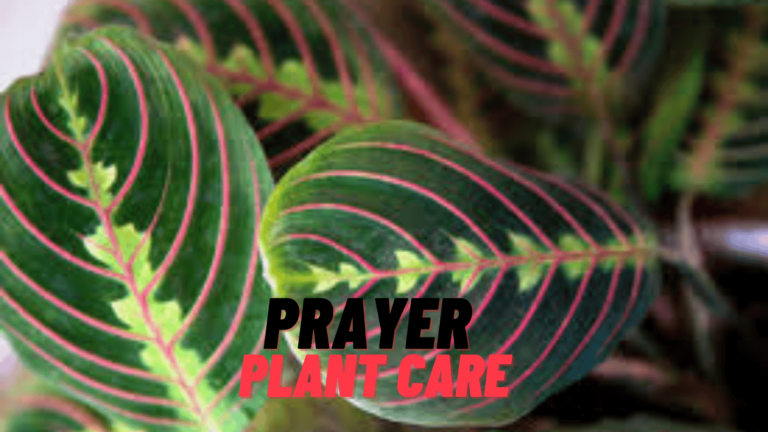
    The prayer plant (Maranta leuconeura) is a captivating species from the family Marantaceae, renowned for its striking foliage and remarkable ability to fold its leaves upwards at night, mimicking hands in prayer. In this comprehensive guide, we will explore the essential aspects of prayer plant care, including watering, lighting, humidity, soil, temperature, fertilization, pruning, propagation, and pest management.This unique characteristic is called nyctinasty, a form of circadian rhythm that allows the plant to protect itself from excess moisture and light during nighttime. The leaves themselves are a work of art, with intricate patterns that often display various shades of green, red, and purple depending on the variety.

    However, this beauty comes with specific care requirements. By understanding the plant’s natural habitat and replicating it as closely as possible in your home, you can enjoy a healthy, thriving prayer plant.

    Lighting: How to Get It Right

    Lighting

    Prayer plants are adapted to grow under the canopy of taller trees in the wild, meaning they naturally experience dappled sunlight. In your home, it’s crucial to mimic this environment by placing your plant in a spot that gets bright, indirect light. Direct sunlight can scorch the delicate leaves, causing them to develop brown spots or edges.

    The best location for your prayer plant is near a north or east-facing window, where it will get soft morning sunlight. If you’re unsure, you can always test the light levels by holding your hand above the plant—if the shadow is clear and defined, the light is too strong, and you may need to move the plant further away.

    Alternatively, if your home doesn’t have ample natural light, you can use a grow light to provide the necessary intensity without the risk of burning the leaves. Ensure the light is positioned a few feet above the plant to prevent damage.

    Watering: The Key to Health

    Watering is one of the most critical aspects of prayer plant care, and getting it right is essential for the overall health of your plant. Prayer plants require consistent moisture but should never sit in water logged soil, as this can lead to root rot.

    • Frequency of Watering: Water the plant when the top 1-2 inches of soil feel dry. During warmer months, your prayer plant may need more frequent watering, perhaps once a week. In the colder months, it may need less frequent watering as the plant’s growth slows down.
    • Watering Technique: Always water evenly around the base of the plant, ensuring that the entire root system receives moisture. Ensure the pot has drainage holes, and allow any excess water to drain out. Never let your prayer plant sit in standing water.
    • Water Quality: Tap water, especially hard water that contains high levels of minerals like fluoride and chlorine, can harm the plant over time. Distilled water or rainwater is the best choice for watering. If you must use tap water, let it sit out overnight to allow the chemicals to dissipate.
    • Signs of Overwatering or Underwatering: Overwatering leads to yellowing leaves and mushy stems, while underwatering will cause the leaves to wilt, curl, and become crispy, particularly at the edges.

    Humidity: A Crucial Element

    Prayer plants are native to the humid environments of Brazil’s tropical forests, where the humidity levels can reach 60% or higher. To replicate these conditions indoors, it’s essential to keep the air around your plant moist.

    • Ideal Humidity: Prayer plants prefer a humidity level between 50% to 60%. Anything below 40% can lead to brown tips on the leaves and general poor health.
    • How to Increase Humidity: If your indoor air is dry, especially during the winter months when heating systems dry out the air, consider using a humidifier to boost moisture levels. Another simple trick is to place a pebble tray beneath the plant’s pot. Fill the tray with water and small stones, ensuring the pot itself does not sit in the water. As the water evaporates, it will increase the humidity around the plant.
    • Misting: While misting can provide temporary relief, it’s not a long-term solution. Misting your prayer plant a few times a week can help, but it should be done early in the day to avoid fungal issues.

    Soil: Perfecting the Base

    The soil you use for your prayer plant is crucial for proper root development and moisture retention. You’ll want a soil mix that is well-draining yet retains enough moisture to keep the roots hydrated without becoming waterlogged.

    • Ideal Soil Type: A light, well-draining mix is key. The best mixture for a prayer plant includes:
      • Two parts sphagnum peat moss
      • One part perlite or vermiculite
      • One part well-draining potting soil or coconut coir

    This blend allows for proper aeration around the roots, preventing the dreaded root rot while providing enough moisture retention for the plant’s growth.

    • Repotting: Prayer plants do not require frequent repotting. However, every 1 to 2 years, when the plant becomes root-bound or the soil begins to deplete in nutrients, it’s time to move the plant to a slightly larger pot. When repotting, gently loosen the roots and avoid disturbing them too much to minimize stress.

    Temperature: Ideal Conditions for Growth

    Prayer plants prefer warm environments, so you should aim to keep them in a room with temperatures between 65°F and 80°F (18°C to 27°C). They are sensitive to temperature fluctuations and drafts, which can cause leaf curling and stress.

    • Avoid Cold Drafts: Keep your prayer plant away from air conditioners, heating vents, or windows that open frequently, as these temperature fluctuations can harm the plant.
    • Seasonal Adjustments: In colder months, the plant’s growth may slow down due to lower light levels and cooler temperatures, so reduce the watering frequency accordingly.

    Fertilizing: Boosting Growth

    Prayer plants grow actively in the spring and summer months, and during this time, they benefit from regular fertilization. Fertilization encourages healthy, vibrant foliage.

    • Type of Fertilizer: Use a balanced, water-soluble fertilizer with equal proportions of nitrogen (N), phosphorus (P), and potassium (K) to support the plant’s overall health.
    • Application Frequency: During the growing season (spring through summer), fertilize your prayer plant once every 2 weeks. In the fall and winter, reduce fertilization to once a month, as the plant’s growth slows significantly.
    • Signs of Over-fertilization: Over-fertilizing can cause the leaves to become scorched or have burnt edges. If you notice this, reduce the frequency of fertilizing and flush the soil with clean water to remove excess nutrients.

    Pest and Disease Management

    While prayer plants are relatively pest-resistant, they can occasionally attract spider mites, mealybugs, and aphids. Regularly inspect the undersides of leaves for signs of pests.

    • Dealing with Pests: Treat infestations promptly with neem oil or insecticidal soap. For mild infestations, wiping the leaves with a damp cloth can help remove pests.
    • Diseases: Root rot is a major concern for prayer plants, especially when the plant is overwatered or the soil does not drain well. To prevent root rot, always ensure proper drainage, and avoid allowing water to stagnate at the bottom of the pot.

    Pros and Cons of Growing Prayer Plants

    ProsCons
    Attractive Foliage: Prayer plants are known for their striking, patterned leaves that add an elegant and exotic touch to any space.Humidity Sensitivity: Prayer plants require high humidity levels to thrive, which can be challenging to maintain, especially in dry climates or during winter.
    Non-Toxic: These plants are safe for pets and humans, making them an excellent choice for households with animals or small children.Sensitive to Overwatering: Prayer plants are highly susceptible to root rot if they are overwatered, requiring careful monitoring of watering habits.
    Unique Leaf Movement: The leaves fold up at night, resembling hands in prayer, adding an intriguing, dynamic aspect to their care and appearance.Requires Frequent Attention: Due to their specific care needs (water, light, humidity), prayer plants can require more attention than other houseplants.
    Low Light Tolerance: Prayer plants can grow well in medium to low-light environments, making them versatile for various indoor settings.Pest-Prone: While generally resistant, prayer plants can attract common pests like spider mites, mealybugs, and aphids, which can be a hassle to manage.
    Aesthetic Appeal: With their colorful and patterned foliage, prayer plants enhance the décor of any room, becoming a statement piece.Slow Growth: These plants can grow slowly, particularly in low light conditions or when not given optimal care, which can be frustrating for some plant enthusiasts.
    Air Purification: Like many indoor plants, prayer plants help purify the air, improving the overall environment in your home.Prone to Leaf Damage: Prayer plants are sensitive to extreme temperature fluctuations and drafts, which can cause their leaves to curl or discolor.

    Conclusion: A Beautiful Journey of Care

    Caring for a prayer plant may seem like a lot of effort, but it’s a highly rewarding experience. By paying attention to its needs for indirect light, consistent watering, high humidity, and well-draining soil, your prayer plant can flourish and add beauty to your home for years to come. Remember, each plant is unique, so observe your plant’s individual needs and adjust care routines accordingly.

  • How to Care for a Monstera Plant (2025)

    How to Care for a Monstera Plant (2025)

    Monstera deliciosa, commonly known as the Swiss cheese plant or split-leaf philodendron, is a popular and striking houseplant. With its large, glossy, heart-shaped leaves and unique fenestrations (the holes and splits in the leaves), it’s no wonder that this tropical beauty is a favorite among plant enthusiasts. Not only is the Monstera a visually appealing addition to any space, but it is also relatively easy to care for, making it an ideal choice for beginners and experienced gardeners alike.

    In this article, we’ll dive deep to how to care for a monstera plant , types of monstera plants, propagation methods, and troubleshooting tips to keep your Monstera thriving. Whether you’re a novice or a seasoned plant parent, this guide will help you nurture your Monstera into a lush and healthy beauty.

    Understanding How to Care for a Monstera Plant

    Monstera plants thrive in humid, tropical environments, and they need specific conditions to grow to their full potential. They are native to Central America and prefer warm temperatures, indirect light, and well-draining soil. Here’s a breakdown of the essential care factors for a healthy Monstera deliciosa:

    Sunlight Requirements

    The Monstera deliciosa does best in bright, indirect sunlight. Direct sunlight can scorch its delicate leaves, so it’s important to find a spot with filtered light. If you’re growing your Monstera indoors, place it near a window with sheer curtains or use artificial grow lights if natural light is insufficient.

    In outdoor spaces, the Swiss cheese plant can grow under the canopy of larger trees, making it perfect for shaded or partially shaded areas. However, too little light can lead to leggy growth and fewer fenestrations (holes in the leaves).

    Soil and Potting Needs

    Monstera plants require well-draining soil to prevent root rot. A mix of peat-based soil with added perlite or shredded bark is ideal. This combination promotes aeration and drainage while providing the necessary nutrients. When choosing a pot for your Monstera, ensure it has ample drainage holes to allow excess water to escape.

    As your Monstera grows, it will eventually outgrow its pot. When this happens, repot your plant every couple of years into a larger container, increasing the pot size by a few inches to accommodate its expanding root system.

    Watering Your Monstera

    One of the most common mistakes people make when caring for Monstera plants is overwatering. These plants prefer to dry out between waterings, so it’s important to check the soil moisture regularly. Stick your finger into the soil; if the top 2-3 inches are dry, it’s time to water.

    During the growing season (spring and summer), Monstera may need watering once a week, but in the winter, when the plant is dormant, watering every couple of weeks should suffice. Always water deeply, ensuring that water runs out from the drainage hole at the bottom of the pot.

    Temperature and Humidity

    Monstera plants flourish in warm environments, typically between 65°F and 85°F. They are sensitive to cold temperatures and should be kept away from drafts and air conditioners. In terms of humidity, these plants prefer a humid environment, ideally around 60%. To boost humidity, you can mist the leaves or use a humidifier, particularly in dry indoor conditions.

    Propagating Monstera: Easy Methods for Growing New Plants

    Monstera deliciosa is relatively easy to propagate, whether by stem cuttings or air layering. Here’s a detailed guide on how to propagate your Monstera successfully:

    Stem Cutting Method

    Stem cuttings are the most common way to propagate Monstera. Follow these simple steps:

    1. Using clean, sharp scissors or pruning shears, cut a stem with a node (the bump where roots will grow) and at least one leaf.
    2. Place the cutting in a glass of water, ensuring the node is submerged. Change the water every 3-5 days.
    3. After a few weeks, you’ll see roots developing. Once the roots are a few inches long, transplant the cutting into fresh soil.

    Air Layering Method

    For a more advanced and risk-free propagation method, you can use air layering. Here’s how:

    1. Choose a healthy stem with a node.
    2. Cut a small notch in the stem below the node.
    3. Wrap sphagnum moss around the notch and moisten it. Cover it with plastic to keep the moss humid.
    4. After a few months, when roots have developed, cut the stem below the roots and plant the new Monstera in soil.

    Both methods are effective, but air layering tends to have a higher success rate, as it allows the roots to form while still attached to the parent plant.

    How to Get Monstera Leaves to Split

    Monstera leaves are famous for their unique splits, or fenestrations, which develop as the plant matures. To encourage the leaves to split, it’s important to provide optimal conditions for growth:

    1. Light: Ensure the plant receives plenty of bright, indirect light. A grow light can also help promote the formation of fenestrations.
    2. Watering: Maintain consistent watering, letting the soil dry out slightly between waterings.
    3. Fertilizing: Feed your Monstera with a balanced fertilizer every few months during the growing season. This helps provide essential nutrients for healthy leaf development.

    If your Monstera is growing slowly or not developing splits, it may not be receiving enough light or nutrients. Increasing light intensity or adding fertilizer can help stimulate new growth.

    Types of Monstera Plants: A Quick Overview

    Monstera deliciosa is just one of many species in the Monstera genus. Here are a few notable types of Monstera plants:

    • Monstera albo: This rare, variegated form of Monstera deliciosa has beautiful white splashes on its green leaves. It is often more expensive due to its scarcity and slower growth rate.
    • Monstera obliqua: Known for its delicate, airy leaves with large holes, Monstera obliqua is one of the rarest and most expensive varieties.
    • Monstera adansonii: Commonly called the Swiss cheese plant, it has larger leaves than the standard Monstera with more pronounced holes.
    • Monstera dubia: This vining species has small, round leaves with silvery markings and is commonly grown as a groundcover or climbing plant.

    Troubleshooting Common Monstera Problems

    Despite being relatively low-maintenance, Monstera plants can face a few issues. Here are some common problems and how to address them:

    Brown Leaf Tips: This often indicates dry soil or inconsistent watering. Regularly water your Monstera, making sure the soil doesn’t dry out completely.

    Yellow Leaves: If your Monstera’s leaves are turning yellow, it might be a sign of overwatering or insufficient light. Ensure proper drainage and provide adequate light.

    Wilting or Curling Leaves: This can occur due to overwatering or low humidity. Check the soil for moisture levels and consider using a humidifier if the air is too dry.

    FAQs about Monstera Care

    Q: How often should I water my Monstera?
    A: Water your Monstera once the top 2-3 inches of soil dry out. During the growing season, it may need watering once a week, but in winter, it may only require water every few weeks.

    Q: Can I grow Monstera outside?
    A: Yes, Monstera can be grown outside in USDA zones 10-12, where temperatures remain warm. It thrives in shaded or partially shaded areas.

    Q: How can I encourage Monstera leaves to split?
    A: To encourage leaf splits, provide bright, indirect light, and maintain consistent watering and fertilizing.

    Conclusion

    Caring for a Monstera deliciosa is straightforward once you understand its basic needs. With the right environment, watering routine, and occasional maintenance, your Monstera will reward you with beautiful, large, split leaves that add a tropical touch to your space. Whether you’re a beginner or an experienced plant enthusiast, this low-maintenance beauty is a perfect addition to any home.

    With the proper care, your Monstera can thrive for years, growing larger and more stunning as time goes on. So, take the time to nurture it, and you’ll enjoy its lush foliage and exotic charm in your home or garden.

    Pros and Cons of Monstera Care

    ProsCons
    Easy to care for once establishedToxic to pets and humans
    Can grow large, making a bold statementRequires proper lighting and humidity
    Attractive, unique leaves (fenestrations)Can suffer from root rot if overwatered
    Can be propagated easilyMay outgrow its pot over time