Tag: gardening tools

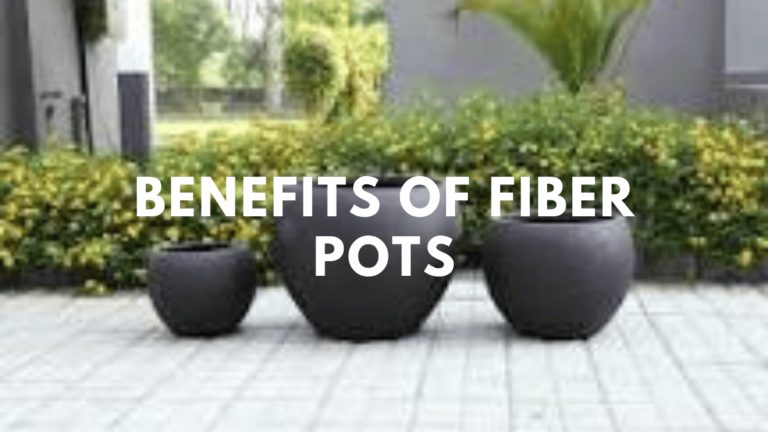
  • The Top 10 Benefits of Fiber Pots for Gardening Success

    The Top 10 Benefits of Fiber Pots for Gardening Success

    Introduction

    Fiber pots, often known as biodegradable or eco-friendly pots, are an innovative solution for gardeners seeking sustainable alternatives to traditional plastic containers. These pots are made from natural fibers, such as coconut coir, jute, or hemp, and are designed to provide a sturdy, environmentally friendly option for growing plants. The demand for these fiber flower pots is growing rapidly due to their many benefits, including their ability to retain moisture, promote healthy root growth, and reduce plastic waste in the environment.

    These eco-friendly gardening tools are widely used in both home gardens and professional horticulture due to their ability to maintain soil health while fostering plant growth. The growing popularity of fiber pots is a testament to the increasing demand for sustainable gardening products that support both the environment and plant health.

    How Fiber Pots Benefit Your Garden

    Fiber pots offer numerous benefits that make them a preferred choice for modern gardeners. One of the most significant advantages is their eco-friendliness. Unlike traditional plastic pots, which can take hundreds of years to decompose, fiber pots break down naturally over time, leaving behind minimal environmental impact. Additionally, these pots are made from renewable resources, making them a more sustainable option in today’s world.

    Another key benefit of fiber flower pots is their ability to promote healthy root growth. The natural fibers used in these pots allow for better air circulation to the roots, which encourages strong, healthy root systems. As the plant grows, the roots are able to penetrate the pot’s walls, leading to better root establishment and overall plant health.

    Moreover, fiber pots are known for their moisture retention properties. This is especially beneficial in areas where water conservation is a priority, or in urban gardens where access to water can be limited. The moisture retention abilities of fiber pots help keep plants hydrated for longer periods, reducing the need for frequent watering.

    The Eco-Friendly Nature of Fiber Pots

    With the growing concern over plastic pollution, fiber pots have emerged as an excellent alternative for gardeners looking to minimize their carbon footprint. The production of fiber pots requires fewer resources than plastic pots, and they can be made from recycled or sustainably sourced materials. This makes them a much more environmentally responsible option, especially for gardeners who are conscious about their ecological impact.

    Furthermore, fiber pots are biodegradable, meaning that when they are no longer needed, they decompose naturally. This process reduces the amount of waste that ends up in landfills and contributes to a healthier, cleaner planet. The biodegradability of fiber pots is particularly advantageous for gardeners who are looking for sustainable ways to dispose of their used gardening containers.

    Types of Fiber Pots and Their Uses

    Fiber pots come in a variety of shapes, sizes, and materials, making them versatile for a wide range of gardening applications. Common types of fiber flower pots include coconut coir pots, jute pots, and hemp-based pots. Each type has its unique benefits and can be chosen based on the specific needs of the plants being grown.

    Coconut coir pots, for instance, are made from the husks of coconuts and are known for their exceptional water retention properties. These pots are ideal for plants that require consistent moisture, such as tropical plants, succulents, and herbs. On the other hand, jute and hemp pots are stronger and more durable, making them well-suited for larger plants or those with more aggressive root systems.

    In addition to traditional garden use, fiber pots are also increasingly popular for container gardening, particularly in urban environments where space is limited. Their lightweight construction makes them easy to move, and they are an excellent choice for growing plants on balconies, patios, or rooftops.

    How Fiber Flower Pots Support Healthy Plant Growth

    When it comes to promoting plant health, fiber pots offer several advantages over traditional plastic pots. One of the key benefits is their ability to encourage strong root development. The porous nature of fiber pots allows for better airflow to the roots, which helps prevent root rot and promotes healthy growth.

    Fiber flower pots are also excellent at regulating moisture levels. The natural fibers used in these pots absorb and retain water, ensuring that plants receive adequate hydration without the risk of overwatering. This makes them particularly suitable for plants that thrive in consistently moist soil, such as ferns, mosses, and certain types of flowers.

    Additionally, fiber pots help maintain soil integrity by preventing the soil from becoming compacted. Over time, the natural fibers break down and enrich the soil, providing essential nutrients to the plants. This makes fiber flower pots a great choice for gardeners who prioritize organic and sustainable gardening practices.

    Pros and Cons of Fiber Pots

    ProsCons
    Eco-Friendly: Made from natural fibers and biodegradable.Limited Durability: May not last as long as plastic pots, especially in harsh weather conditions.
    Promotes Root Growth: The porous material allows roots to breathe and grow freely.Higher Cost: Fiber pots can be more expensive than plastic alternatives.
    Moisture Retention: Ideal for water conservation and consistent hydration.May Decompose Quickly: In extreme conditions, fiber pots may break down faster than expected.
    Biodegradable: Environmentally responsible choice for gardeners.Limited Availability: May not be as widely available as plastic pots in all regions.

    How to Choose the Right Fiber Pot for Your Garden

    Selecting the right fiber flower pot for your garden depends on several factors, including the size of your plants, the climate you live in, and the specific needs of your garden. It’s essential to consider the material of the pot, as different fibers offer different benefits. For example, coconut coir pots are great for moisture-loving plants, while hemp pots are better for larger, more durable plants.

    Size is another important consideration. Fiber pots are available in a range of sizes, from small pots for herbs to large containers for trees and shrubs. Choosing the right size ensures that your plants have enough space to grow without becoming root-bound, which can hinder their development.

    Additionally, consider the aesthetic of your garden when selecting fiber flower pots. These pots come in a variety of colors and designs, allowing you to match the look of your outdoor or indoor space. Whether you prefer a rustic, natural look or a more modern design, there’s a fiber pot that will complement your garden’s style.

    Conclusion

    Fiber pots offer a sustainable and effective solution for gardeners looking to reduce their environmental impact while promoting healthy plant growth. These eco-friendly pots are made from natural fibers like coconut coir, jute, and hemp, which allow for better root development, moisture retention, and overall plant health. While they may have a slightly higher cost compared to plastic pots, their long-term benefits, including biodegradability and improved plant growth, make them a worthwhile investment for any gardener. By choosing the right fiber flower pot for your garden, you can help create a greener future while nurturing your plants to thrive.

    FAQs

    1. Are fiber flower pots biodegradable?
    Yes, fiber flower pots are biodegradable, meaning they break down naturally over time, reducing their environmental impact.

    2. How do fiber pots improve plant growth?
    Fiber pots allow for better airflow to the roots, preventing root rot and promoting healthy root growth. They also help regulate moisture levels, ensuring consistent hydration.

    3. Can I use fiber pots for all types of plants?
    Yes, fiber pots are suitable for a wide variety of plants, including flowers, herbs, and vegetables. However, it’s important to choose the right material and size for your specific plant needs.

    4. Are fiber pots more expensive than plastic pots?
    Yes, fiber pots tend to be more expensive than plastic pots due to their eco-friendly materials and manufacturing processes.

    5. How long do fiber pots last?
    The lifespan of fiber pots depends on environmental factors such as weather conditions. While they may decompose faster than plastic pots, they typically last long enough to support plant growth for one or two growing seasons.

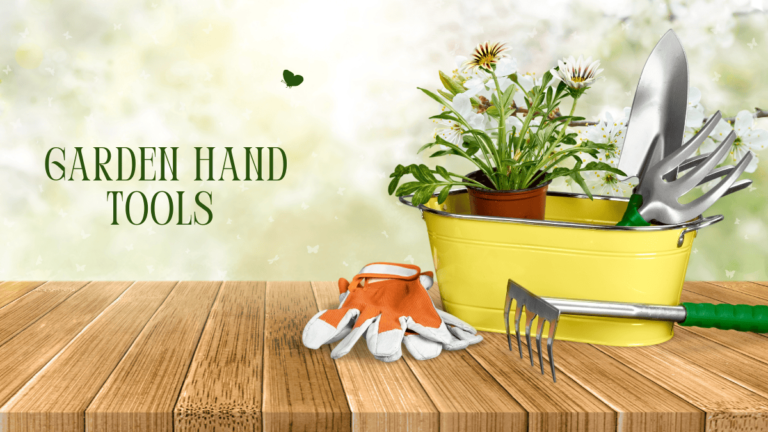
  • 13 Essential garden hand tools Every Urban Gardener Should Own

    13 Essential garden hand tools Every Urban Gardener Should Own

    The Foundation of Gardening: Choosing Quality Hand Tools

    Gardening thrives on preparation, passion, and the right tools. For both seasoned enthusiasts and newcomers, investing in durable garden hand tools ensures efficiency and longevity. While the allure of endless gadgets is tempting, focusing on hand garden tools that balance quality and practicality prevents clutter and maximizes your investment. Over my years of cultivating gardens, I’ve learned that well-maintained tools not only save time but also elevate the joy of nurturing plants. Let’s explore the essentials every gardener needs.

    1. Gardening Gloves

    gardening gloves

    Gardening gloves protect hands from thorns, splinters, and soil while offering grip and comfort. Look for breathable, water-resistant fabrics and snug fits to prevent blisters. Long cuffs shield wrists, and proper storage extends their lifespan.

    ProsCons
    Shields hands from injuriesPoor fit can cause slippage
    Breathable fabrics reduce sweatBulky designs limit dexterity
    Extended cuffs prevent soil entryRequires regular replacement

    Check Price on Amazon: Foxgloves Gardening Gloves

    2. Pruning Shears (Secateurs)

    Shears

    Pruning shears trim overgrown plants and dead branches. Bypass types suit live stems, while anvil styles handle dry wood. Ratcheting models reduce hand strain for thicker cuts.

    ProsCons
    Precise cuts for plant healthBlunt blades damage stems
    Ergonomic grips reduce fatigueHigher-end models are costly
    Ratcheting aids weak handsRequires frequent sharpening

    Check Price on Amazon: Ratcheting Pruners

    3. Loppers

    Loppers

    Loppers tackle thick branches with long handles for leverage. Bypass blades offer precision, while lightweight materials like aluminum ease handling.

    ProsCons
    Cuts branches up to 2 inches thickHeavy models strain shoulders
    Extended reach for high branchesBlunt blades crush plant tissue
    Gear mechanisms boost powerStorage can be awkward

    Check Price on Amazon: Woodland Tools Compact Duralight™ Lopper

    4. Garden Fork

    Garden Fork

    Ideal for aerating soil or turning compost, garden forks penetrate dense earth better than spades. Stainless steel tines resist rust and bending.

    ProsCons
    Efficient for compacted soilCurved tines limit digging depth
    Durable constructionHeavy for prolonged use
    Multi-purpose (soil, mulch, compost)Requires upper-body strength

    Check Price on Amazon: Radius Garden Pro Digging Fork

    5. Hand Trowel

    Hand Trowel

    A hand trowel is essential for planting, transplanting, and weeding. Stainless steel blades last longer, while ergonomic handles reduce wrist strain.

    ProsCons
    Perfect for small-space gardeningThin blades bend in rocky soil
    Lightweight and portableCheap models rust quickly
    Sharp edges slice through rootsLimited for large-scale tasks

    Check Price on Amazon: Garrett Wade Tulip Trowel

    6. Spade

    Spade

    A spade’s square blade digs holes, edges beds, and moves soil. Stainless steel heads resist rust, and treaded steps ease foot pressure.

    ProsCons
    Heavy-duty for tough jobsLong handles add weight
    Sharp edges slice through rootsExpensive for quality models
    Durable for lifelong useRequires storage space

    Check Price on Amazon: King of Spades Model 38 Balling Spade

    7. Garden Auger

    Garden Auger

    Attach this drill-bit tool to power drills for quick hole-digging. Ideal for bulbs, seedlings, or mixing soil.

    ProsCons
    Saves time on manual diggingUseless in rocky terrain
    Reduces physical strainRequires a power drill
    Adjustable depths for versatilityLimited to soft soil

    Check Price on Amazon: Twist ‘n Plant Gardening Auger

    8. Rake

    Rake

    Rakes clear leaves, debris, and level soil. Adjustable heads adapt to narrow or wide areas, while steel tines handle heavy debris.

    ProsCons
    Versatile for cleanup and soil prepPlastic tines snap easily
    Collapsible designs save spaceRough on delicate grass
    Lightweight options availableStorage hooks often needed

    Check Price on Amazon: Tabor Tools Adjustable Metal Rake

    9. Hoe

    Hoe

    Hoes break soil, remove weeds, and create furrows. Stirrup hoes slice weeds at the root, while flat hoes turn soil in rows.

    ProsCons
    Reduces back strain with long handlesDull blades require sharpening
    Efficient for large garden bedsHeavy models fatigue arms
    Sharp edges for clean cutsLimited use in tight spaces

    Check Price on Amazon: Rogue Garden Hoe 575G

    10. Garden Hose with Adjustable Nozzle

    Garden Hose with Adjustable Nozzle

    A durable hose with a nozzle offers customizable spray patterns. Rubber hoses resist kinks, while 5/8-inch diameters balance pressure and flow.

    ProsCons
    Reaches distant garden areasHeavy rubber hoses are bulky
    Adjustable settings conserve waterSun exposure degrades vinyl
    Kink-resistant designs last longerNozzles clog with hard water

    Check Price on Amazon: Tuff-Guard Hose & Bon Aire Nozzle

    11. Watering Wand

    Watering Wand

    This long-spout tool gently waters hanging baskets and delicate plants. Angled heads reach under foliage without bending.

    ProsCons
    Gentle shower prevents soil erosionLonger wands are heavier
    Ergonomic thumb-controlled flowPlastic parts crack over time
    Ideal for tall or hanging plantsLimited pressure for thick mulch

    Check Price on Amazon: Dramm One-Touch Rain Wand

    12. Watering Can

    Watering Can

    Choose lightweight plastic for portability or galvanized metal for durability. Dual handles improve stability for all gardeners.

    ProsCons
    Precise pouring for seedlingsSmall capacity needs refills
    Rust-proof options availableMetal cans get hot in sun
    Ergonomic for all skill levelsNozzles clog with debris

    Check Price on Amazon: Bloem Deluxe Watering Can

    13. Wheelbarrow

    Wheelbarrow

    A wheelbarrow hauls soil, mulch, or tools. Two-wheel models offer stability, while lightweight designs ease maneuvering.

    ProsCons
    Transports heavy loads effortlesslyBulky storage requirements
    Durable frames last decadesFlat tires disrupt tasks
    Single-handle designs improve controlUneven loads tip easily

    Check Price on Amazon: Garden Star Garden Barrow