Tag: Garden Design

  • 20 Evergreen Shrubs To Grow for Year-Round Interest

    20 Evergreen Shrubs To Grow for Year-Round Interest

    Introduction: The Importance of Evergreen Shrubs in Urban Gardens

    Urban gardens are becoming more popular as people look for ways to connect with nature in bustling city environments. Whether you have a small balcony, a rooftop garden, or a larger urban space, evergreen shrubs play a crucial role in enhancing the aesthetic appeal and functionality of your garden. Evergreen plants are invaluable because they retain their foliage throughout the year, offering structure, texture, and color even during the colder months when most plants are dormant.

    In urban gardens, where space can be limited, selecting the right evergreen shrubs can transform your garden into a vibrant and sustainable outdoor haven. These shrubs provide year-round visual interest, create privacy, and can even act as sound barriers or windbreaks. This article will delve into the various evergreen shrubs that are perfect for urban gardens, including their features, benefits, and considerations for proper care.

    Why Choose Evergreen Shrubs for Urban Gardens?

    Evergreen shrubs are an essential element of urban garden design, offering many benefits beyond just their aesthetic appeal. These plants are especially useful in urban environments where gardeners often seek ways to create low-maintenance, durable, and visually interesting landscapes.

    Year-Round Greenery

    One of the most significant advantages of evergreen shrubs is their ability to retain their foliage all year long. While other plants may lose their leaves in the winter, evergreen shrubs provide consistent greenery, maintaining the visual appeal of your garden even during the colder months. This is particularly valuable in urban spaces where green areas may be sparse.

    Privacy and Screening

    Urban gardens often face challenges when it comes to privacy. With buildings, streets, and neighbors in close proximity, evergreen shrubs can help create a sense of seclusion. Tall, bushy evergreens such as arborvitae or holly can act as natural screens, blocking out unwanted views and providing a peaceful retreat.

    Low Maintenance

    Most evergreen shrubs are hardy and require minimal upkeep once established. They are typically well-suited to urban conditions, where water and soil quality may not always be ideal. Additionally, many evergreen varieties are resistant to pests and diseases, making them a practical choice for busy gardeners.

    Best Evergreen Shrubs for Urban Gardens

    There is a wide range of evergreen shrubs that can thrive in urban gardens. These shrubs vary in size, shape, and color, allowing you to find the perfect plant for your garden’s needs. Below are some of the top recommendations, each offering distinct qualities that cater to different urban garden requirements.

    1. SprinterBoxwood (Buxus microphylla)

    Buxus microphylla

    Boxwood is a popular evergreen shrub that adds a formal touch to urban landscapes. The Sprinter Boxwood variety is known for its fast growth and glossy, year-round foliage. This shrub has a compact rounded habit, making it an excellent choice for low hedges, edging along pathways, or as a container plant. Hardy in zones 5-9, the Sprinter Boxwood can thrive in both full sun and partial shade. It grows to a height of 2-4 feet, making it ideal for small spaces in urban gardens.

    2. Gold Splash Wintercreeper (Euonymus fortunei)

    Gold Splash

    The Gold Splash Wintercreeper is a broadleaf evergreen with a shrubby, vining habit that adds dynamic visual interest to urban gardens. Its leaves are green with bright golden edges, creating a vibrant contrast that stands out throughout the year. This shrub is particularly useful as a ground cover or for mass plantings in urban gardens. It is also versatile, capable of being sheared to size or grown in containers. Hardy in zones 5-8, it thrives in full sun to partial sun and grows to a height of 18-24 inches.

    3. Castle Keep Blue Holly (Ilex x meserveae)

    Castle Keep

    Castle Keep Blue Holly is a stunning broadleaf evergreen shrub that offers fine texture with its small, leathery, glossy green leaves. This holly variety retains its rounded shape with little to no pruning required, making it an excellent choice for low-maintenance urban gardens. Its upright, dense growth habit makes it ideal for hedging, foundation plantings, or as a stand-alone specimen in mixed borders. Hardy in zones 5-7, it grows to 3-5 feet tall and 3-4 feet wide.

    4. Gem Box Inkberry Holly (Ilex glabra)

    Gem Box

    For those looking for a shrub that thrives in shady conditions, the Gem Box Inkberry Holly is a fantastic choice. This broadleaf evergreen has a dense, rounded habit, and its small, dark green leaves give it a refined, polished appearance. It is particularly suitable for use as low hedging, along borders, or in containers. This variety is hardy in zones 5-9 and grows to a height of 2-3 feet with a width of 2-3 feet. It is also deer-resistant, making it an excellent addition to any garden.

    5. Sky Box Japanese Holly (Ilex crenata)

    Sky Box

    Sky Box Japanese Holly is a narrow, columnar evergreen shrub that adds vertical interest to urban gardens. Its glossy dark green foliage provides a soft texture that contrasts beautifully with other plants. This shrub is perfect for screening, dividing garden spaces, or as a focal point in mixed borders. Hardy in zones 6-8, it grows to a height of 4-5 feet and a width of 2-3 feet, making it ideal for narrow spaces in urban environments.

    6. North Pole Arborvitae (Thuja occidentalis)

    North Pole

    The North Pole Arborvitae is a conical evergreen shrub that makes a striking focal point in urban gardens. With its upright, narrow habit, it is an excellent choice for narrow spaces or as a privacy screen along fences and property lines. Its dense foliage also offers year-round interest and is exceptionally hardy in colder climates. This arborvitae grows to 10-15 feet tall and 3-5 feet wide, making it an ideal choice for urban gardens where space is limited but privacy is needed. Hardy in zones 3-8, it thrives in full sun to partial sun.

    7. Tator Tot Arborvitae (Thuja occidentalis)

    Tator TotFor smaller urban gardens, the Tator Tot Arborvitae is one of the best dwarf evergreen shrubs. Its rounded, compact form makes it perfect for small spaces, containers, or as a decorative accent in borders. This shrub grows only 1-2 feet tall and wide, and its fine-textured foliage provides an elegant backdrop to other plants in the garden. Hardy in zones 3-8, Tator Tot Arborvitae thrives in full sun to partial sun, making it a versatile choice for urban gardens of all sizes.

    8. Perfecto Mundo Red Reblooming Azalea (Rhododendron x)

    Perfecto MundoAzaleas are renowned for their colorful flowers, and the Perfecto Mundo Red Reblooming Azalea takes it a step further by offering vibrant, lipstick-red blooms twice a year. This broadleaf evergreen shrub is a popular choice for urban gardens because of its beautiful flowers and compact size, growing to a height of 30 inches and a width of 3-4 feet. Hardy in zones 6-9, it thrives in full sun to partial sun and provides continuous color throughout the growing season. It’s a fantastic addition to foundation plantings, borders, or containers.

    9. Dandy Man Purple Rhododendron (Rhododendron x)

     Dandy ManThe Dandy Man Purple Rhododendron offers deep purple, bell-shaped flowers in spring, adding a touch of elegance to any garden. This variety is more cold-hardy than most rhododendrons, thriving in zones 4-8. It can grow up to 4-8 feet tall and wide, making it suitable for larger urban gardens or as a focal point. The Dandy Man Purple rhododendron is ideal for foundation plantings or mixed borders, where its colorful blooms can be appreciated for months.

    10. Stonehenge Yew (Taxus x media)

    stonehengeThe Stonehenge Yew is a versatile conifer that can be used as a tree or shrub, depending on the desired effect. It has a narrow columnar shape, making it perfect for tight spaces, screens, or as a vertical element in mixed borders. The yew is also one of the best evergreen shrubs for shade, thriving in both full sun and full shade. Hardy in zones 4-7, it grows up to 8-10 feet tall and 2-4 feet wide, making it ideal for urban gardens with limited space.

    11. Gin Fizz Juniper (Juniperus chinensis)

    Gin FizzThe Gin Fizz Juniper is a tall, conical evergreen shrub that produces attractive blue-green berries against aromatic, soft green foliage. This variety is perfect for screening, mass plantings, or as a standalone feature in your garden. The Gin Fizzjuniper is hardy in zones 4-8, growing up to 10-18 feet tall and 7-10 feet wide. It thrives in full sun and is resistant to deer, making it a low-maintenance choice for urban gardens.

    12. Tortuga Juniper (Juniperus communis)

    TortugaThe Tortuga Juniper is a tough evergreen shrub that can withstand extreme weather conditions, including drought, sun, and cold. This hardy shrub grows as a low-mounded groundcover with emerald-green foliage, making it an excellent choice for edging or as a ground cover in urban gardens. Hardy in zones 2-7, Tortuga Juniper grows up to 2 feet tall and 3-4 feet wide, making it ideal for small gardens or containers.

    13. Steady as She Goes Gardenia (Gardenia jasminoides)

    SteadyKnown for its intensely fragrant, snow-white blooms, the Steady as She Goes Gardenia is an evergreen shrub that brings both beauty and fragrance to your urban garden. This variety is more heat and cold-tolerant than traditional gardenias, making it suitable for a wider range of climates. Hardy in zones 7-10, it grows 3-5 feet tall and 4-7 feet wide. The glossy, evergreen foliage provides year-round interest, while the blooms add a burst of fragrance in the spring and summer.

    14. Soft Serve False Cypress (Chamaecyparis pisifera)

    Soft ServeThe Soft Serve False Cypress is a dwarf evergreen shrub that offers soft, cedar-like foliage in a conical shape. Its gently weeping habit creates a striking visual effect in the garden, making it ideal for hedging, screening, or as a specimen plant. Hardy in zones 4-8, it grows to 6-10 feet tall and 5-6 feet wide. This shrub is deer resistant, making it an excellent choice for urban gardens where deer are a concern.

    15. Interstella Lily of the Valley Shrub (Pieris japonica)

    InterstellaThe Interstella Lily of the Valley Shrub is a broadleaf evergreen that produces clusters of deep ruby-red, bell-shaped flowers in early spring. It is one of the best small evergreen shrubs, growing 3-4 feet tall and wide, making it ideal for smaller urban gardens or as a focal point in a mixed border. Hardy in zones 5-8, Interstella thrives in full sun to full shade, making it versatile for different garden conditions.

    16. Waxwing Lime Mirror Bush (Coprosma repans)

    WaxwingThe Waxwing Lime Mirror Bush is a unique broadleaf evergreen shrub with glossy leaves in a striking combination of yellow, lime green, and deep purple. This plant thrives in full sun to partial sun and is perfect for use as a low-growing hedge, ground cover, or edging plant in urban gardens. Hardy in zones 9-11, it can be overwintered indoors in colder climates, making it adaptable for different growing conditions.

    17. Sweet Talker Fragrant Viburnum (Viburnum)

    Sweet TalkerThe Sweet Talker Fragrant Viburnum is a broadleaf evergreen that offers trumpet-shaped pink flowers in late winter and early spring, filling your garden with honey-scented fragrance. Hardy in zones 7-8, it grows to 8-10 feet tall and 3-5 feet wide, making it suitable for hedging, screening, or as part of a mixed border. Its textured green foliage takes on burgundy hues in winter, providing year-round interest.

    18. Sunjoy Todo Barberry (Berberis x)

    Sunjoy TodoThe Sunjoy Todo Barberry is a semi-evergreen shrub that features deep purple foliage, small yellow flowers, and bright red berries in fall. This variety is non-invasive and is ideal for low hedging, mass plantings, or as part of a mixed border. Hardy in zones 6-8, it grows to 18-24 inches tall and wide, making it perfect for smaller urban gardens.

    19. Peppy Le Pom Pomegranate (Punica granatum)

    Peppy Le PomThe Peppy Le Pom Pomegranate is a dwarf variety that features bright orange flowers resembling dangling earrings. This evergreen shrub grows 3-4 feet tall and 3 feet wide, making it an excellent choice for urban gardens or containers. Hardy in zones 7-10, it produces small ornamental fruits after flowering and is deer resistant.

    20. Juke Box Pyracomeles (x Pyracomeles sp.)

    Juke BoxThe Juke Box Pyracomeles is a hybrid evergreen shrub with shiny green leaves and finely textured growth. Similar to boxwood, it is a low-maintenance option for ground cover, hedging, or edging borders and pathways. Hardy in zones 7-9, it grows 12-36 inches tall and wide, providing a lush, dense backdrop to other plants in the landscape.

    Care Tips for Evergreen Shrubs in Urban Gardens

    Caring for evergreen shrubs in urban gardens is relatively simple, but there are a few essential guidelines to ensure that they thrive. Urban environments can present unique challenges, such as pollution, compacted soil, and limited sunlight. By following these tips, you can help your evergreen shrubs flourish year-round.

    Soil and Fertilization

    Evergreen shrubs generally prefer well-drained soil. In urban settings, where soil quality may be compromised, it is essential to improve soil conditions before planting. Adding organic matter such as compost can help enrich the soil and promote healthy root development. For fertilization, use a balanced fertilizer in the early spring to encourage robust growth throughout the growing season.

    Watering

    Although evergreen shrubs are typically drought-resistant once established, they still require regular watering, especially during the initial planting phase. Ensure the soil remains moist but not waterlogged, as excess moisture can lead to root rot. It’s best to water deeply and infrequently to encourage deep root growth.

    Pruning

    While many evergreen shrubs require minimal pruning, occasional trimming may be necessary to maintain their shape and health. Prune dead or damaged branches and lightly trim the shrub to shape it if needed. Always prune during the dormant season to prevent stressing the plant.

    Protection from Extreme Conditions

    Urban gardens often experience extreme weather conditions, such as heat islands or cold winds. In regions with harsh winters, protect your evergreen shrubs by mulching around their base to insulate the roots. In areas with intense heat, provide shade during the hottest part of the day to prevent sunburn on the leaves.

    Pros and Cons of Evergreen Shrubs for Urban Gardens

    Certainly! Below is a table format with the Pros and Cons of each evergreen shrub from serial 1 to 23:

    ShrubProsCons
    Sprinter Boxwood (Buxus microphylla)Fast-growing, deer resistant, suitable for low hedging, glossy year-round foliageMay require regular pruning to maintain shape, sensitive to overwatering in clay soils
    Gold Splash Wintercreeper (Euonymus fortunei)Compact, vibrant golden foliage, easy to maintain, can be grown in containersCan become invasive if not controlled, needs regular trimming
    Castle Keep Blue Holly (Ilex x meserveae)Low maintenance, attractive year-round, deer resistant, rounded shape with little pruning requiredDoes not tolerate heavy shade well, may need supplemental watering in dry conditions
    Gem Box Inkberry Holly (Ilex glabra)Thrives in shade, dense growth, deer resistant, ideal for small spaces and low hedgingSlow-growing, may need extra watering in dry periods
    Sky Box Japanese Holly (Ilex crenata)Ideal for narrow spaces, minimal pruning required, attractive glossy foliageNot very drought-tolerant, sensitive to harsh winds in exposed areas
    North Pole Arborvitae (Thuja occidentalis)Narrow, upright form, great for privacy screening, hardy in cold climatesNeeds regular watering in dry conditions, can be prone to wind damage in exposed areas
    Tator Tot Arborvitae (Thuja occidentalis)Compact, low maintenance, deer resistant, perfect for small gardensLimited height, may not provide much screening, requires well-drained soil
    Perfecto Mundo Red Reblooming Azalea (Rhododendron x)Reblooming flowers for extended color, compact size, vibrant lipstick-red bloomsMay need extra watering in dry periods, sensitive to harsh winter winds
    Dandy Man Purple Rhododendron (Rhododendron x)Cold-hardy, colorful flowers, low maintenance, attractive all year roundNeeds regular watering, prone to root rot if overwatered
    Stonehenge Yew (Taxus x media)Tolerates full sun to shade, versatile in landscape design, low maintenanceToxic to pets, requires regular trimming to maintain shape
    Gin Fizz Juniper (Juniperus chinensis)Aromatic foliage, deer resistant, low maintenance, tall, conical shape for vertical interestNeeds well-drained soil, requires occasional pruning to control size
    Tortuga Juniper (Juniperus communis)Extremely hardy, drought-tolerant, deer and rabbit resistant, great for ground coverNeeds well-drained soil, may not tolerate foot traffic well
    Steady as She Goes Gardenia (Gardenia jasminoides)Fragrant white blooms, heat and cold-tolerant, glossy foliageRequires acidic, well-drained soil, needs protection from harsh winds
    Soft Serve False Cypress (Chamaecyparis pisifera)Soft, visually appealing form, deer resistant, suitable for screening and hedgingRequires regular trimming, sensitive to prolonged drought
    Interstella Lily of the Valley Shrub (Pieris japonica)Beautiful ruby-red flowers, compact size, deer resistantNeeds extra watering in dry conditions, needs protection from extreme cold
    Waxwing™ Lime Mirror Bush (Coprosma repans)Unique and vibrant foliage, great for low hedging and ground cover, can be overwintered indoorsNot suitable for regions with harsh winters, requires regular pruning
    La Vida Grande™ Indian Hawthorn (Rhapiolepsis indica)Showy spring blooms, glossy foliage, compact size, ideal for smaller urban gardensRequires regular watering, sensitive to frost in colder climates
    Sweet Talker Fragrant Viburnum (Viburnum)Fragrant early spring flowers, attractive foliage with seasonal color changes, deer and rabbit resistantRequires protection from harsh winds, needs consistent moisture
    Funshine Abelia (Abelia grandiflora)Colorful foliage throughout the year, fragrant flowers, deer resistantNeeds well-drained soil, may require regular pruning
    Sunjoy Todo Barberry (Berberis x)Non-invasive, colorful foliage and berries, deer resistantCan be thorny, needs protection from strong winds
    Austin Pretty Limits Oleander (Nerium oleander)Nonstop bright pink blooms, disease-resistant, deer and rabbit resistantToxic if ingested, requires protection in colder climates
    Peppy Le Pom™ Pomegranate (Punica granatum)Bright, attractive flowers, compact size, deer resistantRequires full sun, may not tolerate freezing temperatures in colder climates
    Juke Box Pyracomeles (x Pyracomeles sp.)Low-maintenance, disease-resistant, suitable for ground cover or hedgingNeeds regular trimming to maintain shape, not ideal for very wet soil

    Conclusion: Elevate Your Urban Garden with Evergreen Shrubs

    Evergreen shrubs are a game-changer for urban gardens, offering consistent beauty, privacy, and functionality throughout the year. Whether you’re aiming to create a serene retreat, a vibrant display of greenery, or a low-maintenance outdoor space, evergreen shrubs can meet all of these needs. From the compact SprinterBoxwood to the tall and stately North Pole Arborvitae, the variety of evergreen shrubs available today makes it easy to find the perfect plant for your garden.

    Incorporating evergreen shrubs into your urban garden not only enhances the overall aesthetic but also ensures that your outdoor space remains functional and attractive, even during the colder months. With proper care and thoughtful selection, these resilient plants can thrive in urban environments and provide lasting beauty for years to come.

    FAQ

    What are the most popular evergreen shrubs?
    Some of the most popular evergreen shrubs include arborvitae, boxwood, false cypress, holly, juniper, wintercreeper, azalea, and rhododendron.

    What kind of bushes stay green all year?
    Evergreen shrubs, including conifers (with needles) and broadleaf evergreens (with foliage), stay green all year round.

    What shrubs stay green in winter?
    Conifers and certain broadleaf evergreen shrubs like azalea and rhododendron remain green in winter.

    Which flowering shrubs are evergreen?
    Some evergreen flowering shrubs include camellia, daphne, lily of the valley shrub, mahonia, azalea, and rhododendron.

    What evergreen shrubs stay small?
    Dwarf evergreen shrubs, such as Tater Tot Arborvitae and Tortuga Juniper, are perfect for small urban gardens.

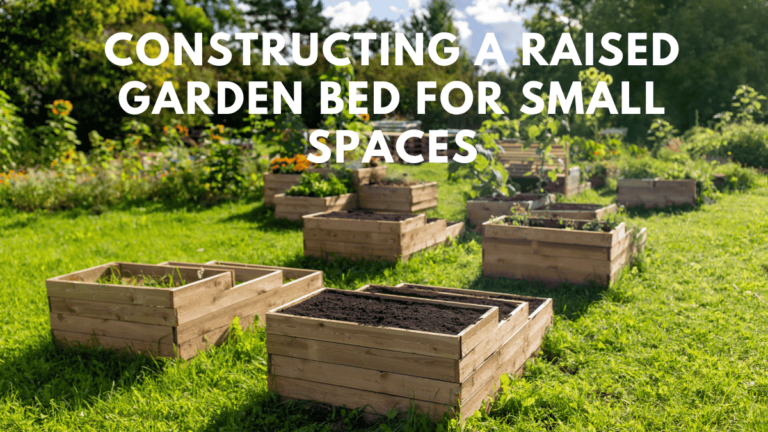
  • How to Constructing a Raised Garden Bed for Small Spaces

    How to Constructing a Raised Garden Bed for Small Spaces

    Introduction

    When it comes to enhancing your garden and growing your own food, building a raised garden bed is one of the most effective solutions. A raised garden bed allows you to grow a variety of plants in controlled conditions, even if you don’t have the ideal soil in your backyard. If you’ve ever wondered how to make a raised garden bed, this guide is for you.

    In this comprehensive article, we will explore everything you need to know about raised garden beds—why they are beneficial, how to build them, and what materials work best. Whether you’re a beginner or an experienced gardener, you will find valuable insights, tips, and step-by-step instructions that will guide you through creating the perfect DIY raised garden bed. We’ll also touch on the importance of using recycled materials, ensuring your project is not only efficient but also eco-friendly.

    Why Build a Raised Garden Bed?

    Raised garden beds, also known as planter boxes, are more than just a functional gardening solution—they are a beautiful addition to any garden space. When designed correctly, they offer various advantages over traditional gardening, particularly in urban settings or areas with poor soil conditions. Raised beds provide better drainage, easier access to your plants, and less stress on your back. Moreover, you have more control over the soil quality, which is crucial for ensuring healthy plant growth.

    One of the key benefits of using raised garden beds is the ability to create the perfect soil conditions. Instead of working with heavy, clay-like, or rocky soil, you can fill your raised bed with nutrient-rich compost, loamy soil, or a custom blend that is tailored to the plants you want to grow. Additionally, raised beds can help reduce weed growth and protect plants from pests, especially when combined with barriers like hardware cloth and landscape fabric.

    For those new to gardening, the ergonomics of raised beds make gardening more accessible and less physically demanding. Raised beds eliminate the need to bend down to ground level, making planting, weeding, and harvesting much more comfortable.

    The Cost of Building Raised Garden Beds

    The cost of building a raised garden bed can vary depending on the size of the bed, the materials you choose, and the tools required. On average, constructing a raised garden bed can cost anywhere between $100 to $300. This includes the cost of lumber, screws, soil, and optional features such as hardware cloth for pest prevention.

    The price fluctuates based on the materials you choose. For example, if you opt for high-quality, durable wood like cedar or redwood, the cost may be on the higher end. On the other hand, if you choose more affordable options like pine or fir, the cost will be significantly lower. Additionally, local soil delivery can also impact the cost, especially if you choose to fill multiple beds at once.

    Selecting the Right Location for Your Raised Garden Bed

    Choosing the right location for your raised garden bed is crucial to the success of your garden. Most vegetables thrive in full sun, so it’s essential to choose a spot that receives at least 6 to 8 hours of direct sunlight per day. Avoid placing your raised bed in areas shaded by trees, fences, or structures unless they face south and won’t block the sunlight.

    If you’re uncertain about the sunlight patterns, it can be helpful to observe the space for a full year. You can also use sun-tracking apps to plan the ideal placement for your garden. Keep in mind that the sun’s path changes with the seasons, so positioning your raised bed carefully is crucial for year-round gardening success.

    Planning Your Raised Garden Bed Layout

    The layout of your raised garden bed plays an important role in optimizing space and ensuring that your plants receive adequate sunlight. In the northern hemisphere, it’s ideal to orient the garden beds in a south-facing direction. This ensures maximum sunlight exposure throughout the year. In the southern hemisphere, the orientation should be reversed, with garden beds facing north.

    For best results, space your raised garden beds at least 28 to 36 inches apart. This spacing allows you to maneuver easily between beds with a wheelbarrow or garden cart, while also preventing overcrowding and shading between plants. If you’re working with limited space, it may be helpful to lay out the dimensions of your planned garden on the ground using ropes or sticks to get a better sense of how much room you need.

    Choosing the Best Wood for Your Raised Garden Bed

    When it comes to constructing a raised garden bed, choosing the right wood is vital for the durability and longevity of your bed. The most common wood options for raised garden beds are cedar and redwood. These woods are naturally resistant to rot and pests, making them excellent choices for building long-lasting beds. Redwood, in particular, is well-suited for areas with a risk of termite infestations.

    If you’re looking for a more budget-friendly option, softer woods like pine and Douglas fir can be used. However, these woods tend to have a shorter lifespan, typically lasting between 3 to 7 years, depending on the climate. It’s important to note that treated lumber, stained wood, or wood from railroad ties should be avoided due to potential toxicity to plants.

    For the best results, opt for wood that is certified by the Forest Stewardship Council (FSC), ensuring that it comes from sustainably managed forests.

    Determining the Size of Your Raised Garden Bed

    One of the main advantages of building your own raised garden bed is the flexibility in design. You can make the beds any size or shape to suit your available space. However, there are some key guidelines to keep in mind for optimal function.

    Width: It’s recommended that raised garden beds be no wider than 4 feet. This allows you to easily reach into the bed from both sides for planting, weeding, and harvesting. If the bed is against a wall or fence, it’s best to limit the width to 3 feet for easy access from the open sides.

    Length: Raised garden beds should generally not exceed 8 feet in length. Longer beds become heavier and more difficult to manage. If you need a larger bed, consider joining multiple smaller beds together to create the appearance of a single continuous bed.

    Depth: The depth of the raised bed should ideally be between 16 to 18 inches. This depth allows for sufficient root growth and water retention. For plants that require deeper soil, consider making the bed even taller.

    Step-by-Step Guide to Building Your Raised Garden Bed

    Now that you’ve selected the location and materials, it’s time to build your raised garden bed. Here’s a step-by-step guide to constructing your bed:

    Step 1: Choose Your Design and Materials
    First, decide on the size of your bed and the type of wood you’ll use. You may want to sketch a design to make sure you have accurate measurements.

    Step 2: Measure, Mark, and Cut the Lumber
    Once you have your materials, measure and cut the lumber to the desired lengths. Make sure to account for the overlap when joining the sides together.

    Step 3: Assemble the Frame
    Start by assembling the shorter sides of the bed and attach them to the corner posts. Use decking screws to ensure the structure is stable.

    Step 4: Add the Long Sides
    Once the short sides are in place, attach the long boards to complete the frame. Ensure everything is square and aligned before securing the boards with screws.

    Step 5: Install Support and Pest Barriers
    If necessary, add additional support beams for longer beds. For added protection, you can line the bottom of the bed with hardware cloth to prevent pests from burrowing.

    Step 6: Fill the Bed with Soil
    Fill the raised bed with a mixture of compost, soil, and other organic materials. Be sure to create a well-draining environment for your plants.

    Pros and Cons of Raised Garden Beds

    ProsCons
    Easier on your back due to elevated heightHigher upfront costs for materials and soil
    Better control over soil qualityMay require more maintenance than in-ground gardening
    Ideal for areas with poor or compacted soilTakes up space in your yard or garden
    Protects plants from pests and weedsPotentially more expensive if not using recycled materials
    Allows for customized plant spacingNeeds proper planning and space management

    Conclusion

    Building a raised garden bed is a fantastic way to start growing your own food, especially if you have limited space or poor soil conditions. By following this guide, you can create a durable and functional garden bed that not only enhances your gardening experience but also improves your yard’s aesthetic appeal.

    Using recycled materials can make the project even more rewarding, ensuring that your raised garden bed is not only sustainable but also eco-friendly. Whether you’re a seasoned gardener or a beginner, raised garden beds offer numerous benefits that can help you cultivate a thriving garden in any space.

    Frequently Asked Questions (FAQs)

    Q1: What is the best wood for a raised garden bed?
    The best wood for raised garden beds includes redwood, cedar, and pine. Redwood and cedar are the most durable, while pine is a budget-friendly option.

    Q2: Can I build a raised garden bed on grass?
    Yes, you can build a raised garden bed on grass. However, it’s recommended to remove the grass or lay down landscape fabric to prevent weeds from growing.

    Q3: How deep should my raised garden bed be?
    For optimal plant growth, your raised garden bed should be at least 16 to 18 inches deep. This allows for proper root growth and moisture retention.

    Q4: How much soil do I need to fill my raised garden bed?
    The amount of soil needed will depend on the size of your bed. A 4×8 foot bed will require approximately 2 cubic yards of soil to fill it to a depth of 16 inches.

    I hope you found this helpful and informative. If so, please leave a review below! Feel free to ask questions in the comments as well.

  • How to Start an Urban Garden in Small Spaces?

    How to Start an Urban Garden in Small Spaces?

    Urban gardening has rapidly gained popularity in recent years as city dwellers are looking for ways to reconnect with nature, grow their food, and make the most of limited spaces. But what exactly is urban gardening? In short, it’s the practice of growing plants in an urban setting, whether on a rooftop, balcony or even in a small yard. But urban gardening isn’t just about plants. It’s about community, sustainability, and personal well-being. This comprehensive guide will walk you through the essentials of urban gardening and how to create your urban garden, no matter how much space you have.

    What is Urban Gardening?

    Urban gardening refers to cultivating plants in an urban environment, such as growing flowers, vegetables, or herbs in city spaces. With the growth of city populations and an increasing interest in sustainability, urban gardening has become a widespread practice. It helps individuals reconnect with nature, provides fresh produce, and offers benefits such as stress reduction and fostering a sense of community.

    Urban gardens can take many forms, including:

    • Container Gardens: Using pots, barrels, or any available containers to grow plants on balconies, windowsills, or even indoor spaces.
    • Community Gardens: Shared gardening spaces where neighbours or communities come together to grow food and connect.
    • Vertical Gardens: Utilizing vertical space on walls or trellises to maximize limited areas for plant growth.
    • Rooftop Gardens: A modern urban gardening trend where unused rooftop spaces are transformed into gardens.

    Urban gardening enhances the aesthetic appeal of urban spaces and reduces environmental impacts by lowering the carbon footprint. It helps combat food insecurity, especially in densely populated areas and promotes healthier living. Additionally, it allows individuals to grow their food, reducing dependency on store-bought produce.

    What is Urban Farming?

    While urban gardening and urban farming share similarities, they differ in scale. Urban farming involves growing food on a larger scale, often for commercial purposes and may include raising animals or growing crops such as fruits, vegetables, and herbs. Urban farming addresses the growing demand for locally sourced food in urban areas, aiming to reduce the reliance on long-distance transportation and increase food accessibility in cities.

    Cities like Tokyo, Hong Kong, Singapore, and major urban centres in the U.S., like Los Angeles and New York, have embraced urban farming in creative ways. From using rooftops to vacant lots, these cities are finding innovative ways to turn unused spaces into sources of fresh, local food.

    Why Urban Gardening Matters?

    Urban gardening is more than just growing plants; it is about creating a healthier and more sustainable urban environment. It can reduce environmental pollution, contribute to better air quality, and provide communities with fresh food. Moreover, it fosters well-being, as gardening has been shown to lower stress, improve mental health, and create strong community bonds.

    Benefits of Urban Gardening:

    • Improves Well-being: Spending time gardening has been shown to reduce stress levels and improve mental health.
    • Saves Money: Growing your food can cut down on grocery bills, especially for fresh produce.
    • Environmental Impact: Reduces food miles and the carbon footprint associated with transporting food long distances.
    • Enhances Community: Urban gardens help neighbours collaborate, share knowledge, and improve social connections.

    How to Get Started with Urban Gardening

    Starting an urban garden may seem intimidating, but it is easy to begin, even in small spaces. Whether you have a balcony, a small backyard, or a windowsill, urban gardening offers an opportunity to create a green space in your life. Here’s a step-by-step guide to help you get started.

    Step 1: Choose Your Space

    The first step in creating an urban garden is finding the right space. You don’t need a lot of room to get started; even a tiny balcony, windowsill, or shared community garden can be a perfect spot. Here are some space options:

    • Balcony or Patio: If you live in an apartment or condo, your balcony or patio can be a great place to start.
    • Rooftops: If you have access to a rooftop, it can be a prime space for a garden.
    • Shared Spaces: You can collaborate with neighbours to transform unused areas into a community garden.
    • Window Boxes: If you don’t have much outdoor space, window boxes are perfect for growing small plants or herbs.

    Be sure to measure your available space, as this will help you decide how much you can grow. If you’re in a shared space, it’s essential to ask for permission from building owners or local authorities before starting your garden.

    Step 2: Choose Your Containers

    Once you’ve chosen your space, it’s time to pick containers for your plants. While decorative pots are an option, they can often be expensive and not as practical. Here are some affordable alternatives:

    • Buckets and Plastic Containers: These can be bought cheaply at garden stores or repurposed from home.
    • Raised Beds: These can be purchased or made from wooden planks. Raised beds are ideal for growing plants in small spaces.
    • Upcycled Containers: Use old crates, wooden boxes, or even discarded toys to create creative containers for your garden.

    Tip: To maximize space, consider using vertical planters such as stackable planters, hanging baskets, or railing planters.

    Step 3: Choose Your Plants

    When selecting plants for your urban garden, think about the available sunlight, the type of plants, and the space constraints. Urban gardens often have limited space, so opt for plants that thrive in confined areas. Some great options include:

    • Vegetables: Leafy greens like lettuce, spinach, and kale thrive in smaller spaces. Tomatoes, peppers, and beans also do well in containers.
    • Herbs: Basil, mint, thyme, and parsley are perfect for container gardening and grow well in small spaces.
    • Flowers: Marigolds, petunias, and sunflowers are colourful additions to any garden and are easy to maintain.

    Ensure that your plants have the proper requirements for sunlight and water. Some plants may need more sunlight, while others might thrive in shadier spots.

    Step 4: Sow Seeds or Plant Seedlings

    After choosing your plants, you can either sow seeds or use seedlings for quicker results. If you decide to start from seeds, you can begin growing them indoors in small containers or egg cartons. Once the seedlings are ready, you can transplant them into larger pots or garden beds.

    If you opt for seedlings, you can buy them from a local nursery or garden centre. When planting, ensure your containers have drainage holes to avoid waterlogging. Fill the bottom with gravel or rocks to improve drainage, then add soil and plant your seedlings.

    Step 5: Water and Care for Your Garden

    Watering your garden is crucial, as plants in containers dry out faster than those planted directly in the ground. Water your plants regularly, but avoid overwatering, as this can lead to root rot. Depending on the weather and the type of plants, you may need to water once or twice a week.

    Consider investing in automatic watering systems or using self-watering containers if you’re often busy or away from home.

    Vertical Gardening: A Space-Saving Solution

    Urban spaces are often limited, but that doesn’t mean you can’t grow plenty of plants. Vertical gardening is an excellent option for maximizing your space and increasing plant yields. You can use various methods for vertical gardening:

    • Vertical Planters: These are stackable pots that allow you to grow plants on top of each other.
    • Wall Planters: Attach planters to your walls for an eye-catching display.
    • Trellises: Use trellises for climbing plants such as beans or tomatoes.

    By going vertical, you can use your walls, fences, and even window frames to grow plants efficiently.

    Urban Gardening Pros and Cons

    Urban Gardening Pros and Cons

    ProsCons
    Reduces food costsLimited space may restrict the number of plants
    Improves mental health and well-beingNeeds regular maintenance
    Helps reduce environmental impactRequires time and commitment
    Promotes sustainability and communitySome plants require specific conditions (sunlight, water)
    Enhances urban aestheticsPests may become a problem in small spaces

    Frequently Asked Questions (FAQs)

    1. Can I start an urban garden in an apartment? Yes! You can start an urban garden in small spaces like balconies, windowsills, or even indoors using containers.

    2. What plants are best for urban gardens? Vegetables like peppers, tomatoes, and salad greens, as well as herbs like basil and thyme, are great choices for urban gardening.

    3. How much time does urban gardening require? It depends on the plants and the setup. On average, expect to spend a few hours a week tending to your garden.

    4. Can I grow flowers in an urban garden? Yes! Flowers like sunflowers, petunias, and marigolds thrive in urban gardens and add vibrant color to your space.

    5. What is the difference between urban gardening and urban farming? Urban gardening is typically done on a smaller scale, often for personal use, while urban farming involves larger-scale food production, often for community consumption or commercial purposes.

    Conclusion

    Urban gardening is an excellent way to bring nature into your life, no matter where you live. Whether you’re looking to grow your own food, create a peaceful green space, or foster a sense of community, starting an urban garden is the perfect solution. With just a little planning, creativity, and dedication, you can turn any small space into a thriving garden that provides both beauty and fresh, homegrown food. So why wait? Start your urban garden today and watch your city space bloom with life!

  • 5 Garden Design ideas to Elevate Your Outdoor Space

    5 Garden Design ideas to Elevate Your Outdoor Space

    Creating a garden design ideas that’s both functional and beautiful requires careful planning and consideration. Whether you’re looking to grow your vegetables, create a peaceful sanctuary, or enhance your landscape, understanding the core elements of garden design will help you build the garden of your dreams. In this article, we’ll explore five essential garden elements that I always incorporate into my designs and that you should consider for your garden.

    These elements will enhance your garden’s beauty, making it easier to maintain and improve your overall gardening experience. Let’s explore how each of these elements can take your garden to the next level.

    Top 5 Garden Design ideas

    1. Raised Garden Beds: Starting with the Right Foundation

    The raised garden bed is one of the most impactful elements in garden design. It serves as the foundation for many successful gardens, especially if you plan on growing vegetables, herbs, or other plants requiring specific soil conditions. Raised beds are fantastic for gardeners looking for a controlled, clean environment for their plants.

    Why Raised Garden Beds?

    • Better Soil Quality: Raised beds allow you to create the ideal soil for your plants. You can fill the beds with nutrient-rich compost or organic soil, which promotes healthy growth. Unlike traditional gardens, you won’t have to deal with poor soil quality or the constant need for soil amendments.
    • Improved Drainage: Raised beds are elevated, so water drains are more effective. This is especially important for plants like tomatoes, carrots, and lettuce, which need well-drained soil.
    • Increased Accessibility: Raised beds are perfect if you have mobility issues or just want to avoid back strain. The height of the beds minimizes bending over, making gardening more comfortable and less strenuous.
    • Pest Control: Raised beds are less prone to pests like slugs or weeds, especially when you add barriers to the base or use enclosed systems.

    Design Tips for Raised Beds:

    • Size and Shape: The width of your raised bed should allow easy access to all parts without bending or stretching too much. A width of about 2 to 3 feet is ideal for most gardeners.
    • Height: A bed 12 to 18 inches high is suitable for most plants, but for deeper-rooted plants like carrots or potatoes, choose a 2-foot-high raised bed.
    • Materials: Opt for natural, durable materials like cedar, stone, or brick. These materials blend seamlessly into most landscapes and ensure that your raised bed lasts through the seasons.

    2. Garden Trellises: Vertical Gardening for Better Space Management

    Trellises are the perfect solution for gardeners with limited space who want to grow vining plants such as tomatoes, cucumbers, or beans. They provide vertical support, allowing plants to grow upwards instead of sprawling across the ground.

    Why Use Trellises?

    • Maximizes Space: Vertical gardening allows more plants to be grown in smaller spaces. You save valuable ground space for other plants by training plants to climb trellises.
    • Healthier Plants: Trellises help improve airflow and sunlight exposure, which reduces the risk of plant diseases and helps them grow better.
    • Aesthetic Appeal: Trellises bring beauty to your garden, especially when covered with lush vines or flowers. They create a focal point and add dimension to your garden.

    Types of Trellises:

    • Panel Trellises: These flat trellises can be placed against walls, fences, or in the middle of garden beds. They are perfect for narrow spaces and allow plants to grow upward.
    • Obelisk Trellises: Shaped like pyramids or towers, obelisks add an architectural touch to your garden. They’re great for raised beds or smaller garden spaces.
    • Arch Trellises: Arch trellises create an elegant garden entrance or pathway. They allow plants like climbing roses or beans to thrive while providing a charming structure.

    Design Tips for Trellises:

    • Material: Consider using sturdy materials like powder-coated steel, which can withstand weather conditions and last many years. Wooden trellises (e.g., cedar or bamboo) are more affordable but may need to be replaced more frequently.
    • Placement: Ensure the trellis provides adequate support without blocking sunlight or airflow to other plants. If it’s a tall trellis, secure it well to prevent it from toppling in strong winds.

    3. Garden Borders: Structuring and Defining Your Garden Space

    Garden borders are crucial for visually separating your garden from the rest of your yard. They also play an important role in garden maintenance, keeping grass and weeds from creeping into your beds. Whether growing flowers, vegetables, or herbs, borders help structure your space, ensuring your garden looks neat and organized.

    Why Garden Borders Matter:

    • Create Boundaries: Borders define your garden space, separating it from the rest of your yard or landscaping.
    • Prevent Invasive Grass and Weeds: A well-installed border keeps grass and weeds from invading your garden beds, reducing maintenance efforts.
    • Add Visual Appeal: Borders give your garden a polished, professional, and well-maintained appearance.

    Types of Garden Borders:

    • Metal Edging: Provides a sleek, modern look and is durable enough to withstand weather conditions. Steel is a popular choice.
    • Stone or Brick: Adds a natural, rustic feel to your garden. Stone borders are perfect for creating a more natural aesthetic.
    • Plastic or Rubber: Budget-friendly and easy to install, though not as durable as metal or stone borders.

    Design Tips for Borders:

    • Durability: Choose materials that will withstand the elements in your region. Metal and stone offer the most longevity.
    • Installation: Dig a trench around the perimeter of your garden to secure the border in place. This will prevent it from shifting over time.

    4. Garden Pathways: Accessibility Meets Aesthetic Appeal

    Pathways are not just functional—they can also serve as an aesthetic element that enhances the beauty of your garden. They help with accessibility, allowing you to move easily between garden beds, and they protect your plants from damage.

    Why Garden Pathways?

    • Ease of Access: Pathways provide easy movement between garden areas, allowing you to tend your plants without stepping on them.
    • Enhance Aesthetics: A well-designed pathway can be a focal point in your garden. It guides the eye and creates visual interest.
    • Prevent Soil Compaction: Pathways help prevent soil compaction in areas where you frequently walk, ensuring that your garden beds remain fertile and well-drained.

    Pathway Materials:

    • Gravel: Gravel is durable, easy to install, and creates a natural look in the garden. It also helps with drainage.
    • Mulch: Mulch is affordable and provides a soft, natural look, though it degrades over time and requires replenishing.
    • Stone or Brick: These materials create a more formal, structured look and are long-lasting.

    Design Tips for Pathways:

    • Width: Pathways should be wide enough to comfortably accommodate foot traffic. A width of 2 to 3 feet is ideal.
    • Flow: Ensure the pathways lead naturally through your garden, creating smooth transitions from one area to another.

    5. Native Plant & Pollinator Garden Spaces: Eco-Friendly Design

    Native plants are essential for creating a garden that supports local wildlife, including pollinators like bees, butterflies, and birds. By incorporating a pollinator-friendly garden into your design, you’re helping to maintain biodiversity and improve the health of your entire garden ecosystem.

    Why Native Plants and Pollinator Gardens?

    • Support Local Wildlife: Native plants attract pollinators and beneficial insects, improving plant health and the overall balance of your garden.
    • Low Maintenance: Native plants are adapted to your local climate, require less water and fewer chemicals, and are more resistant to pests.
    • Eco-Friendly: Planting native species helps conserve local ecosystems and reduce the spread of invasive plants.

    Design Tips for Native Plants:

    • Research Local Plants: Learn about the native plants in your area and choose species that will thrive in your garden’s climate.
    • Pollinator Spaces: Include flowers, shrubs, and trees that provide nectar, shelter, and nesting spaces for pollinators.

    FAQs

    Q1: What are the benefits of raised garden beds? Raised garden beds provide better drainage, improve soil quality, and make gardening more accessible. They also offer easier maintenance and can help protect plants from pests.

    Q2: How do I choose the right trellis for my garden? Choose a trellis based on the types of plants you’re growing. For taller plants, go for obelisk or arch trellises. For smaller spaces, panel trellises are ideal.

    Q3: Can I create a pollinator garden if I don’t have a lot of space? Yes! Even a tiny pollinator garden with native plants and flowers can attract bees, butterflies, and birds. Focus on growing a mix of nectar-rich plants in any available space.

    Conclusion: Creating Your Dream Garden Design Ideas

    Incorporating these five key elements into your garden design ideas—raised garden beds, trellises, borders, pathways, and native plant spaces—will help you create a functional, beautiful, and eco-friendly garden. Each element works together to enhance the overall gardening experience, making it easier to maintain while supporting local wildlife. Whether you’re growing your vegetables, designing a peaceful retreat, or welcoming pollinators into your garden, these elements transform your outdoor space into the garden of your dreams. Happy gardening!