Tag: eco-friendly gardening

  • The Top 10 Benefits of Fiber Pots for Gardening Success

    The Top 10 Benefits of Fiber Pots for Gardening Success

    Introduction

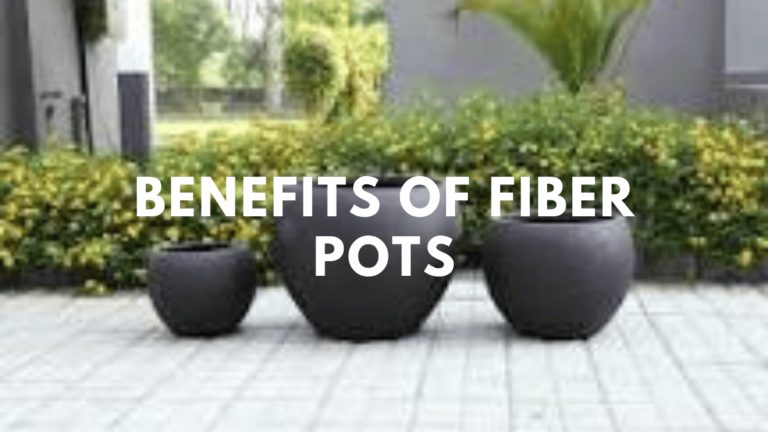
    Fiber pots, often known as biodegradable or eco-friendly pots, are an innovative solution for gardeners seeking sustainable alternatives to traditional plastic containers. These pots are made from natural fibers, such as coconut coir, jute, or hemp, and are designed to provide a sturdy, environmentally friendly option for growing plants. The demand for these fiber flower pots is growing rapidly due to their many benefits, including their ability to retain moisture, promote healthy root growth, and reduce plastic waste in the environment.

    These eco-friendly gardening tools are widely used in both home gardens and professional horticulture due to their ability to maintain soil health while fostering plant growth. The growing popularity of fiber pots is a testament to the increasing demand for sustainable gardening products that support both the environment and plant health.

    How Fiber Pots Benefit Your Garden

    Fiber pots offer numerous benefits that make them a preferred choice for modern gardeners. One of the most significant advantages is their eco-friendliness. Unlike traditional plastic pots, which can take hundreds of years to decompose, fiber pots break down naturally over time, leaving behind minimal environmental impact. Additionally, these pots are made from renewable resources, making them a more sustainable option in today’s world.

    Another key benefit of fiber flower pots is their ability to promote healthy root growth. The natural fibers used in these pots allow for better air circulation to the roots, which encourages strong, healthy root systems. As the plant grows, the roots are able to penetrate the pot’s walls, leading to better root establishment and overall plant health.

    Moreover, fiber pots are known for their moisture retention properties. This is especially beneficial in areas where water conservation is a priority, or in urban gardens where access to water can be limited. The moisture retention abilities of fiber pots help keep plants hydrated for longer periods, reducing the need for frequent watering.

    The Eco-Friendly Nature of Fiber Pots

    With the growing concern over plastic pollution, fiber pots have emerged as an excellent alternative for gardeners looking to minimize their carbon footprint. The production of fiber pots requires fewer resources than plastic pots, and they can be made from recycled or sustainably sourced materials. This makes them a much more environmentally responsible option, especially for gardeners who are conscious about their ecological impact.

    Furthermore, fiber pots are biodegradable, meaning that when they are no longer needed, they decompose naturally. This process reduces the amount of waste that ends up in landfills and contributes to a healthier, cleaner planet. The biodegradability of fiber pots is particularly advantageous for gardeners who are looking for sustainable ways to dispose of their used gardening containers.

    Types of Fiber Pots and Their Uses

    Fiber pots come in a variety of shapes, sizes, and materials, making them versatile for a wide range of gardening applications. Common types of fiber flower pots include coconut coir pots, jute pots, and hemp-based pots. Each type has its unique benefits and can be chosen based on the specific needs of the plants being grown.

    Coconut coir pots, for instance, are made from the husks of coconuts and are known for their exceptional water retention properties. These pots are ideal for plants that require consistent moisture, such as tropical plants, succulents, and herbs. On the other hand, jute and hemp pots are stronger and more durable, making them well-suited for larger plants or those with more aggressive root systems.

    In addition to traditional garden use, fiber pots are also increasingly popular for container gardening, particularly in urban environments where space is limited. Their lightweight construction makes them easy to move, and they are an excellent choice for growing plants on balconies, patios, or rooftops.

    How Fiber Flower Pots Support Healthy Plant Growth

    When it comes to promoting plant health, fiber pots offer several advantages over traditional plastic pots. One of the key benefits is their ability to encourage strong root development. The porous nature of fiber pots allows for better airflow to the roots, which helps prevent root rot and promotes healthy growth.

    Fiber flower pots are also excellent at regulating moisture levels. The natural fibers used in these pots absorb and retain water, ensuring that plants receive adequate hydration without the risk of overwatering. This makes them particularly suitable for plants that thrive in consistently moist soil, such as ferns, mosses, and certain types of flowers.

    Additionally, fiber pots help maintain soil integrity by preventing the soil from becoming compacted. Over time, the natural fibers break down and enrich the soil, providing essential nutrients to the plants. This makes fiber flower pots a great choice for gardeners who prioritize organic and sustainable gardening practices.

    Pros and Cons of Fiber Pots

    ProsCons
    Eco-Friendly: Made from natural fibers and biodegradable.Limited Durability: May not last as long as plastic pots, especially in harsh weather conditions.
    Promotes Root Growth: The porous material allows roots to breathe and grow freely.Higher Cost: Fiber pots can be more expensive than plastic alternatives.
    Moisture Retention: Ideal for water conservation and consistent hydration.May Decompose Quickly: In extreme conditions, fiber pots may break down faster than expected.
    Biodegradable: Environmentally responsible choice for gardeners.Limited Availability: May not be as widely available as plastic pots in all regions.

    How to Choose the Right Fiber Pot for Your Garden

    Selecting the right fiber flower pot for your garden depends on several factors, including the size of your plants, the climate you live in, and the specific needs of your garden. It’s essential to consider the material of the pot, as different fibers offer different benefits. For example, coconut coir pots are great for moisture-loving plants, while hemp pots are better for larger, more durable plants.

    Size is another important consideration. Fiber pots are available in a range of sizes, from small pots for herbs to large containers for trees and shrubs. Choosing the right size ensures that your plants have enough space to grow without becoming root-bound, which can hinder their development.

    Additionally, consider the aesthetic of your garden when selecting fiber flower pots. These pots come in a variety of colors and designs, allowing you to match the look of your outdoor or indoor space. Whether you prefer a rustic, natural look or a more modern design, there’s a fiber pot that will complement your garden’s style.

    Conclusion

    Fiber pots offer a sustainable and effective solution for gardeners looking to reduce their environmental impact while promoting healthy plant growth. These eco-friendly pots are made from natural fibers like coconut coir, jute, and hemp, which allow for better root development, moisture retention, and overall plant health. While they may have a slightly higher cost compared to plastic pots, their long-term benefits, including biodegradability and improved plant growth, make them a worthwhile investment for any gardener. By choosing the right fiber flower pot for your garden, you can help create a greener future while nurturing your plants to thrive.

    FAQs

    1. Are fiber flower pots biodegradable?
    Yes, fiber flower pots are biodegradable, meaning they break down naturally over time, reducing their environmental impact.

    2. How do fiber pots improve plant growth?
    Fiber pots allow for better airflow to the roots, preventing root rot and promoting healthy root growth. They also help regulate moisture levels, ensuring consistent hydration.

    3. Can I use fiber pots for all types of plants?
    Yes, fiber pots are suitable for a wide variety of plants, including flowers, herbs, and vegetables. However, it’s important to choose the right material and size for your specific plant needs.

    4. Are fiber pots more expensive than plastic pots?
    Yes, fiber pots tend to be more expensive than plastic pots due to their eco-friendly materials and manufacturing processes.

    5. How long do fiber pots last?
    The lifespan of fiber pots depends on environmental factors such as weather conditions. While they may decompose faster than plastic pots, they typically last long enough to support plant growth for one or two growing seasons.

  • Building a Vertical Garden with Recycled Materials

    Building a Vertical Garden with Recycled Materials

    Introduction to Vertical Gardening: A Sustainable Revolution

    Vertical gardening is rapidly becoming an essential practice for those looking to maximize their gardening space, especially in urban environments. This technique involves growing plants upwards, as opposed to the traditional sprawling approach, enabling gardeners to utilize their space more efficiently. Vertical gardens can be created using various methods, with a particular emphasis on DIY projects that are both cost-effective and sustainable. One of the most compelling aspects of vertical gardening is its ability to reduce the footprint of plants, expanding the number of crops you can grow within a limited area.

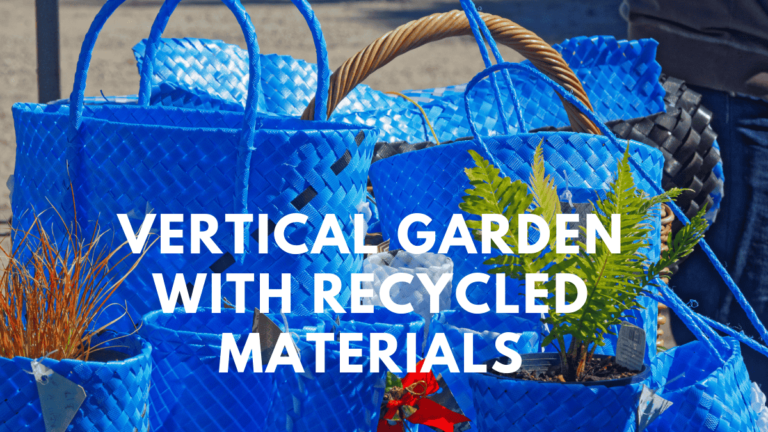
    Incorporating recycled materials into these vertical gardens not only reduces costs but also supports sustainability. For instance, using old wooden pallets, wire fencing, and discarded containers allows you to create functional and beautiful trellises, planters, and growing structures. In this article, we’ll explore the many benefits of vertical gardening, offer ideas for DIY projects, and guide you on how to incorporate recycled materials into your own garden to create a more productive and eco-friendly growing space.

    What Is Vertical Gardening? A Game-Changer for Urban Gardening

    At its core, vertical gardening is the practice of training plants to grow upwards rather than outwards, using structures like trellises, fences, and walls. This approach allows gardeners to increase their plant yield in confined spaces, such as small backyards or even balconies. Vertical gardening is especially advantageous in urban settings where outdoor space is limited. By growing plants vertically, you make the most of available space, turning unused vertical surfaces into valuable garden areas.

    Moreover, the use of recycled materials in vertical gardening projects is an excellent way to minimize waste. Items like old plastic bottles, scrap wood, and unused wire mesh can be repurposed to create functional, beautiful gardening solutions. This not only reduces costs but also contributes to a more sustainable way of gardening.

    The Numerous Benefits of Vertical Gardening

    1. Maximized Space Utilization

    One of the primary reasons gardeners choose vertical gardening is to save space. Growing plants vertically reduces the ground area needed, allowing for more plants in the same footprint. For instance, a squash plant, which typically requires about 20 square feet of space when grown on the ground, can be trained to grow upwards on a trellis, occupying just a fraction of the space. This makes it possible to share garden beds with a variety of other plants, effectively increasing your garden’s capacity.

    2. Simplified Harvesting Process

    Vertical gardening significantly eases the harvesting process. Instead of bending over or crawling on the ground to reach fruits or vegetables, plants grown vertically are positioned at a convenient height, making them easy to harvest without straining your back and knees. This accessibility is particularly beneficial for gardeners with physical limitations or those who simply want to make harvesting less of a chore.

    Moreover, vertical gardening reduces the chances of missing ripe produce. When fruits and vegetables are positioned at eye level, you are more likely to spot them and harvest them at the right time, ensuring that your crops are fresh and of the highest quality.

    3. Healthier Plants

    Plants grown vertically tend to be healthier than those left to sprawl on the ground. By keeping them off the soil, vertical gardening reduces the risk of fungal diseases, pests, and rot caused by damp, moist soil splashing onto plant leaves. Additionally, vertical growth allows for better air circulation around plants, which is crucial for reducing the spread of diseases.

    This method also prevents pests from easily reaching the plants, keeping your crops safe from small critters that might otherwise nibble on your tomatoes or cucumbers. As a result, vertical gardening can lead to healthier plants and a more successful harvest.

    4. Aesthetic Appeal

    Vertical gardens can significantly enhance the visual appeal of your garden space. These structures add depth, texture, and dimension to your outdoor area, creating an aesthetically pleasing environment. Arched trellises, in particular, provide an elegant and functional design element, offering both beauty and productivity. When properly arranged, vertical gardens can transform even the smallest garden into a lush, vibrant space.

    Vertical gardens also allow for the creative use of materials, making it easy to integrate personal style into the garden design. Whether you prefer rustic, DIY trellises made from reclaimed wood or sleek, modern wire structures, vertical gardening can be adapted to suit any aesthetic.

    Is Vertical Gardening Economical?

    When considering vertical gardening, cost is always a key factor. While pre-made trellises and vertical gardening kits can be expensive, there are many ways to build your own structures using recycled materials. For example, items like welded wire, T-posts, cattle panels, and even old chicken wire can be used to construct effective and affordable vertical gardens. The cost of buying these materials in bulk is often much lower than purchasing commercial trellises, making DIY vertical gardening a budget-friendly solution.

    Avoiding Expensive Pitfalls

    Many gardeners make the mistake of overspending on expensive pre-made gardening structures that may not provide the necessary functionality. For instance, a single trellis designed for one cucumber plant can cost around $35, which can quickly add up if you plan to grow multiple crops. Instead, consider using recycled materials that serve the same purpose without the hefty price tag.

    By being resourceful and creative with your materials, you can create a highly functional vertical garden that fits your budget. Simple DIY trellis ideas, such as using wooden pallets, recycled fencing, or old window frames, can be just as effective and much more affordable.

    DIY Vertical Gardening Projects Using Recycled Materials

    Creating a vertical garden with recycled materials is both easy and satisfying. Here are some DIY project ideas that can help you get started:

    1. Cattle Panel Trellises

    Cattle panels are an excellent material for building large arched trellises. They are sturdy and relatively inexpensive, and they can support a variety of climbing plants like beans, cucumbers, and tomatoes. You can purchase a cattle panel for around $30 and easily bend it into an arch shape to create a visually striking trellis for your garden.

    2. Plastic Bottle Vertical Planters

    Old plastic bottles can be repurposed into vertical planters by cutting holes in them and stacking them to create a cascading garden. This project is perfect for small spaces, as it utilizes vertical space efficiently and provides a unique, eco-friendly way to grow plants like herbs and strawberries.

    3. Recycled Fencing Trellises

    If you have any old fencing lying around, consider turning it into a vertical garden structure. You can repurpose broken dog kennels, old gates, or even scrap metal fencing to create custom trellises that will support climbing plants. This approach is both sustainable and cost-effective.

    4. Wooden Pallet Vertical Gardens

    Wooden pallets are a popular choice for vertical gardening because they are readily available and easy to convert into planters. By attaching a few pallets to a wall or fence, you can create a vertical garden that holds multiple rows of plants, such as lettuce, kale, and herbs.

    5. Dealing with Vertical Garden Maintenance

    Although vertical gardens are generally easier to maintain in terms of pest control and disease prevention, they do require consistent upkeep. For example, plants growing vertically need to be regularly checked to ensure they are properly trained on their support structures. As plants grow, they might need additional support, such as twine or clips, to keep them from falling over or getting tangled.

    Moreover, watering can be trickier with vertical gardens, especially if you’re growing a variety of plants. Unlike traditional gardening, where water is absorbed evenly throughout the soil, vertical gardens often need more targeted watering techniques. Drip irrigation systems or a watering can with a long spout can help ensure that each plant gets the water it needs.

    6. Addressing Potential Problems with Planting Materials

    While recycled materials are a cost-effective way to build vertical garden structures, they may not always last as long as purchased materials. For instance, chicken wire can be prone to rust over time, and wooden pallets may degrade under the weight of heavy plants or exposure to the elements. However, with proper care and maintenance, these materials can last for several seasons, and the environmental benefits of recycling far outweigh any potential drawbacks.

    If you are concerned about durability, consider applying protective coatings to your recycled materials. For example, you can treat wood with a weather-resistant sealant or use coated wire to prevent rust. This simple extra step can extend the lifespan of your vertical garden structures, ensuring that they continue to function well year after year.

    7. Choosing the Right Location for Your Vertical Garden

    Location is crucial when it comes to vertical gardening. Plants that thrive in vertical gardens, such as tomatoes and cucumbers, require plenty of sunlight to grow and produce fruit. Therefore, choosing the right spot with adequate sun exposure is vital for the success of your vertical garden.

    It’s important to assess your garden space and understand how sunlight moves throughout the day. If you’re growing plants indoors, position your vertical garden near a window that receives direct sunlight, or consider investing in grow lights to supplement natural light.

    Additionally, take into account wind exposure when selecting a location for your vertical garden. Strong winds can damage delicate plants or cause your vertical structures to collapse. Make sure your trellises or supports are sturdy enough to withstand gusty conditions, or position them in areas that are shielded from high winds.

    What Plants Are Best for Vertical Gardening?

    Vertical gardening is suitable for a wide range of plants, especially those that naturally climb or spread. Some of the best plants for vertical gardening include:

    • Climbing Beans: Beans are excellent for vertical gardening because they naturally climb, making them ideal candidates for trellises.
    • Cucumbers: Like beans, cucumbers can be trained to grow upwards on a trellis, saving space while producing high yields.
    • Melons: Many melon varieties can be grown vertically, allowing for easy harvesting and a more compact garden layout.
    • Squash: Vertical gardening helps squash plants grow upward, preventing them from sprawling and taking up too much space.
    • Tomatoes: Indeterminate tomato varieties benefit greatly from vertical gardening, as they can be trained to grow upwards, keeping the fruit off the ground.You can also experiment with mixing plants on different sides of the trellis. Just ensure that they have similar watering and sunlight requirements to prevent complications.

    Maximizing the Benefits of Vertical Gardening

    With a bit of effort and planning, vertical gardening can become a highly rewarding endeavor. Here are a few final tips to help you make the most of your vertical garden:

    1. Mix and Match Plants: As mentioned earlier, you can grow different types of plants on each side of a trellis, as long as they have similar water and sunlight needs. Be mindful of plant spacing to avoid overcrowding, and ensure that the plants do not shade each other out.
    2. Use Companion Planting: Vertical gardens are a perfect opportunity to implement companion planting, a technique that involves planting certain species together to benefit each other. For instance, growing basil near tomatoes can enhance the flavor of your tomatoes and help deter pests like aphids.
    3. Prune Regularly: As your vertical garden grows, be sure to prune plants to encourage healthy growth. Pruning helps plants to grow in the direction you want them to, and it prevents them from becoming too bushy or top-heavy, which can make them prone to falling over.
    4. Rotate Crops: To ensure the longevity of your vertical garden, practice crop rotation. This involves planting different types of crops in the same location each year to prevent soil depletion and reduce the risk of pest infestations.

    Frequently Asked Questions (FAQs)

    1. Can I grow flowers in a vertical garden? Yes, many flowers can thrive in vertical gardens, especially climbing varieties like morning glories, sweet peas, and clematis. Vertical gardening works great for both edible and ornamental plants.

    2. How often should I water my vertical garden? Watering frequency will depend on the types of plants you’re growing and the climate. Generally, vertical gardens require more frequent watering than traditional garden beds, as water drains faster in vertical structures. Consider using a drip irrigation system for more efficient watering.

    3. Are there any challenges with vertical gardening in cold climates? Yes, vertical gardens in colder climates may require additional protection during the winter months. You can cover plants with row covers or use a greenhouse structure to shield them from freezing temperatures.

    4. How do I prevent my vertical garden from toppling over? To ensure stability, use sturdy materials like T-posts, welded wire, or cattle panels. Secure your vertical structures firmly in the ground, and consider adding weight to the base if necessary.

    5. Can I grow trees vertically? While most trees require a lot of space and would not be suitable for vertical gardening, smaller fruit trees and dwarf varieties can be trained to grow upwards on trellises or arbors. This technique is ideal for those with limited space.

    The Future of Urban Gardening

    Vertical gardening is a revolutionary technique that allows gardeners to make the most of their space, whether they have a small balcony, a crowded backyard, or even just a tiny apartment. By growing plants upwards rather than outwards, vertical gardening provides a sustainable solution for city dwellers who wish to enjoy home-grown produce without sacrificing valuable space.

    By incorporating recycled materials into your vertical garden, you not only save money but also contribute to a more sustainable and eco-friendly way of gardening. From simple DIY planter projects to more elaborate trellis systems, the possibilities for creating a productive, space-saving garden are endless. Whether you’re looking to grow vegetables, fruits, or ornamental plants, vertical gardening can be adapted to suit your needs.

    With the right tools, materials, and a bit of creativity, you can easily transform your outdoor or indoor space into a thriving vertical garden. Not only will you have a visually appealing garden that’s easy to maintain, but you’ll also enjoy the many benefits of fresh, home-grown produce right at your fingertips.

    Final Thoughts: Vertical Gardening for Everyone

    Vertical gardening is more than just a trend; it’s a practical and sustainable solution for urban gardeners seeking to maximize their growing space. By using recycled materials and implementing DIY projects, you can create a functional and beautiful garden that not only saves space but also promotes sustainability. Whether you’re growing fruits, vegetables, or flowers, vertical gardening offers a creative way to cultivate a thriving garden in even the smallest of spaces.

  • How to Start an Urban Garden in Small Spaces?

    How to Start an Urban Garden in Small Spaces?

    Urban gardening has rapidly gained popularity in recent years as city dwellers are looking for ways to reconnect with nature, grow their food, and make the most of limited spaces. But what exactly is urban gardening? In short, it’s the practice of growing plants in an urban setting, whether on a rooftop, balcony or even in a small yard. But urban gardening isn’t just about plants. It’s about community, sustainability, and personal well-being. This comprehensive guide will walk you through the essentials of urban gardening and how to create your urban garden, no matter how much space you have.

    What is Urban Gardening?

    Urban gardening refers to cultivating plants in an urban environment, such as growing flowers, vegetables, or herbs in city spaces. With the growth of city populations and an increasing interest in sustainability, urban gardening has become a widespread practice. It helps individuals reconnect with nature, provides fresh produce, and offers benefits such as stress reduction and fostering a sense of community.

    Urban gardens can take many forms, including:

    • Container Gardens: Using pots, barrels, or any available containers to grow plants on balconies, windowsills, or even indoor spaces.
    • Community Gardens: Shared gardening spaces where neighbours or communities come together to grow food and connect.
    • Vertical Gardens: Utilizing vertical space on walls or trellises to maximize limited areas for plant growth.
    • Rooftop Gardens: A modern urban gardening trend where unused rooftop spaces are transformed into gardens.

    Urban gardening enhances the aesthetic appeal of urban spaces and reduces environmental impacts by lowering the carbon footprint. It helps combat food insecurity, especially in densely populated areas and promotes healthier living. Additionally, it allows individuals to grow their food, reducing dependency on store-bought produce.

    What is Urban Farming?

    While urban gardening and urban farming share similarities, they differ in scale. Urban farming involves growing food on a larger scale, often for commercial purposes and may include raising animals or growing crops such as fruits, vegetables, and herbs. Urban farming addresses the growing demand for locally sourced food in urban areas, aiming to reduce the reliance on long-distance transportation and increase food accessibility in cities.

    Cities like Tokyo, Hong Kong, Singapore, and major urban centres in the U.S., like Los Angeles and New York, have embraced urban farming in creative ways. From using rooftops to vacant lots, these cities are finding innovative ways to turn unused spaces into sources of fresh, local food.

    Why Urban Gardening Matters?

    Urban gardening is more than just growing plants; it is about creating a healthier and more sustainable urban environment. It can reduce environmental pollution, contribute to better air quality, and provide communities with fresh food. Moreover, it fosters well-being, as gardening has been shown to lower stress, improve mental health, and create strong community bonds.

    Benefits of Urban Gardening:

    • Improves Well-being: Spending time gardening has been shown to reduce stress levels and improve mental health.
    • Saves Money: Growing your food can cut down on grocery bills, especially for fresh produce.
    • Environmental Impact: Reduces food miles and the carbon footprint associated with transporting food long distances.
    • Enhances Community: Urban gardens help neighbours collaborate, share knowledge, and improve social connections.

    How to Get Started with Urban Gardening

    Starting an urban garden may seem intimidating, but it is easy to begin, even in small spaces. Whether you have a balcony, a small backyard, or a windowsill, urban gardening offers an opportunity to create a green space in your life. Here’s a step-by-step guide to help you get started.

    Step 1: Choose Your Space

    The first step in creating an urban garden is finding the right space. You don’t need a lot of room to get started; even a tiny balcony, windowsill, or shared community garden can be a perfect spot. Here are some space options:

    • Balcony or Patio: If you live in an apartment or condo, your balcony or patio can be a great place to start.
    • Rooftops: If you have access to a rooftop, it can be a prime space for a garden.
    • Shared Spaces: You can collaborate with neighbours to transform unused areas into a community garden.
    • Window Boxes: If you don’t have much outdoor space, window boxes are perfect for growing small plants or herbs.

    Be sure to measure your available space, as this will help you decide how much you can grow. If you’re in a shared space, it’s essential to ask for permission from building owners or local authorities before starting your garden.

    Step 2: Choose Your Containers

    Once you’ve chosen your space, it’s time to pick containers for your plants. While decorative pots are an option, they can often be expensive and not as practical. Here are some affordable alternatives:

    • Buckets and Plastic Containers: These can be bought cheaply at garden stores or repurposed from home.
    • Raised Beds: These can be purchased or made from wooden planks. Raised beds are ideal for growing plants in small spaces.
    • Upcycled Containers: Use old crates, wooden boxes, or even discarded toys to create creative containers for your garden.

    Tip: To maximize space, consider using vertical planters such as stackable planters, hanging baskets, or railing planters.

    Step 3: Choose Your Plants

    When selecting plants for your urban garden, think about the available sunlight, the type of plants, and the space constraints. Urban gardens often have limited space, so opt for plants that thrive in confined areas. Some great options include:

    • Vegetables: Leafy greens like lettuce, spinach, and kale thrive in smaller spaces. Tomatoes, peppers, and beans also do well in containers.
    • Herbs: Basil, mint, thyme, and parsley are perfect for container gardening and grow well in small spaces.
    • Flowers: Marigolds, petunias, and sunflowers are colourful additions to any garden and are easy to maintain.

    Ensure that your plants have the proper requirements for sunlight and water. Some plants may need more sunlight, while others might thrive in shadier spots.

    Step 4: Sow Seeds or Plant Seedlings

    After choosing your plants, you can either sow seeds or use seedlings for quicker results. If you decide to start from seeds, you can begin growing them indoors in small containers or egg cartons. Once the seedlings are ready, you can transplant them into larger pots or garden beds.

    If you opt for seedlings, you can buy them from a local nursery or garden centre. When planting, ensure your containers have drainage holes to avoid waterlogging. Fill the bottom with gravel or rocks to improve drainage, then add soil and plant your seedlings.

    Step 5: Water and Care for Your Garden

    Watering your garden is crucial, as plants in containers dry out faster than those planted directly in the ground. Water your plants regularly, but avoid overwatering, as this can lead to root rot. Depending on the weather and the type of plants, you may need to water once or twice a week.

    Consider investing in automatic watering systems or using self-watering containers if you’re often busy or away from home.

    Vertical Gardening: A Space-Saving Solution

    Urban spaces are often limited, but that doesn’t mean you can’t grow plenty of plants. Vertical gardening is an excellent option for maximizing your space and increasing plant yields. You can use various methods for vertical gardening:

    • Vertical Planters: These are stackable pots that allow you to grow plants on top of each other.
    • Wall Planters: Attach planters to your walls for an eye-catching display.
    • Trellises: Use trellises for climbing plants such as beans or tomatoes.

    By going vertical, you can use your walls, fences, and even window frames to grow plants efficiently.

    Urban Gardening Pros and Cons

    Urban Gardening Pros and Cons

    ProsCons
    Reduces food costsLimited space may restrict the number of plants
    Improves mental health and well-beingNeeds regular maintenance
    Helps reduce environmental impactRequires time and commitment
    Promotes sustainability and communitySome plants require specific conditions (sunlight, water)
    Enhances urban aestheticsPests may become a problem in small spaces

    Frequently Asked Questions (FAQs)

    1. Can I start an urban garden in an apartment? Yes! You can start an urban garden in small spaces like balconies, windowsills, or even indoors using containers.

    2. What plants are best for urban gardens? Vegetables like peppers, tomatoes, and salad greens, as well as herbs like basil and thyme, are great choices for urban gardening.

    3. How much time does urban gardening require? It depends on the plants and the setup. On average, expect to spend a few hours a week tending to your garden.

    4. Can I grow flowers in an urban garden? Yes! Flowers like sunflowers, petunias, and marigolds thrive in urban gardens and add vibrant color to your space.

    5. What is the difference between urban gardening and urban farming? Urban gardening is typically done on a smaller scale, often for personal use, while urban farming involves larger-scale food production, often for community consumption or commercial purposes.

    Conclusion

    Urban gardening is an excellent way to bring nature into your life, no matter where you live. Whether you’re looking to grow your own food, create a peaceful green space, or foster a sense of community, starting an urban garden is the perfect solution. With just a little planning, creativity, and dedication, you can turn any small space into a thriving garden that provides both beauty and fresh, homegrown food. So why wait? Start your urban garden today and watch your city space bloom with life!