Tag: african violet care

  • The Ultimate Guide to Choosing the Best African Violet Pots

    The Ultimate Guide to Choosing the Best African Violet Pots

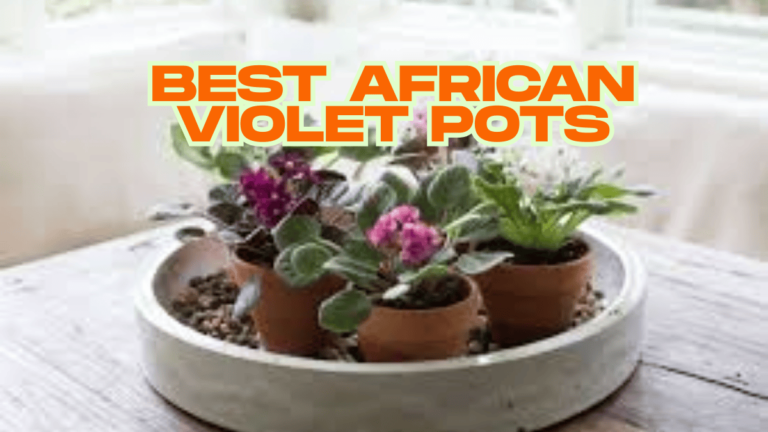
    Introduction to African Violet Pots

    When it comes to growing African violets, selecting the right pot is one of the most critical decisions that any plant enthusiast must make. These beloved indoor plants, known for their vibrant colors and delicate nature, need specific conditions to grow well. Whether you are a seasoned gardener or a novice, you likely know that African violet care goes beyond just watering and sunlight.

    One of the most essential factors in caring for African violets is choosing the proper pot. Not just any pot will do for these delicate plants. The right African violet pot can ensure that the plant gets the nutrients, moisture, and space it needs to thrive. On the flip side, the wrong pot can lead to stunted growth, root rot, and an unhealthy plant overall.

    This guide aims to help you understand what makes an African violet flower pot unique and why specific characteristics of pots can make all the difference. We’ll explore everything you need to know—from choosing the size and material of your pot to providing African violet care that keeps these plants flourishing in your home.

    Why the Right Pot Matters for African Violets

    Understanding the significance of the right pot for African violets starts with knowing the nature of these plants. African violets, known scientifically as Saintpaulia, are native to the tropical regions of East Africa. These plants are adapted to grow in shaded, humid environments with a consistent supply of moisture, and they thrive in well-draining, loose soil.

    When you bring African violets into your home, you’re essentially recreating their native environment. This means providing them with the correct amount of water, humidity, and light—along with a pot that complements these needs.

    Drainage is perhaps the most important feature when selecting an African violet pot. In nature, these plants grow in soil that has excellent drainage, and they rely on their roots to “breathe.” Without proper drainage, water can accumulate at the base of the pot, leading to waterlogged soil, and ultimately, root rot.

    Choosing the Perfect African Violet Pot: Key Considerations

    Selecting the right pot for your African violet isn’t just about aesthetics. It’s about creating the ideal conditions for growth. Here’s a breakdown of the critical factors to consider when choosing your African violet flower pots:

    1. Size of the Pot

    Size matters when it comes to African violet pots. One common mistake people make is choosing a pot that’s too large. While it may seem like a larger pot would give your plant more room to grow, in reality, it can lead to problems. When a pot is too large, the soil holds too much water for the plant to absorb, leading to stagnant conditions that can cause the roots to rot.

    The ideal African violet pot should be 1-2 inches larger in diameter than the root ball of your plant. This allows enough room for growth without causing the soil to stay too moist for too long. When you see your African violet outgrowing its pot—usually after 12 to 18 months—then it’s time to repot. However, resist the urge to move the plant into a pot that’s too large. Larger pots will also require more frequent watering, and the plant’s roots may struggle to establish themselves in the larger space.

    2. Material of the Pot

    The material of your African violet pot plays a crucial role in maintaining healthy moisture levels and providing the proper environment for growth. The most common materials for African violet pots are plastic, ceramic, terracotta, and clay. Let’s explore each material in detail:

    • Plastic Pots: These are the most common and affordable pots for African violets. They are lightweight, retain moisture well, and are often equipped with drainage holes to allow excess water to escape. Plastic pots are also resistant to cracking, making them durable for long-term use. However, they do not provide as much breathability to the soil as some other materials, which can sometimes lead to mold buildup.
    • Ceramic Pots: Ceramic pots are more aesthetically pleasing and come in a wide variety of styles, colors, and designs. These pots are heavier than plastic, making them less prone to tipping over. Ceramic pots also retain moisture well, which is beneficial for African violets. However, they can dry out quicker than plastic pots and may require more frequent watering.
    • Terracotta and Clay Pots: These pots are porous, meaning they allow air and moisture to pass through the sides of the pot. This helps to prevent root rot by promoting better soil aeration. Terracotta pots are heavy, so they may be difficult to move, and they also dry out faster than plastic or ceramic pots. If you choose a terracotta pot, be prepared to water your African violet more frequently.

    3. Drainage: A Non-Negotiable Feature

    Proper drainage is essential when choosing an African violet pot. As mentioned, African violets are particularly sensitive to overwatering. In nature, they grow in well-drained soils, and when kept indoors, they need a pot that mirrors this environment.

    Look for pots with several small drainage holes at the bottom. This allows excess water to escape, preventing the roots from sitting in stagnant water, which can lead to rot. Additionally, you may want to place a saucer underneath the pot to catch any excess water that escapes the drainage holes.

    If you fall in love with a pot that lacks drainage holes, don’t fret—you can always drill small holes yourself. However, be cautious and ensure that you drill clean, even holes to prevent any damage to the pot.

    4. Shape of the Pot

    The shape of the pot can affect how well your African violet grows. Generally, African violet pots are shallow and wide, as opposed to deep and narrow. This is because African violets have a shallow root system that thrives best when the roots can spread out rather than grow down. Shallow, wide pots provide the optimal environment for these plants to grow, allowing the roots to access more nutrients and water, while avoiding the waterlogging that deep pots may cause.

    5. Aesthetic Considerations

    Although functionality is crucial when choosing an African violet pot, you should also consider the aesthetic qualities of the pot. After all, African violets are decorative plants that are meant to be displayed. You’ll want a pot that complements your interior design style. Whether you prefer a classic terracotta pot or a colorful ceramic one, make sure it’s something that enhances the beauty of your plant and home.

    Caring for African Violets in Pots

    Once you have chosen the perfect African violet flower pot, proper care is essential to ensure your plant thrives. Here are some essential African violet care tips to keep in mind:

    1. Watering Tips

    One of the most important aspects of African violet care is watering. It’s essential to water these plants properly to avoid overwatering or underwatering. The best way to water African violets is from the bottom. To do this, place your pot in a shallow tray filled with water and let the plant absorb the moisture through the bottom. This prevents water from splashing onto the leaves, which can cause spots or rot.

    If you must water from the top, do so carefully, ensuring that the water only touches the soil and not the leaves. Always check that your pot has proper drainage to prevent water buildup.

    2. Light Requirements

    African violets need bright, indirect light to thrive. They prefer areas that receive plenty of light but are shielded from direct sunlight. Placing your African violet near a window with sheer curtains or in a spot with filtered sunlight is ideal. If the plant doesn’t receive enough light, it may become leggy or fail to flower.

    3. Temperature and Humidity

    African violets thrive in temperatures between 65°F and 75°F (18°C to 24°C) and humidity levels between 50% and 60%. If your home is dry, you may need to increase humidity around the plant. A humidity tray or a small humidifier placed nearby can help create a more favorable environment for your African violets.

    4. Repotting African Violets

    Repotting your African violets should be done every 12-18 months, or when the plant outgrows its pot. Choose a new pot that is only 1-2 inches larger in diameter than the previous one. Gently remove the plant from its old pot, check the roots for any signs of rot, and replace any old soil with fresh potting mix.

    Pros and Cons of Different African Violet Pots

    Pot TypeProsCons
    Plastic PotsLightweight, retain moisture well, affordableLess breathable than terracotta, can become moldy if not properly drained
    Clay PotsProvide excellent drainage, natural material, aesthetic appealDry out quickly, heavier than plastic
    Ceramic PotsDurable, visually appealing, offers good moisture retentionHeavy, expensive
    Terracotta PotsPorous, excellent for root health and drainageDries out quickly, needs frequent watering

    FAQs About African Violet Pots

    1. What size pot is best for African violets? The best size pot for African violets is 1-2 inches larger in diameter than the plant’s root ball. This provides enough room for the roots to expand while preventing excessive moisture retention.

    2. Can I use a pot without drainage holes for African violets? While it’s best to use a pot with drainage holes, you can use a pot without them by drilling small holes yourself or by using a saucer to catch excess water. However, ensure that the roots are not sitting in water.

    3. Should I choose a shallow or deep pot for African violets? African violets prefer shallow pots with a wider base. This allows their roots to spread out, which promotes healthy growth and flowering.

    4. How often should I repot African violets? Repotting should be done every 12-18 months, or when the plant outgrows its current pot. Ensure the new pot has proper drainage and is 1-2 inches larger in diameter.

    5. Can I use a decorative pot for African violets? Yes, but ensure the decorative pot has drainage holes or that you place your African violet pot inside the decorative pot. Proper drainage is essential for the health of the plant.

    Conclusion

    Choosing the right African violet pots is an essential part of African violet care. The right pot can make all the difference in helping these plants thrive and bloom beautifully. Whether you opt for a plastic, ceramic, or terracotta pot, ensure it has good drainage and is the correct size for your plant. Remember that a healthy potting environment, paired with the right care routine, will help you enjoy vibrant African violets year-round.

    By understanding the importance of the pot and how it affects your plant’s growth, you’ll create a thriving environment for your African violets and enjoy their stunning flowers for years to come.

  • How to Care for african violet (2025)

    How to Care for african violet (2025)

    African violet are beloved houseplants that brighten any space with their colorful blooms and lush green foliage. Known for their compact size and easy-care nature, they can thrive indoors with the right care. Whether you’re a seasoned plant enthusiast or a newcomer to the world of houseplants, learning how to care for African violet is essential for ensuring they grow strong, healthy, and bloom beautifully year-round. In this guide, we’ll delve into the vital aspects of African violet care, from lighting and watering to soil and temperature preferences.

    Understanding African Violets

    Native to tropical regions of East Africa, African violets (Saintpaulia) are hardy plants that thrive in warm, humid conditions. They are known for their vibrant flowers that can range from purple to pink, blue, and even white. These plants are often seen in homes and offices because of their low-maintenance needs and long-lasting blossoms. However, like all plants, African violets require specific care to flourish. This article will provide comprehensive guidance on everything from soil requirements to common pests that may affect them.

    Light Requirements for African Violets

    The first thing to consider when caring for African violets is light. These plants thrive in moderate light, but direct sunlight can be harmful. Too much direct sunlight will burn the delicate leaves, causing them to yellow and wilt. On the other hand, insufficient light will result in poor growth and few flowers.

    A bright, indirect light source is ideal for African violets. Place them near windows with sheer curtains, or use grow lights designed for indoor plants to give them the light they need without the risk of sunburn. Keep in mind that African violets need about 12-14 hours of light per day to bloom properly. If you live in a region with long winters, a grow light will be particularly beneficial.

    Watering African Violets

    Watering is one of the most important aspects of African violet care. These plants require consistent moisture but are prone to root rot if overwatered. The key is to maintain the right balance. It’s best to water African violets from the bottom, as this helps prevent water from sitting on the leaves, which can cause them to rot.

    To water properly, place the pot in a shallow tray filled with water for 10-15 minutes. Let the plant absorb the water through the drainage holes at the bottom of the pot. Afterward, discard any excess water that remains in the tray. It’s essential to ensure that the plant is not sitting in water for too long, as this can lead to waterlogged soil and root rot.

    When watering, always use room temperature water. Cold water can shock the plant, and hot water can cause the roots to burn. Watering once every 5-7 days is generally sufficient, but always check the soil’s moisture level by sticking your finger about an inch into the soil. If it feels dry, it’s time to water.

    Soil and Potting for African Violets

    African violets prefer a light, well-draining soil mix that allows water to move freely without becoming soggy. Specially formulated African violet potting mixes are available, but if you prefer to make your own, a good mixture includes equal parts of peat moss, perlite, and vermiculite. This combination ensures that the soil is airy and retains just the right amount of moisture.

    When selecting a pot, choose one with good drainage. African violets do not like to sit in stagnant water, so it’s essential to ensure that excess moisture can escape. A small, shallow pot works best for African violets, as their roots are relatively compact.

    Temperature and Humidity

    African violets thrive in temperatures between 65-75°F (18-24°C), making them perfect for indoor environments. These plants are sensitive to sudden temperature fluctuations, so avoid placing them near drafty windows, air conditioning units, or heating vents. Additionally, they prefer humidity levels of 50% or higher. If you live in a dry climate, you may want to use a humidity tray or a humidifier to create a more suitable environment.

    Fertilizing African Violets

    To encourage healthy growth and vibrant blooms, regular feeding is essential. African violets benefit from a balanced, water-soluble fertilizer that is high in phosphorus. You can use a special African violet fertilizer or any balanced fertilizer diluted to about one-quarter of the recommended strength. Fertilize every 4-6 weeks during the growing season (spring and summer) and reduce feeding in the fall and winter when the plant is dormant.

    It’s important not to over-fertilize, as this can lead to leggy growth and reduced flowering. If the leaves begin to turn yellow or the plant’s growth slows, this may be a sign that it’s not getting enough nutrients.

    Common Problems and Solutions

    Even though African violets are relatively low-maintenance, they can still face a few challenges. Common issues include:

    • Yellowing Leaves: This could indicate overwatering or inadequate light. Adjust watering habits and ensure the plant is getting enough light.
    • Leggy Growth: If your African violet is growing tall with few flowers, it may be lacking light. Consider moving it to a brighter location.
    • Pests: Common pests that affect African violets include aphids, mealybugs, and spider mites. If you notice any signs of pests, treat the plant with an insecticidal soap or a mild, homemade solution of water and dish soap.

    Are African Violets Poisonous to Cats?

    This is a common question among pet owners who are concerned about the safety of their plants. Fortunately, African violets are non-toxic to cats and other pets. Unlike some plants that can cause harm if ingested, African violets are safe to have around your furry friends. However, it’s always a good idea to keep plants out of reach of pets to avoid any potential chewing.

    How to Propagate African Violets

    Propagating African violets is a rewarding and relatively simple process. The best way to propagate African violets is through leaf cuttings. To do this, select a healthy, mature leaf and cut it at the base using a clean, sharp knife. Place the leaf in a glass of water, ensuring that only the base of the leaf is submerged. After a few weeks, tiny roots will begin to form. Once the roots are long enough, you can transplant the leaf cutting into a small pot with fresh African violet soil.

    FAQs About African Violet Care

    1. How often should I water my African violet?

    Water your African violet when the top inch of soil feels dry. This is usually about once every 5-7 days, but it can vary depending on your environment.

    2. Can African violets be grown in low light?

    While African violets prefer moderate to bright indirect light, they can survive in low light conditions. However, they may not bloom as frequently or as vibrantly.

    3. Why are my African violet leaves turning yellow?

    Yellowing leaves are often a sign of overwatering, insufficient light, or a lack of nutrients. Check your watering schedule, light levels, and consider fertilizing if necessary.

    4. Can I use regular potting soil for African violets?

    It’s best to use a soil mix designed for African violets, as it is light and well-draining. Regular potting soil can become too heavy and lead to poor root health.

    5. Are African violets safe for pets?

    Yes, African violets are non-toxic to cats and other pets, making them a safe option for households with animals.

    Pros and Cons of African Violets

    ProsCons
    Non-toxic to petsRequire specific care (light, humidity)
    Easy to propagateCan be susceptible to pests
    Compact size, perfect for indoor spacesNeed consistent watering practices
    Long-lasting bloomsSensitive to temperature changes

    Conclusion

    Caring for African violets may seem like a delicate task, but with the right knowledge and attention, these beautiful plants can thrive in your home for years to come. By providing the correct light, water, soil, and temperature, you will enjoy their vibrant flowers season after season. Additionally, with proper care, African violets can easily be propagated, allowing you to grow even more of these charming plants.

    Whether you’re a plant enthusiast or just beginning your gardening journey, African violets are a fantastic choice. Their beauty, ease of care, and pet-friendly nature make them a perfect addition to any home. With the information provided in this guide, you’re now ready to ensure your African violets receive the care they deserve.

  • African Violets Complete Guide (2025)

    African Violets Complete Guide (2025)

    Introduction African Violets

    African violets, with their delicate beauty, are a popular choice among plant enthusiasts. However, despite their visual appeal, these plants can be a bit tricky to care for, especially when it comes to watering. Overwatering or improper watering techniques can lead to root rot, damaged leaves, and poor plant health. One common method for watering African violets is top watering, but if not done correctly, it can harm the plant. This guide will walk you through how to water your African violets from the top like a pro, providing you with the perfect techniques, the best time to water, and how to avoid common mistakes. By following these expert tips, you can ensure that your African violets thrive in your care.

    Choosing the Right Watering Tools

    Watering Tools

    When it comes to watering African violets from the top, the right tools can make all the difference. The most essential item you’ll need is a narrow-spout watering can. These are specifically designed to allow you to control the flow of water with precision, preventing splashing and ensuring that the water reaches the soil without disturbing the plant’s delicate leaves and flowers.

    A narrow-spout watering can gives you better control over how much water is delivered to the soil, which helps avoid overwatering and damage to the plant. A lightweight watering can is also important, as it reduces strain on your hands and wrists while you maneuver around the plant. When using a watering can, tilt the pot slightly to ensure the water flows evenly into the soil, away from the plant’s crown. This will help prevent moisture from accumulating in the crown, which can lead to rot.

    Watering Small Pots with a Syringe

    If you have a small African violet pot, using a watering can with a narrow spout may not always be the best option. In such cases, a syringe can be a great tool for watering your plant. Simply fill a syringe with lukewarm water and, using one hand to gently lift and hold back the leaves, direct the water at the base of the plant. This method ensures that the water goes straight to the soil, avoiding the leaves and flowers. The gentle flow of water minimizes the risk of damaging the plant, and it also helps prevent excess moisture from collecting on the foliage.

    Another benefit of using a syringe is that it allows you to be precise with how much water you’re giving your plant. Overwatering can be just as harmful as underwatering, so it’s essential to ensure the plant gets just the right amount of moisture.

    Pro Tip: The best time to water your African violets is in the morning. This gives the leaves ample time to dry throughout the day, reducing the risk of fungal diseases that can thrive in damp conditions.

    Using a Funnel for Controlled Watering

    Another great method for watering African violets from the top is by using a funnel. A small funnel with a narrow tip can help control the flow of water and ensure that it reaches the soil without splashing on the leaves or flowers. Position the funnel at the base of the plant and slowly pour water into it. This technique is especially helpful when you’re dealing with smaller pots or plants that have densely packed foliage.

    When using a funnel, it’s important not to pour too much water at once. Overwatering can lead to root rot, so pour slowly and steadily, ensuring that the water is absorbed by the soil without excess runoff. To make this method even more efficient, consider using a silicone funnel, which can be adjusted to fit snugly into tight spaces.

    Pro Tip: To avoid spills, you can use a half-filled glass or cup to pour the water into the funnel. This allows you to control the amount of water going into the plant, ensuring that you don’t overwhelm the soil.

    Creating a Plastic Barrier for Extra Protection

    If you want to make watering even easier and protect your African violet’s leaves from moisture, using a plastic barrier can be a great solution. You don’t need to buy anything special for this; a simple plastic bag can do the job. Place the plastic over the pot, leaving a small slit near the soil to allow water to enter. This barrier prevents stray droplets from touching the plant’s delicate foliage while also creating a mini-humidity zone around the plant. African violets thrive in humid conditions, so this extra humidity boost will help them flourish.

    This technique also allows you to water less frequently. The plastic cover helps retain moisture in the soil, which means you won’t have to water your African violets again for a longer period, typically 2-3 weeks. After watering, simply remove the plastic cover. The added humidity will help keep the plant healthy and reduce the risk of stress from inconsistent moisture levels.

    Pro Tip: African violets prefer a humidity level of around 75%, so using this plastic barrier can significantly improve the plant’s environment.

    Why Top Watering Works for African Violets

    Top watering is a method of watering that involves pouring water directly onto the soil surface, allowing it to gradually seep down to the roots. For African violets, this method can be beneficial when done correctly. Unlike bottom watering, where water is absorbed through the pot’s drainage holes, top watering ensures that the entire surface area of the soil gets moist. This helps in evenly hydrating the plant and prevents dry spots in the soil, which can lead to uneven growth or stress.

    However, top watering can be tricky, especially if not done carefully. If water is splashed on the leaves, it can encourage fungal diseases, and if the water collects in the crown, it can lead to rot. The key to successful top watering is to apply the water slowly, using tools like a narrow-spout watering can or syringe, to ensure it’s directed exactly where it’s needed.

    Additional Tips for African Violet Care

    While proper watering is essential, it’s only one aspect of caring for African violets. Here are a few additional tips to keep your plants healthy:

    1. Lighting: African violets thrive in bright, indirect light. Avoid placing them in direct sunlight, as it can scorch the leaves. A north or east-facing window is often ideal.
    2. Temperature: These plants prefer temperatures between 65°F and 75°F. Keep them in a warm spot but away from drafts or air conditioners.
    3. Fertilizing: Use a balanced fertilizer every 4-6 weeks during the growing season to promote healthy growth and vibrant blooms.
    4. Repotting: African violets don’t need frequent repotting, but it’s important to refresh the soil every year or two to prevent it from becoming compacted and nutrient-deprived.

    Conclusion

    Watering African violets from the top can be a highly effective method when done correctly. With the right tools and techniques, you can avoid the common pitfalls that often lead to damage and stress for these beautiful plants. Whether using a narrow-spout watering can, a syringe, or a funnel, the key is to apply the water carefully and consistently. Additionally, creating a micro-humidity environment with a plastic barrier can further enhance the plant’s health, making it thrive in your care. By incorporating these simple but effective methods, you’ll ensure that your African violets continue to bloom beautifully.

    Remember, the best time to water your African violets is in the morning, allowing moisture to evaporate during the day, reducing the risk of diseases. Regular care, including proper watering, lighting, and temperature control, will help your plants live their best lives. With the right approach, caring for African violets can become an enjoyable and rewarding experience.

    FAQs

    1. How often should I water my African violets? Water your African violets when the soil feels dry to the touch. Typically, they require watering once a week, but it can vary depending on the environment.
    2. Can I use tap water for African violets? Yes, but make sure to let tap water sit for a few hours to dissipate any chlorine before using it. Alternatively, you can use distilled or rainwater.
    3. Why do my African violet leaves turn yellow? Yellowing leaves may indicate overwatering, poor drainage, or too much direct sunlight. Adjust your care routine accordingly.